
Comprehensive Guide to Selecting the Best Types of Fabric for Office Uniform
Types of Fabric for Office Uniform: A Comprehensive Guide
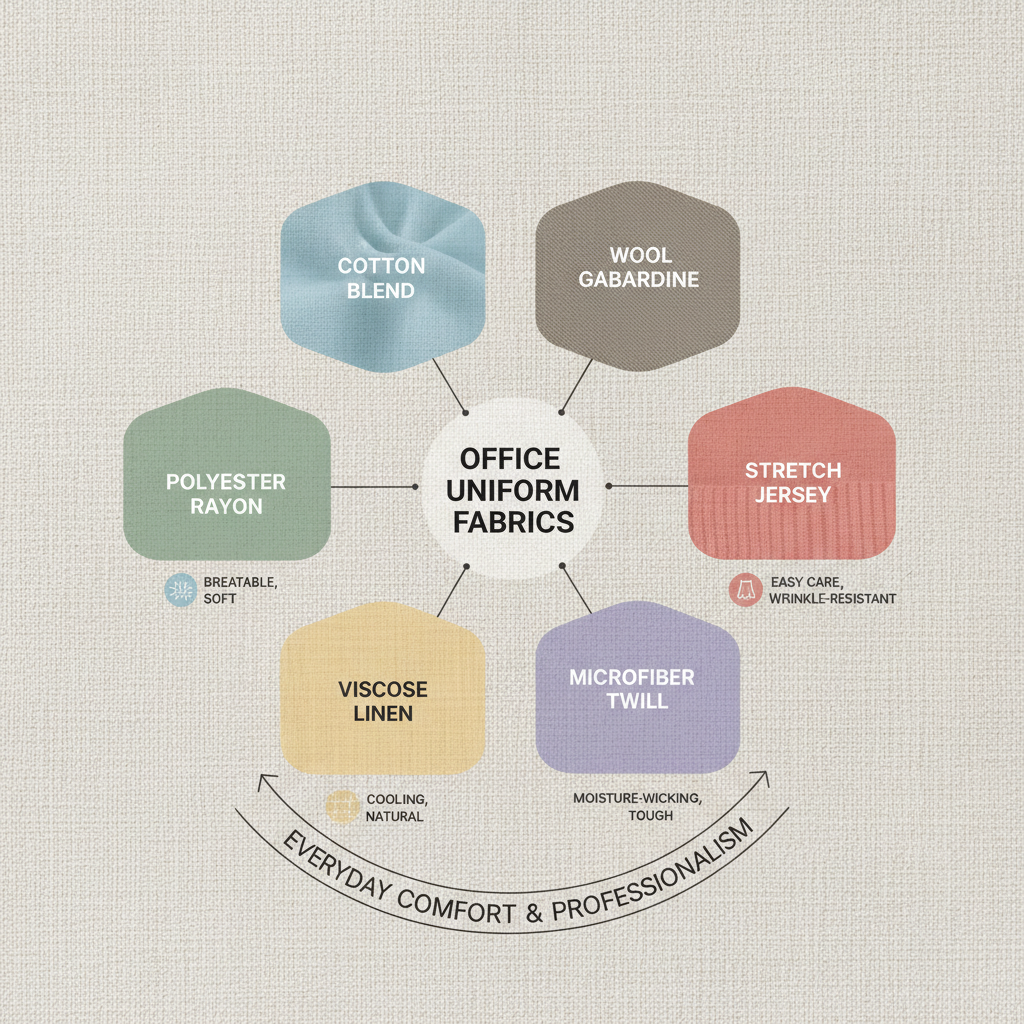
Choosing the right fabric for office uniforms is crucial for comfort, professionalism, and durability. The fabric impacts everything from how the uniform looks and feels to its maintenance requirements and overall cost. This article provides a detailed overview of the most popular fabric types for office uniforms, helping you make an informed decision for your business. From classic materials like cotton and polyester to more modern blends, we’ll explore the pros and cons of each option to ensure you select the ideal fabric for your specific needs and budget.
Cotton: The Classic Choice
Cotton remains a popular choice for office uniforms due to its comfort and breathability. It’s a natural fiber, making it soft against the skin and ideal for warmer climates. Cotton is also relatively inexpensive, making it a budget-friendly option. However, cotton wrinkles easily and can shrink after washing. It also doesn't offer the same level of durability or stain resistance as synthetic fabrics. Consider the work environment; cotton might be best suited for roles where a relaxed, comfortable appearance is prioritized over a consistently pristine look.
Polyester: Durability and Wrinkle Resistance
Polyester is a synthetic fabric known for its durability, wrinkle resistance, and stain resistance. It’s a great choice for uniforms that need to maintain a professional appearance throughout the day. Polyester is also quick-drying and relatively inexpensive. However, it isn't as breathable as cotton and can feel less comfortable, especially in warm weather. It's often blended with other fibers to improve its comfort and performance.
Cotton-Polyester Blends: The Best of Both Worlds
Combining cotton and polyester offers a balance of comfort, durability, and wrinkle resistance. These blends typically range from 65% polyester/35% cotton to 50% polyester/50% cotton. The higher the polyester content, the more wrinkle-resistant and durable the fabric will be. This is arguably the most versatile fabric choice for a wide range of office environments and job functions. The specific ratio of cotton to polyester can be adjusted to prioritize either comfort or durability depending on the intended use.
Twill: A Strong and Durable Option
Twill is a weave pattern that creates a diagonal rib effect. It’s often made from cotton, polyester, or a blend. Twill fabrics are known for their strength, durability, and resistance to wear and tear. They also drape well and have a slightly more formal appearance than plain weave fabrics. This makes twill an excellent choice for uniforms requiring a more polished look, such as those worn by customer-facing employees.
Types of Fabric for Office Uniform: Comparison Chart
Here's a comprehensive comparison of the discussed fabric types:
Considerations Beyond Fabric Type
Beyond the base fabric, consider the weave and finish. A tighter weave will generally result in a more durable and wrinkle-resistant fabric. Finishes like stain repellency can also add value. Finally, think about the colorfastness of the fabric, ensuring it won't fade quickly with washing or exposure to sunlight. Partnering with a reputable textile supplier like Jiexiang Textile can ensure you receive high-quality fabrics that meet your specific requirements.
Conclusion: Choosing the Right Fabric for Your Business
Selecting the appropriate fabric for office uniforms is an investment in your brand image and employee comfort. By carefully considering the factors outlined in this article – comfort, durability, wrinkle resistance, and cost – you can choose a fabric that meets your specific needs and budget. Remember to prioritize quality and partner with a reliable textile supplier to ensure long-lasting and professional-looking uniforms.
Frequently Asked Questions (FAQs)
What is the best fabric for office uniforms in hot climates?
For hot climates, breathable fabrics are essential. Cotton and lightweight cotton-polyester blends (with a higher cotton content) are excellent choices. These fabrics allow air to circulate, keeping employees cool and comfortable. Avoid heavier polyester fabrics as they can trap heat and cause discomfort. Look for fabrics with moisture-wicking properties to further enhance comfort.
How do I ensure the uniform fabric doesn't fade after multiple washes?
To prevent fading, choose fabrics that are colorfast and pre-shrunk. Always follow the washing instructions on the garment label. Washing uniforms inside out in cold water with a mild detergent can help preserve the color. Avoid using bleach, as it can damage the fabric and cause fading. Line drying is preferable to machine drying, as the heat from the dryer can also contribute to fading.
What are the benefits of using sustainable fabrics for office uniforms?
Using sustainable fabrics like organic cotton or recycled polyester demonstrates a commitment to environmental responsibility. These fabrics are produced using eco-friendly processes, reducing the impact on the planet. Sustainable fabrics are also often softer and more comfortable to wear. While they may be slightly more expensive upfront, they can enhance your company's brand image and appeal to environmentally conscious customers and employees.
Where can I source high-quality fabrics for office uniforms?
Jiexiang Textile offers a wide range of high-quality fabrics suitable for office uniforms. We specialize in providing durable, comfortable, and cost-effective solutions for businesses of all sizes. Our experienced team can assist you in selecting the perfect fabric for your specific needs and provide samples for evaluation. We pride ourselves on delivering exceptional customer service and competitive pricing.
-
Guide to Finding the Best Premium cotton suit material onlineNewsApr.16,2026
-
Premium White Cotton Fabric Wholesale Guide for BusinessesNewsApr.09,2026
-
Discover Premium Cotton Curtain Fabric Online for Beautiful HomesNewsApr.07,2026
-
Understanding Uniform Type of Fabric for Global Trade and Quality AssuranceNewsMar.31,2026
-
Comprehensive Guide to Different Types of Tela for Uniform SelectionNewsMar.28,2026
-
Comprehensive Guide to Selecting the Best Types of Fabric for UniformNewsMar.26,2026
-
Choosing the Right Type of Fabric for Uniforms A Comprehensive GuideNewsMar.21,2026