
Understanding Uniform Type of Fabric for Global Trade and Quality Assurance
Understanding Uniform Type of Fabric for Global Trade
In the world of textile sourcing and international commerce, understanding the nuances of fabric types is paramount. Choosing the right uniform type of fabric directly impacts product quality, cost-effectiveness, and ultimately, customer satisfaction. This article will delve into the key considerations when selecting fabrics for uniform applications, focusing on aspects relevant to cross-border trade and meeting global standards. We will explore different fabric compositions, their properties, and the factors influencing their suitability for various industries.

Key Fabric Compositions for Uniforms
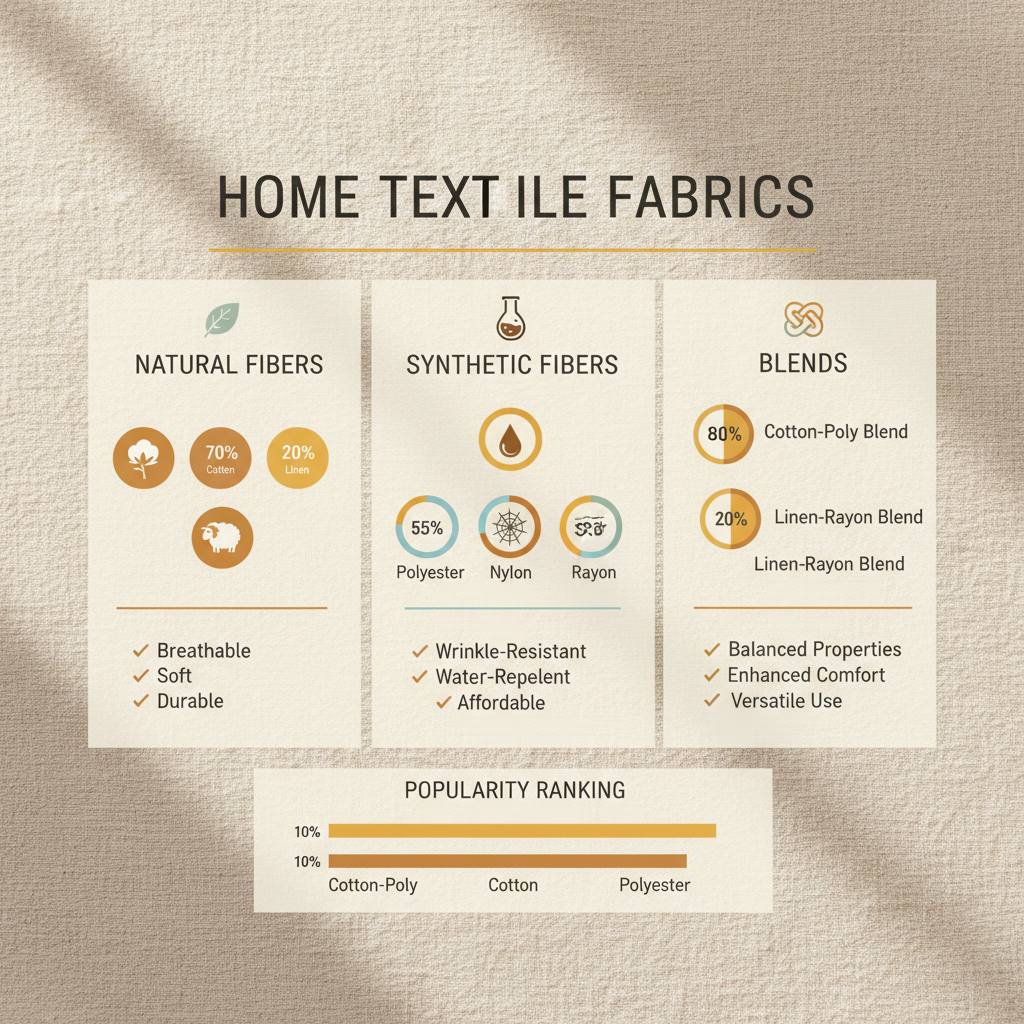
Several fabric compositions are commonly used for uniform production. These include cotton, polyester, blends of cotton and polyester, and specialized fabrics like ripstop nylon. Cotton offers breathability and comfort but is prone to wrinkling and shrinkage. Polyester is durable, wrinkle-resistant, and quick-drying, making it ideal for workwear. Cotton-polyester blends combine the benefits of both fibers, offering a balance of comfort and practicality. Selecting the best composition depends on the specific requirements of the uniform, the climate it will be worn in, and the intended use. For instance, healthcare uniforms often prioritize comfort and breathability, favoring higher cotton content, while industrial uniforms prioritize durability and stain resistance, leaning towards polyester.
Key Takeaway: The optimal fabric choice depends on balancing cost, comfort, durability, and specific performance requirements.
Understanding Fabric Weight and Construction
Beyond the fiber composition, fabric weight (measured in ounces per square yard or grams per square meter) and construction significantly influence a uniform's performance. Heavier fabrics offer greater durability but can be less comfortable in warm climates. Common fabric weaves include plain weave, twill weave, and ripstop weave. Plain weave is the simplest and most common, while twill weave offers a diagonal rib pattern and enhanced durability. Ripstop weave incorporates a reinforcing grid pattern, making the fabric resistant to tearing. When sourcing uniform type of fabric, specifying these details is crucial for ensuring consistent quality and meeting specific performance expectations.
Fabric Characteristics:
• Weight: Impacts durability and comfort.
• Weave: Influences strength, texture, and appearance.
• Construction: Determines tear resistance and overall performance.
A Comparison of Popular Uniform Fabrics
Choosing the right fabric involves weighing the pros and cons of each option. Here’s a comparison table highlighting key characteristics of common uniform fabrics:
Quality Control and Compliance in Cross-Border Trade
When importing or exporting uniforms, adhering to international quality standards is essential. Look for fabrics certified by organizations like OEKO-TEX® Standard 100, which ensures textiles are free from harmful substances. Compliance with regulations like REACH (Registration, Evaluation, Authorisation and Restriction of Chemicals) in Europe is also crucial. Partnering with a reputable supplier like Jiexiang Textile, who prioritize quality control and compliance, can minimize risks and ensure smooth transactions. Thorough inspection and testing of fabrics before mass production are also vital steps in the process.
Conclusion: Choosing the Right Uniform Fabric for Success
Selecting the appropriate uniform type of fabric is a critical decision for businesses operating in the global marketplace. By understanding fabric compositions, weights, and construction methods, and by prioritizing quality control and compliance, you can ensure you’re sourcing materials that meet your specific needs and maintain a competitive edge. Working with a trusted supplier dedicated to providing high-quality, compliant fabrics is key to achieving success in cross-border trade.
Frequently Asked Questions (FAQs)
What are the key considerations when importing uniform fabrics?
When importing uniform fabrics, several factors are critical. First, ensure the fabric meets all relevant safety standards and regulations in your target market (e.g., REACH in Europe, CPSIA in the US). Second, thoroughly vet your supplier to confirm their commitment to quality control and ethical sourcing. Third, understand import duties, taxes, and potential trade barriers. Finally, consider shipping costs and lead times to ensure timely delivery. Careful planning and due diligence can mitigate risks and ensure a successful import process.
How can I ensure the color consistency of fabrics across different production runs?
Maintaining color consistency requires meticulous attention to detail. Request a lab dip (a small sample of fabric dyed to the desired color) from your supplier before each production run. Compare the lab dip to a master color standard to ensure a perfect match. Also, specify the dyeing process and the dye lot number to track the color throughout production. Regular quality control checks during manufacturing are also essential to identify and address any color variations promptly.
What is the importance of fabric shrinkage testing?
Fabric shrinkage testing is crucial for ensuring the longevity and fit of uniforms. Different fabrics shrink at varying rates after washing or cleaning. Testing allows you to determine the shrinkage percentage and adjust the pattern accordingly during the cutting process. This prevents the finished uniforms from becoming too small after the first wash. Shrinkage testing should be conducted according to industry standards to ensure accurate and reliable results.
What are the benefits of using sustainable fabrics for uniforms?
Using sustainable fabrics like organic cotton, recycled polyester, or bamboo offers several benefits. It reduces the environmental impact of textile production, conserves resources, and supports ethical labor practices. Sustainable fabrics are often softer and more comfortable to wear. Increasingly, consumers are demanding eco-friendly products, making sustainable uniforms a valuable marketing tool and enhancing your brand’s reputation. At Jiexiang Textile, we offer a selection of sustainable fabric options.
-
Guide to Finding the Best Premium cotton suit material onlineNewsApr.16,2026
-
Premium White Cotton Fabric Wholesale Guide for BusinessesNewsApr.09,2026
-
Discover Premium Cotton Curtain Fabric Online for Beautiful HomesNewsApr.07,2026
-
Comprehensive Guide to Different Types of Tela for Uniform SelectionNewsMar.28,2026
-
Comprehensive Guide to Selecting the Best Types of Fabric for UniformNewsMar.26,2026
-
Comprehensive Guide to Selecting the Best Types of Fabric for Office UniformNewsMar.24,2026
-
Choosing the Right Type of Fabric for Uniforms A Comprehensive GuideNewsMar.21,2026