
Comprehensive Guide to Selecting the Best Types of Fabric for Uniform
Choosing the Right Fabric for Uniforms: A Comprehensive Guide
Selecting the appropriate fabric for uniforms is crucial for both comfort and professional appearance. The best choice depends on the industry, work environment, and desired functionality. This article explores various types of fabric for uniform, detailing their characteristics, benefits, and ideal applications. We'll delve into the pros and cons of each material to help you make an informed decision. Understanding fabric properties like durability, breathability, and ease of care is essential for long-lasting and effective uniforms.

Understanding Common Uniform Fabrics
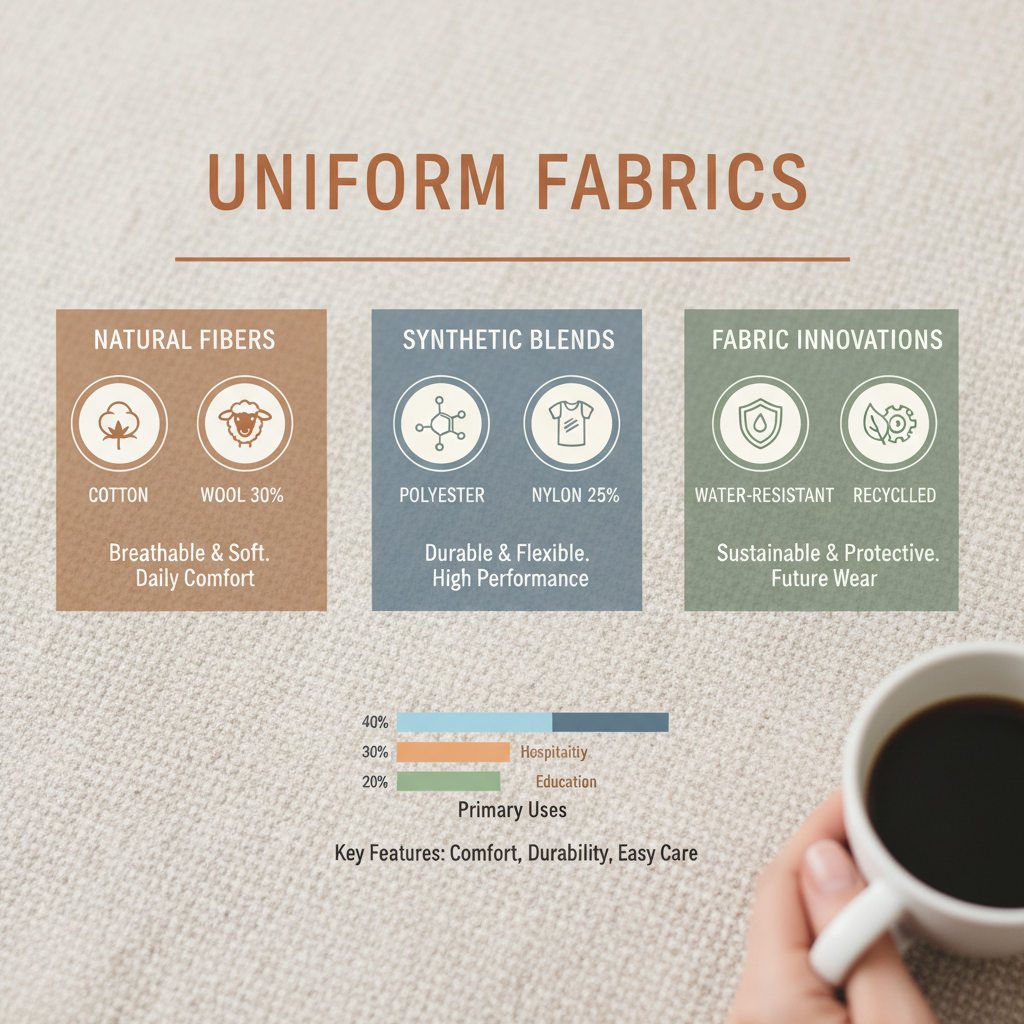
Numerous fabrics can be used for uniforms, each with unique properties. Some of the most common include cotton, polyester, blends, linen, rayon, and wool. Cotton is favored for its comfort and breathability, making it suitable for warmer climates and everyday wear. Polyester is known for its durability, wrinkle resistance, and affordability. Blends combine the best qualities of different fibers, offering a balance of comfort, durability, and ease of care. Choosing the right fabric requires careful consideration of the specific needs of the job.
Key Consideration: The chosen fabric should align with the industry’s safety regulations and provide adequate protection against potential hazards.
A Deep Dive into Types of Fabric for Uniform
Let's explore some specific fabric options in more detail. We’ll cover their characteristics, strengths, and weaknesses to help you determine the best fit for your uniform requirements. This section will also highlight the ideal industries for each fabric type.
Fabric Spotlight: Cotton
• Comfortable and breathable
• Absorbent and soft
• Prone to wrinkling and shrinking
• Ideal for: Hospitality, healthcare (certain roles), office environments
Polyester vs. Cotton: A Detailed Comparison
Polyester and cotton are two of the most popular fabric choices for uniforms. While both have their advantages, they differ significantly in their properties. Polyester is a synthetic fiber known for its durability, wrinkle resistance, and water resistance. Cotton, on the other hand, is a natural fiber prized for its comfort, breathability, and softness. The choice between the two depends on the specific needs of the uniform.
Fabric Blends: The Best of Both Worlds
Fabric blends combine the strengths of different fibers, resulting in a more versatile and functional uniform. A popular blend is poly-cotton (polyester and cotton), which offers the comfort of cotton with the durability and wrinkle resistance of polyester. Other blends include cotton-polyester-rayon, which provides enhanced drape and softness. These blends are often ideal for a wide range of industries and work environments.
Specialty Fabrics for Specific Needs
Certain industries require specialized fabrics with specific properties. For example, healthcare uniforms often utilize antimicrobial fabrics to prevent the spread of bacteria. Fire-resistant fabrics are essential for industries like oil and gas, and welding. Waterproof and breathable fabrics are crucial for outdoor work in inclement weather. These specialty fabrics enhance safety and provide optimal protection in challenging environments. You can find a wide range of specialty fabrics at Jiexiang Textile.
Conclusion: Choosing the Right Fabric for Optimal Performance
Selecting the ideal types of fabric for uniform requires careful consideration of the work environment, safety requirements, and desired comfort level. By understanding the properties of different fabrics and blends, you can make an informed decision that enhances employee performance and safety. Don't compromise on quality—invest in uniforms that provide both durability and comfort.
Frequently Asked Questions (FAQs)
What is the best fabric for hot weather uniforms?
For hot weather uniforms, lightweight and breathable fabrics are essential. Cotton and linen are excellent choices due to their natural breathability. Moisture-wicking polyester blends can also be effective, as they draw sweat away from the body, keeping workers cool and comfortable. Avoid heavy or tightly woven fabrics that trap heat. A lighter color will also help reflect sunlight and keep the wearer cooler. The goal is to promote airflow and minimize heat retention.
How do I care for uniforms made from different fabrics?
Care instructions vary depending on the fabric. Cotton uniforms generally require regular washing and may shrink if dried on high heat. Polyester is more durable and wrinkle-resistant, often requiring less frequent washing. Always check the care label on the uniform for specific instructions. Avoid harsh detergents and bleach, which can damage the fabric. Proper care ensures the longevity and appearance of your uniforms.
Are blended fabrics more durable than single-fiber fabrics?
Often, yes. Blended fabrics can offer superior durability compared to single-fiber fabrics. For example, a poly-cotton blend combines the strength of polyester with the comfort of cotton, resulting in a fabric that is both durable and comfortable. The blend can also minimize the drawbacks of each individual fiber, creating a more well-rounded and long-lasting material. However, durability also depends on the quality of the fibers used and the weave of the fabric.
What are antimicrobial fabrics and why are they used in uniforms?
Antimicrobial fabrics are treated with agents that inhibit the growth of bacteria and other microorganisms. They are commonly used in healthcare and food service uniforms to prevent the spread of infection and maintain hygiene. These fabrics help reduce odors and keep uniforms fresher for longer. While they don't eliminate all bacteria, they significantly reduce the risk of contamination and enhance safety in sensitive environments.
-
Guide to Finding the Best Premium cotton suit material onlineNewsApr.16,2026
-
Premium White Cotton Fabric Wholesale Guide for BusinessesNewsApr.09,2026
-
Discover Premium Cotton Curtain Fabric Online for Beautiful HomesNewsApr.07,2026
-
Understanding Uniform Type of Fabric for Global Trade and Quality AssuranceNewsMar.31,2026
-
Comprehensive Guide to Different Types of Tela for Uniform SelectionNewsMar.28,2026
-
Comprehensive Guide to Selecting the Best Types of Fabric for Office UniformNewsMar.24,2026
-
Choosing the Right Type of Fabric for Uniforms A Comprehensive GuideNewsMar.21,2026