
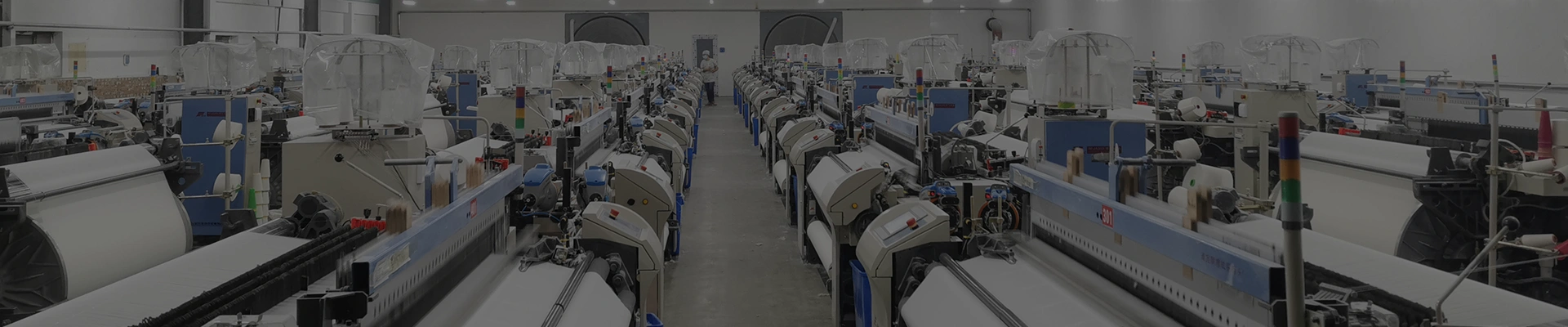
Suiting Shirting Fabric Online: Expert Tips & Vendor Insights
Choosing the Right suiting shirting Fabric Online: Insights From the Field
Having worked in the industrial textiles sector for over a decade, I can tell you that buying suiting shirting online isn’t just about picking a pretty pattern or the cheapest price (though those do matter sometimes). Frankly, it’s much more nuanced. The fabric’s weave, fiber content, durability, and even how it reacts to laundering — all of these can make or break a project, no matter if you’re producing tailored suiting or crisp shirts.
Oddly enough, the industrial side of sourcing shirting fabrics often feels like a well-kept secret outside our circles. There’s so much variety and technology involved, from synthetic blends to natural yarns, and each supplier touts their own “best in class” stuff. You do see plenty of woven cotton-polyester blends marketed as suiting shirting fabrics, but it’s the finer points, like thread count and finishing processes, that truly distinguish a premium fabric from a basic roll.
One thing I’ve noticed while browsing suppliers is the emphasis on customization options — colors, weights, finishes. It’s a growing trend because end users demand not only quality but also specific performance attributes. For example, wrinkle resistance and breathability often top the specs list for suiting shirting fabrics used in corporate uniforms or high-end ready-to-wear clothing lines.
A Quick Look at Typical Suiting Shirting Fabric Specs
| Specification | Typical Value | Remarks |
|---|---|---|
| Material Composition | 65% Polyester / 35% Cotton | Common blend balancing durability & comfort |
| Weight | 120 gsm (grams per square meter) | Light to medium weight ideal for shirting |
| Weave | Twill or plain weave | Twill offers durability, plain weave breathability |
| Thread Count | 80x80 to 120x60 | Higher counts correlate with smoother texture |
| Finish | Mercerized or wrinkle-resistant | Enhances sheen, color fastness, and smooth handling |
You know, another critical factor I keep hammering home with clients is the importance of testing. Even the best specs on paper can fall short if the fabric hasn't been put through its paces — shrinkage, colorfastness, tensile strength, to name a few. One memorable project involved a mid-sized manufacturer who switched to a new supplier mid-season. What they didn’t realize was a subtle difference in finish that caused unwanted pilling after only a few washes. Lesson learned: always request samples and testing data before committing to bulk orders.
Comparing Top Online Suiting Shirting Vendors
| Vendor | Fabric Variety | Customization Options | Pricing | Lead Times |
|---|---|---|---|---|
| Jiexiang Textile | Extensive, incl. blends & finishes | Colors, weights, special finishes | Competitive for volume orders | 3-4 weeks typical |
| Global Fabrics Inc. | Moderate, mainly cotton blends | Limited customization | Mid-range | 2-3 weeks |
| TexElite Suppliers | Wide selection of synthetic blends | Good customization but higher cost | Premium | 4-5 weeks |
In real terms, I often advise that developing a good relationship with your fabric supplier can pay dividends. You start to get insights into lead times, hidden costs, or upcoming fabric innovations that aren’t advertised widely yet. And as much as we all want instant gratification, high-quality suiting shirting fabric takes time to produce and ship. Patience usually leads to better outcomes—and fewer headaches down the production line.
One last anecdote: A customer I worked with a couple years back was preparing a uniform line for a hospitality chain. They insisted on a wrinkle-resistant weft-knit shirting fabric to keep maintenance low. After extensive sampling with our chosen vendor (yes, Jiexiang Textile included), they landed on a polyester-rich blend that looked sharp, felt comfortable, and survived endless washing without complaint. It was one of those moments when the right fabric choice really paid off — less ironing, happier staff, and repeat orders.
So, next time you’re browsing for suiting shirting fabrics online, remind yourself it’s not just about how it looks on screen. Dig deeper—ask questions about specs, request samples, and lean on suppliers who stand behind their products. You’ll thank yourself when the final garment fits perfectly and wears well.
In the end, quality and service in industrial textile sourcing always speak louder than a flashy website or the lowest price tag.
Sources for this article include trade journals, fabric spec sheets, and over a decade of field experience in industrial fabric procurement.
References:
- Industry Fabric Standards Manual (Textile Trade Group, 2023)
- “Suiting & Shirting: Trends and Technology,” Textile World Journal, 2022
- Personal notes and project logs, 2012–2023
-
Guide to Finding the Best Premium cotton suit material onlineNewsApr.16,2026
-
Premium White Cotton Fabric Wholesale Guide for BusinessesNewsApr.09,2026
-
Discover Premium Cotton Curtain Fabric Online for Beautiful HomesNewsApr.07,2026
-
Understanding Uniform Type of Fabric for Global Trade and Quality AssuranceNewsMar.31,2026
-
Comprehensive Guide to Different Types of Tela for Uniform SelectionNewsMar.28,2026
-
Comprehensive Guide to Selecting the Best Types of Fabric for UniformNewsMar.26,2026
-
Comprehensive Guide to Selecting the Best Types of Fabric for Office UniformNewsMar.24,2026