
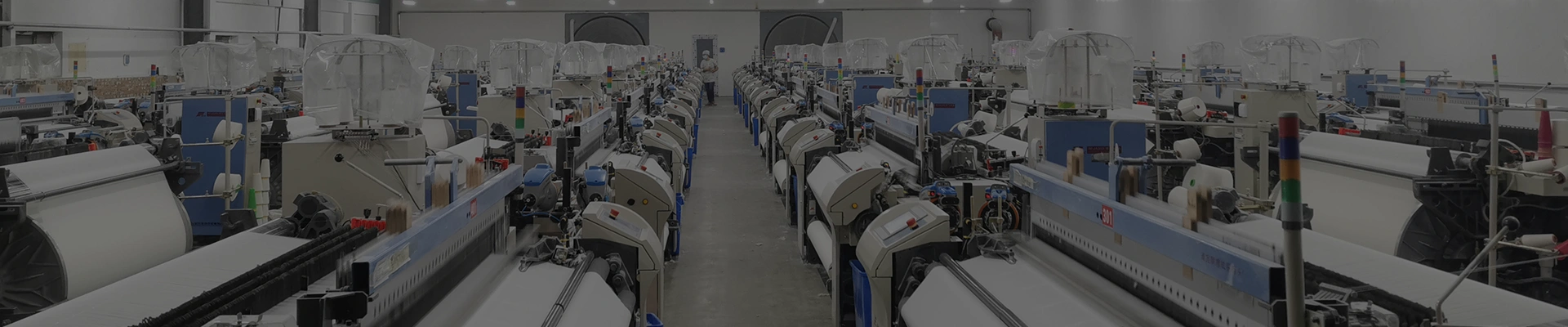
Poly Cotton Fibre: Durable Blend for Industrial Textile Solutions
Why Poly Cotton Fibre Remains a Go-To for Industrial Textiles
Having spent quite a few years tooling around factories and warehouses, I’ve seen my fair share of fabric choices for workwear, upholstery, and other hard-wearing applications. One material that consistently pops up—and rarely disappoints—is poly cotton fibre. It strikes this almost magical balance between durability, breathability, and cost that engineers and end users alike appreciate.
Honestly, when you first get familiar with it, it feels like just another blend. But poly cotton packs a punch: combining the strength and wrinkle resistance of polyester with the softness and absorbency of cotton. In environments like construction sites, logistics hubs, or even a bustling factory floor, that combo means clothing and fabrics that last longer and often perform better than pure cotton or polyester.
What Sets Poly Cotton Fibre Apart in Textile Applications?
It’s not just about comfort. Poly cotton is also easier to maintain—less shrinking and creasing, better color retention, and it withstands industrial laundering cycles without falling apart. Many engineers say it’s the “workhorse” fabric for a reason. Plus, it’s fairly adaptable: you can tweak the cotton-to-poly ratio depending on your needs. I recall a client who required a 65/35 poly cotton for uniforms that needed to look sharp but handle tough daily wear and tear.
In real terms, poly cotton fibre also tends to be a more sustainable option than fully synthetic alternatives, especially if you value fabric longevity over fast fashion disposability—something rarely talked about but worth considering when ordering bulk textile.
Poly Cotton Fibre Product Specifications
| Specification | Details |
|---|---|
| Typical Composition | 65% Polyester / 35% Cotton (varies) |
| Weave Types | Twill, Poplin, Oxford |
| Weight | 130 - 230 gsm (grams per square meter) |
| Color Fastness | Good resistance to washing and light exposure |
| Shrinkage | Minimal (under 3%) after industrial wash |
| Applications | Uniforms, upholstery, workwear, bags, curtains |
Choosing the Right Supplier for Poly Cotton Fibre
Funny enough, not all suppliers cut the same cloth—literally. I’ve worked with several vendors over the years and noticed varying fabric qualities even when specs read identically on paper. Sometimes timelines and custom order flexibility make or break a project.
| Supplier | Fabric Quality | Customization | Price | Lead Time |
|---|---|---|---|---|
| Jiexiang Textile | High consistency | Excellent (varied blends) | Competitive | 4–6 weeks |
| Supplier B | Medium (some inconsistency) | Limited options | Lower | 6–8 weeks |
| Supplier C | High | Good (standard blends) | Higher | 3–5 weeks |
In my experience, it’s worth having a chat with suppliers like Jiexiang Textile before committing. Their ability to tailor polyester-cotton ratios — plus their reliable delivery — is something I’ve come to rely on when precision and timing matter most.
One recent project I was involved with required a very specific poly cotton blend for outdoor worker uniforms, where fabric breathability and durability were equally critical. After a few prototypes and fabric tests, the final batches came through perfectly — minimal shrinkage, great colorfastness, and solid overall toughness. It might not sound thrilling, but if you’ve ever had a uniform fall apart mid-shift, you know the value of getting fabric right.
So yeah, if you’re asking about a fabric that holds its ground, feels comfortable, and plays well technically on all the fronts—poly cotton fibre (and navigating the options wisely) deserve a close look.
— From someone who’s seen a lot of textiles come and go...
References & Thoughts
- Jiexiang Textile official site – product details and customization options
- Industry reviews on fabric performance and durability
- Conversations with manufacturing and safety uniform teams
-
Guide to Finding the Best Premium cotton suit material onlineNewsApr.16,2026
-
Premium White Cotton Fabric Wholesale Guide for BusinessesNewsApr.09,2026
-
Discover Premium Cotton Curtain Fabric Online for Beautiful HomesNewsApr.07,2026
-
Understanding Uniform Type of Fabric for Global Trade and Quality AssuranceNewsMar.31,2026
-
Comprehensive Guide to Different Types of Tela for Uniform SelectionNewsMar.28,2026
-
Comprehensive Guide to Selecting the Best Types of Fabric for UniformNewsMar.26,2026
-
Comprehensive Guide to Selecting the Best Types of Fabric for Office UniformNewsMar.24,2026