
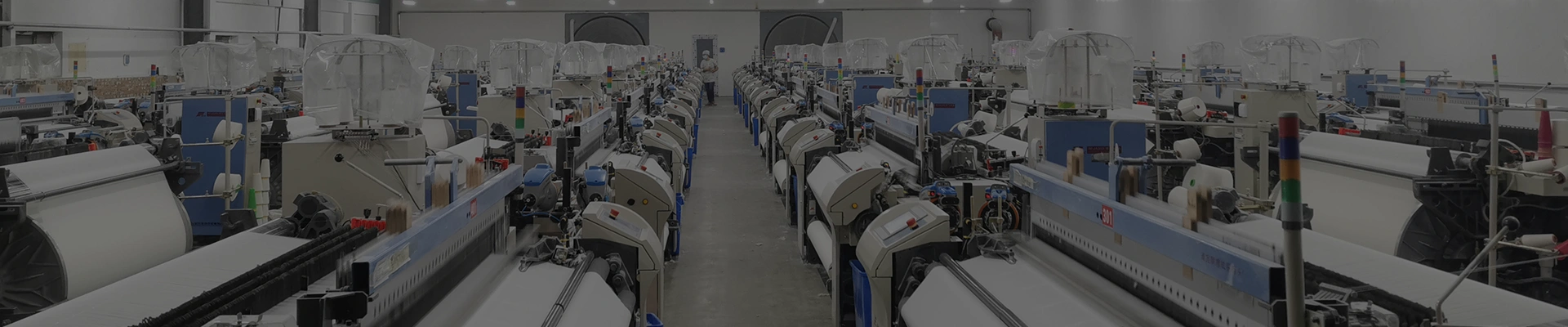
Shirt Textile: Global Insights, Benefits & Future Trends
Understanding Shirt Textile: The Fabric at the Heart of Apparel
When you think about the clothes you wear daily, it’s easy to overlook what goes into them. Shirt textile — the essence of these garments — plays a surprisingly huge role in industries ranging from fashion to humanitarian aid. Globally, the demand for quality shirt textiles is soaring due to population growth, changing climate needs, and fast-evolving manufacturing technologies. Frankly, understanding this topic is more important than ever since these fabrics are not just about style; they’re about sustainability, comfort, and even safety.
Introduction: Why Shirt Textile Matters Globally
Here’s a bit of context that might surprise you: the global textile market is projected to exceed $2.25 trillion by 2028, and shirt textiles form a considerable chunk of that. From industrial hubs in South Asia to eco-conscious factories in Europe, shirt textile production drives economies and impacts millions of livelihoods. According to the United Nations Industrial Development Organization (UNIDO), textiles account for nearly 7% of total global exports, underscoring their importance.
Yet, there’s a pressing challenge — balancing mass production with environmental and social responsibility. Water usage, chemical treatments, and labor conditions often raise concerns. That’s where innovations in shirt textile design come to the rescue, offering solutions aligned with green manufacturing and ethical sourcing.
What Is Shirt Textile? A Simple Definition
Shirt textile refers to fabrics specifically engineered or used for making shirts, blouses, and similar apparel. These textiles vary widely — cotton, linen, polyester blends, and even bamboo fibers — each with distinct qualities like breathability, stretch, and durability. In modern industry, shirt textile not only means a fabric but a carefully designed product that balances aesthetics with function and sustainability.
Oddly enough, shirt textiles also find their way into humanitarian fields. Think of disaster relief, where quick-drying, durable, and lightweight clothes made from specialized shirt textile improve comfort and hygiene for displaced families.
Key Aspects of Shirt Textile
1. Durability
Durability isn’t just about lasting wear; it’s about retaining shape and color through multiple washes and conditions. High-quality shirt textiles undergo rigorous stress tests — like abrasion and tensile strength — to ensure longevity.
2. Breathability & Moisture Management
A breathable fabric wicks moisture away from the skin, which is essential in warm climates and active lifestyles. Materials like cotton or specially treated synthetics allow for airflow, keeping the wearer comfortable and reducing odors.
3. Cost Efficiency
Cost plays a defining role: the textile must be affordable enough for large-scale manufacturing while maintaining quality standards. Innovations like blended fibers often strike this balance.
4. Sustainability
Nowadays, sustainability is a core pillar. Shirt textiles made from organic cotton or recycled materials reduce environmental impact. Certifications like ISO 14001 boost trustworthiness for eco-conscious buyers.
5. Scalability & Supply Chain
Global demand requires scalability, so production processes must be optimized. Seamless logistics and supplier diversity help brands manage risk and keep costs down.
Product Specifications Table: Typical Shirt Textile Types
| Fabric Type | Material Composition | Key Features | Typical Use |
|---|---|---|---|
| Cotton Poplin | 100% Cotton | Soft, breathable & crisp | Formal shirts, uniforms |
| Polyester Blend | 60% Polyester / 40% Cotton | Wrinkle-resistant, durable | Workwear, casual shirts |
| Linen | 100% Flax Fiber | Lightweight, cooling | Summer wear, luxury shirts |
| Bamboo Fiber | Regenerated Bamboo | Soft, antimicrobial, eco-friendly | Casual, eco-conscious brands |
Global Applications & Use Cases
Shirt textile’s impact spans several sectors and continents. In South Asia, for example, it remains a backbone of the textiles manufacturing industry, employing millions in Pakistan, Bangladesh, and India. In Europe and North America, the focus shifts toward sustainable and high-performance textiles for fashion and outdoor sectors.
Humanitarian aid organizations often require quick-to-produce, durable, and hygienic shirt textiles for displaced people or disaster relief workers. For instance, after the 2010 Haiti earthquake, lightweight moisture-wicking fabrics were essential in relief garments.
And it’s not just clothing — these textiles sometimes help create protective gear or uniforms for industrial workers in remote regions, too. It’s pretty fascinating how one material can serve so many purposes.
Vendor Comparison Table: Shirt Textile Suppliers
| Vendor | Material Range | Sustainability | Lead Time | Price Level |
|---|---|---|---|---|
| Jiexiang Textile | Cotton, Polyester, Bamboo | ISO 14001 certified; organic options | 2–4 weeks | Competitive |
| Global Textiles Co. | Cotton, Linen | Limited organic options | 3–6 weeks | Moderate |
| EcoWeave Ltd. | Recycled Polyester, Bamboo | Highly sustainable; zero waste goals | 4–6 weeks | Premium |
Advantages & Long-Term Value of Shirt Textile
Shirt textiles today bring a lot more than just basic fabric. They offer cost savings via longer garment life, reduce environmental impact through sustainable materials, and support fair labor through transparent sourcing. There’s even an emotional value — a trusted shirt textile brand conveys comfort and dignity, which frankly, sometimes gets overlooked in industrial discussions.
Trust in sustainable shirt textiles has increased as consumers become more informed, and businesses have stepped up innovation. That cycle fuels more investment in greener materials and drives the entire textile industry forward in a meaningful way.
Future Trends & Innovations in Shirt Textile
The future? It’s digital, green, and smart. Expect shirt textiles embedded with nanotech for stain resistance, or fabrics produced using green energy-powered factories. Automation and AI-driven weaving techniques promise unprecedented quality and customization, while strict new policies push for circular economies — where shirts and fabrics are fully recyclable.
Challenges & Solutions
However, challenges remain: cost barriers for small producers, persistent pollution from dyeing, and supply chain transparency issues pose hurdles. Industry experts suggest collaborative approaches — pooling resources for technology upgrades — plus stronger regulation and consumer education as vital.
FAQ: Frequently Asked Questions About Shirt Textile
- Q: What makes a good shirt textile stand out?
A: The best shirt textiles balance comfort, durability, and sustainability. Breathability and ease of care matter too, especially for everyday wear. - Q: How do sustainable fabrics compare price-wise?
A: They can be slightly more expensive upfront but often save money over time due to durability and lower environmental cleanup costs. - Q: Can shirt textiles be tailored for extreme weather?
A: Absolutely — innovations like moisture-wicking polyester blends or insulating wool-like fibers address varying climate needs. - Q: Are recycled materials reliable for shirts?
A: Yes, recycled polyester and bamboo fibers are increasingly used and tested to meet durability standards comparable to virgin fibers. - Q: How do I ensure ethical sourcing in shirt textiles?
A: Look for certifications like Fair Trade, OEKO-TEX, or ISO standards, and ask vendors for transparency reports.
Conclusion
In sum, shirt textile is far more than just fabric — it’s a dynamic part of a global industry that intersects with economy, environment, and even human dignity. For businesses, understanding shirt textile helps optimize quality and sustainability, while consumers gain better products with less environmental cost. If you’d like to explore high-quality and eco-friendly options, visit our website: shirt textile.
Sometimes, it feels like a shirt textile tells a story — of cultures, technologies, and hopes woven together.
References
-
Guide to Finding the Best Premium cotton suit material onlineNewsApr.16,2026
-
Premium White Cotton Fabric Wholesale Guide for BusinessesNewsApr.09,2026
-
Discover Premium Cotton Curtain Fabric Online for Beautiful HomesNewsApr.07,2026
-
Understanding Uniform Type of Fabric for Global Trade and Quality AssuranceNewsMar.31,2026
-
Comprehensive Guide to Different Types of Tela for Uniform SelectionNewsMar.28,2026
-
Comprehensive Guide to Selecting the Best Types of Fabric for UniformNewsMar.26,2026
-
Comprehensive Guide to Selecting the Best Types of Fabric for Office UniformNewsMar.24,2026