
Understanding the Versatility of Stretchable Shirt Material for Modern Apparel
Understanding Stretchable Shirt Material: A Comprehensive Guide
In the world of apparel, the comfort and functionality of fabrics are paramount. Stretchable shirt material is gaining significant popularity due to its adaptability and enhanced wearability. This article dives deep into the characteristics, types, applications, and benefits of stretchable shirt materials, providing insights for both manufacturers and consumers. Whether you’re looking to create athletic wear, everyday casuals, or tailored garments, understanding these materials is crucial for optimal results. Choosing the right stretch fabric can significantly impact the fit, feel, and performance of a shirt.
What Makes a Shirt Material Stretchable?
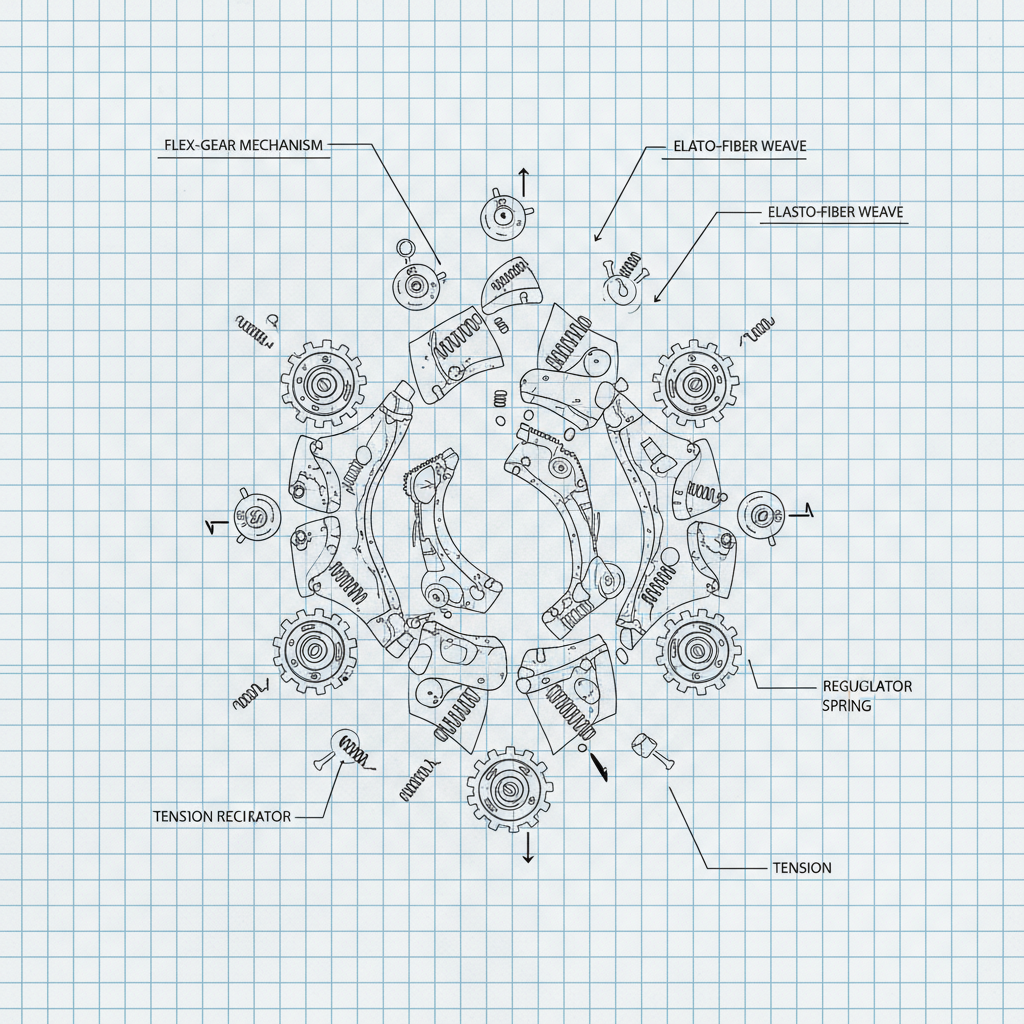
The stretch in shirt materials isn't inherent to all fibers. It's typically achieved through the incorporation of elastic fibers or specific weaving/knitting techniques. The most common elastic fiber used is Spandex (also known as elastane or Lycra). This synthetic fiber can stretch up to 5-6 times its original length and still return to its original shape. The percentage of Spandex in a fabric blend directly impacts its stretchability. Beyond Spandex, the construction of the fabric itself plays a crucial role – knit fabrics, for instance, generally offer more stretch than woven fabrics due to their looped structure.
Key Takeaway: Stretchability is achieved through elastic fibers like Spandex and fabric construction techniques like knitting.
Common Types of Stretchable Shirt Materials
Several different fabric blends utilize stretch fibers to create comfortable and versatile shirt materials. Here are some of the most popular:
- Cotton/Spandex Blend: Offers the breathability and comfort of cotton with added stretch. Ideal for casual wear and t-shirts.
- Polyester/Spandex Blend: Known for its durability, wrinkle resistance, and excellent stretch. Commonly used in athletic wear and performance shirts.
- Rayon/Spandex Blend: Provides a silky-smooth feel with good drape and stretch. Suitable for more sophisticated shirts and blouses.
- Modal/Spandex Blend: Offers exceptional softness, breathability, and stretch. A premium option for comfortable everyday wear.
- Nylon/Spandex Blend: Lightweight, strong, and highly stretchable. Popular for activewear and swimwear.
Stretchable Shirt Material Comparison
Choosing the right stretchable shirt material depends on the intended use and desired characteristics. Here’s a comparative look at some common blends:
Benefits of Using Stretchable Shirt Materials
The advantages of using stretchable fabrics in shirt manufacturing are numerous:
- Enhanced Comfort: The stretch allows for a better fit and freedom of movement.
- Improved Fit: Stretch fabrics contour to the body, offering a more flattering silhouette.
- Increased Durability: Spandex adds strength and resilience, preventing the fabric from losing shape.
- Versatility: Suitable for a wide range of shirt styles, from casual tees to athletic wear.
- Reduced Wrinkling: Some blends, like polyester/Spandex, are naturally wrinkle-resistant.
Applications: Where You'll Find Stretchable Shirt Materials
You’ll find stretchable shirt material in a diverse range of applications, including:
- Activewear: Performance shirts, leggings, and sports bras benefit from the flexibility and moisture-wicking properties.
- Casual Wear: T-shirts, polos, and everyday shirts offer improved comfort and fit.
- Fashion Apparel: Dresses, blouses, and tailored shirts can leverage stretch for a more modern and flattering look.
- Undergarments: Comfort and support are essential, making stretch fabrics ideal for bras, briefs, and shapewear.
Conclusion: The Future of Fabric is Flexible
Stretchable shirt materials represent a significant advancement in apparel technology. Their versatility, comfort, and durability make them an increasingly popular choice for both manufacturers and consumers. As textile technology continues to evolve, we can expect even more innovative stretch fabrics to emerge, pushing the boundaries of comfort and performance. Jiexiang Textile is committed to providing high-quality stretchable fabrics to meet the evolving needs of the apparel industry.
Frequently Asked Questions (FAQs)
What is the best stretchable fabric for workout shirts?
For workout shirts, a polyester/Spandex blend is generally the best choice. Polyester offers excellent moisture-wicking properties, keeping you dry during intense activity, while Spandex provides the necessary stretch for a full range of motion. The ideal ratio is typically around 90% polyester and 10% Spandex. This combination ensures durability, breathability, and exceptional comfort. It's also resistant to abrasion, making it suitable for frequent washing and wear. Jiexiang Textile offers a wide selection of high-performance polyester/Spandex blends ideal for activewear.
How do I care for shirts made with stretchable materials?
Proper care is essential to maintain the stretch and longevity of garments made with stretchable materials. Always check the care label, but generally, machine washing in cold water is recommended. Avoid using harsh detergents or bleach, as these can damage the Spandex fibers. Tumble dry on a low setting or, even better, hang to dry. High heat can degrade the elasticity over time. Ironing is usually not necessary, but if needed, use a low heat setting and avoid ironing directly over any Spandex content.
What’s the difference between Lycra and Spandex?
Lycra and Spandex are often used interchangeably, but technically, Lycra is a brand name for a specific type of Spandex fiber produced by DuPont. Spandex is the generic name for the elastic polyurethane-based fiber. So, all Lycra is Spandex, but not all Spandex is Lycra. Lycra is known for its superior quality and recovery properties. Regardless of the name, the key characteristic is its ability to stretch and return to its original shape.
Are stretchable fabrics breathable?
Breathability varies depending on the base fabric blended with the Spandex. Cotton and Modal blends offer excellent breathability, while Polyester offers moderate breathability but excels in moisture-wicking. The weave or knit construction also impacts breathability - looser weaves tend to be more breathable. When choosing a stretchable fabric for warm-weather wear, consider options with higher cotton or Modal content or look for performance polyesters designed for breathability.
-
Guide to Finding the Best Premium cotton suit material onlineNewsApr.16,2026
-
Premium White Cotton Fabric Wholesale Guide for BusinessesNewsApr.09,2026
-
Discover Premium Cotton Curtain Fabric Online for Beautiful HomesNewsApr.07,2026
-
Understanding Uniform Type of Fabric for Global Trade and Quality AssuranceNewsMar.31,2026
-
Comprehensive Guide to Different Types of Tela for Uniform SelectionNewsMar.28,2026
-
Comprehensive Guide to Selecting the Best Types of Fabric for UniformNewsMar.26,2026
-
Comprehensive Guide to Selecting the Best Types of Fabric for Office UniformNewsMar.24,2026