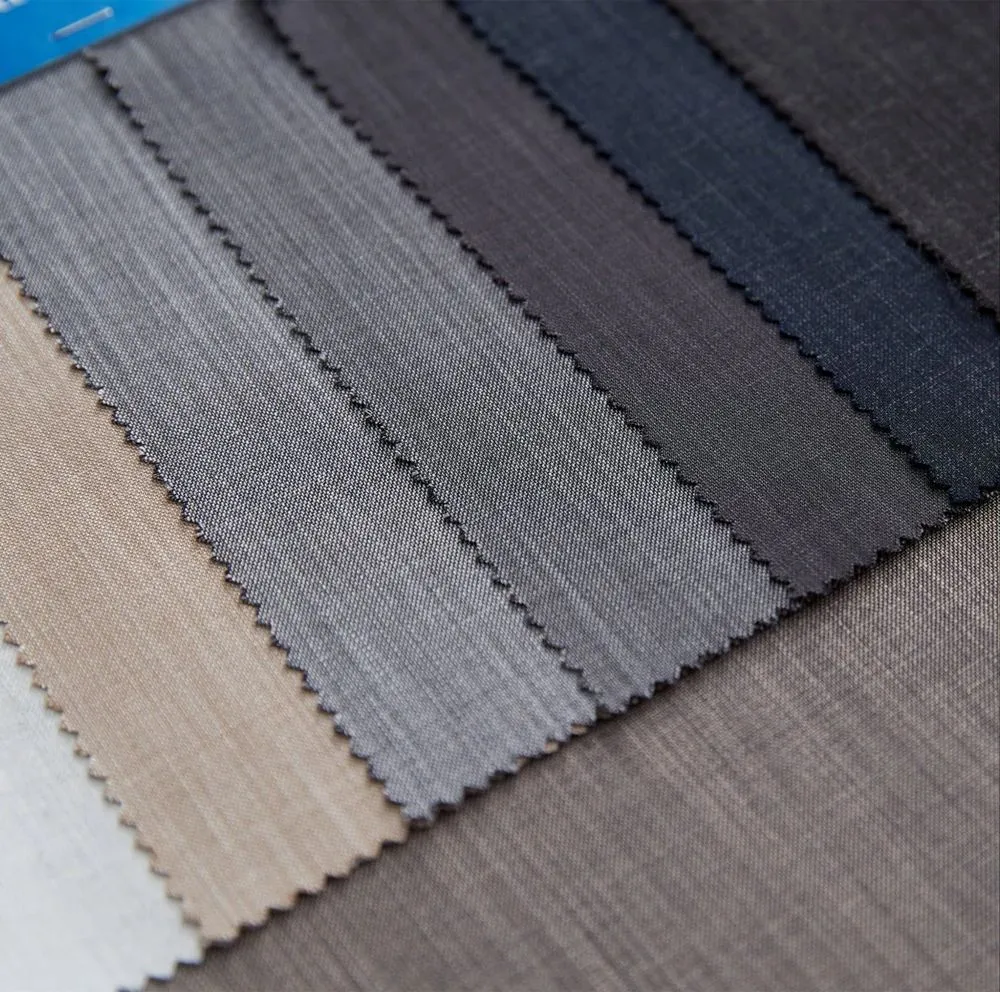


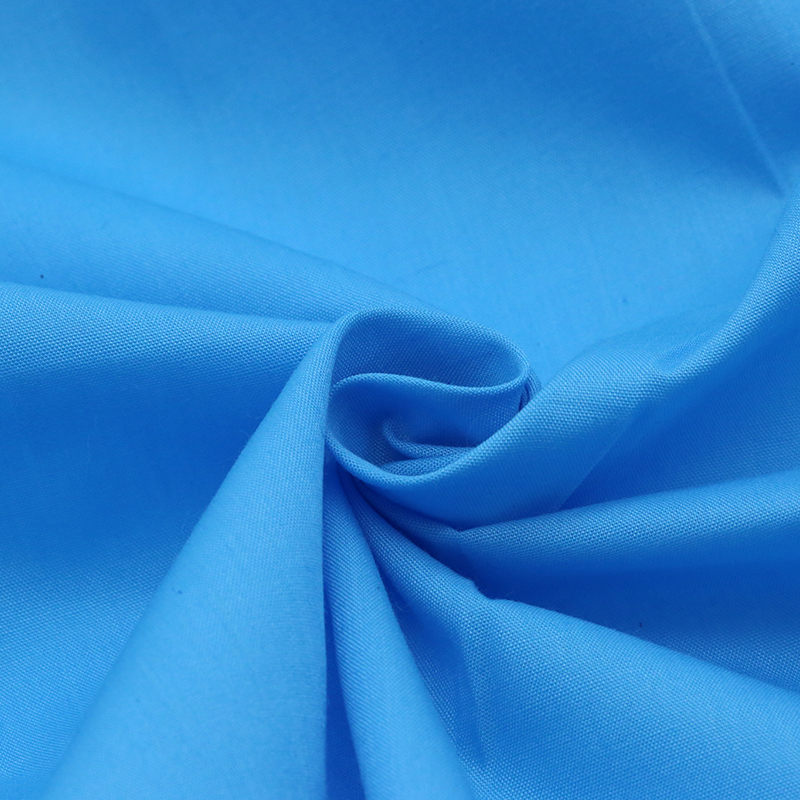
Chile's textile landscape is uniquely shaped by its extreme longitudinal geography, ranging from the arid Atacama in the north to the alpine glaciers in the south. This diversity creates a fragmented demand for plain shirt fabric, where breathable light-weights are needed in the central valleys, while heavier, durable blends are essential for the colder southern regions.
Currently, the industry faces a transition toward high-performance synthetics and blends. There is a growing reliance on cotton spandex to meet the rising demand for "athleisure" and flexible workwear that can withstand the rigorous physical activities of Chile's dominant mining and agricultural sectors.
Economically, Chile serves as a strategic hub for South American trade. However, the local spinning capacity often struggles to keep pace with the demand for specialized polyester wax fabric, leading to an increased preference for high-quality imports that offer superior water resistance and industrial durability.