

Premium cotton spandex Solutions for Ecuador's Textile Industry

High-performance cotton spinning and dyeing solutions tailored for the unique climatic demands of the Ecuadorian market.

Premium cotton spandex Solutions for Ecuador's Textile Industry

Integrating advanced cotton spinning and precision finishing to deliver fabrics that balance comfort, durability, and elasticity for South American enterprises.

The State of Textile Manufacturing in Ecuador

Analyzing the intersection of geography and industrial textile needs in the Andean region.

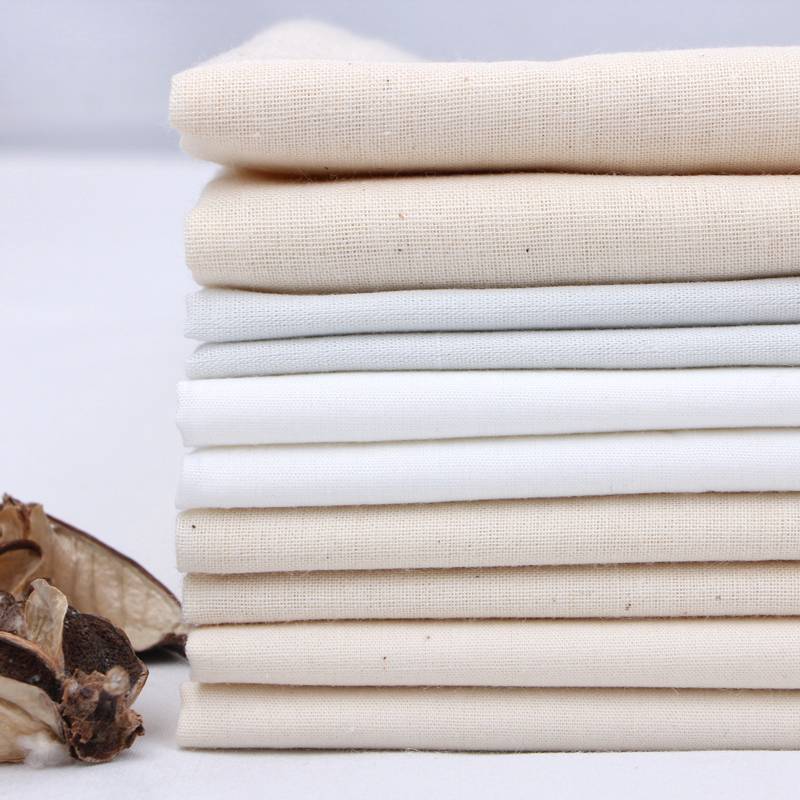
Ecuador's textile landscape is uniquely shaped by its diverse geography. From the humid coastal regions to the cool highlands of Quito, the demand for versatile fabrics is high. Local manufacturers are increasingly seeking plain shirt fabric that can maintain breathability in the tropics while offering enough structure for formal wear.

The industrial sector currently faces a transition toward high-efficiency blending. The rise of the urban middle class has spiked demand for stretch spandex fabric, as fitness and athleisure trends from global markets penetrate the local Guayaquil and Quito fashion hubs.

Despite a strong tradition in cotton processing, there is a growing reliance on imported high-tech blends. The market is shifting toward specialized materials like polyester wax fabric to meet the needs of durable outdoor workwear and industrial applications in the agricultural sector.

Evolution of Fabric Technology in Ecuador

From traditional weaving to high-precision chemical finishing.

Market Development History

Prior to 2010, the Ecuadorian market relied heavily on basic cotton weaving and traditional dyeing processes. The focus was primarily on durability and basic utility, with limited adoption of synthetic blends in everyday clothing.

Between 2010 and 2020, the industry witnessed a "Stretch Revolution." The introduction of cotton spandex blending allowed local garment makers to offer a better fit and higher comfort levels, aligning with international apparel standards.

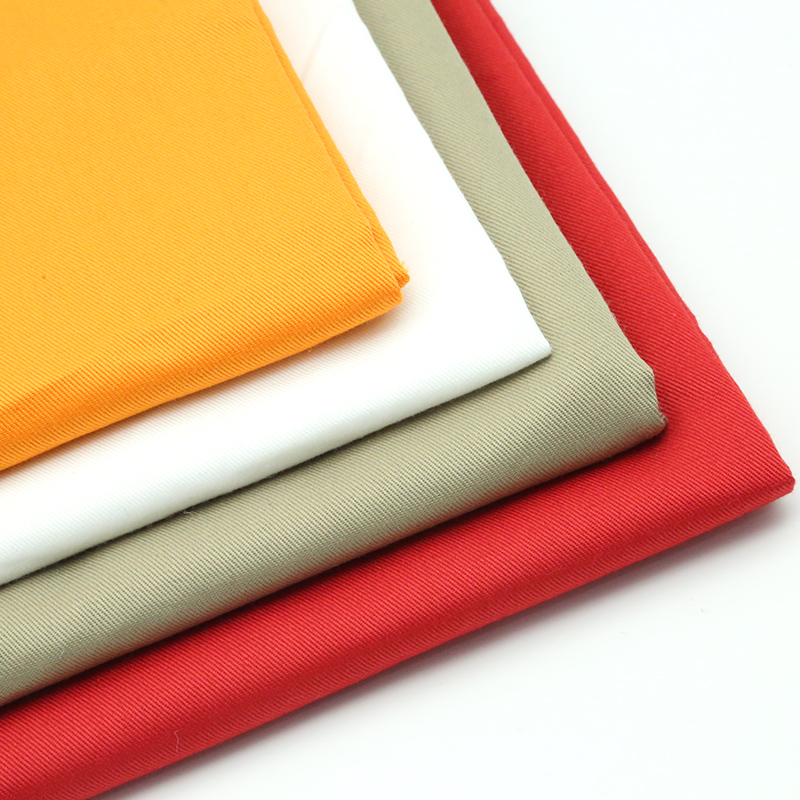
Since 2021, the focus has shifted toward specialized functional textiles. There is now a sophisticated demand for plaid uniform material that combines traditional corporate aesthetics with modern anti-wrinkle and moisture-wicking properties.

Future Development Trends

Eco-Friendly Dyeing Cycles

Driven by strict environmental regulations in South America, the next 3 years will see a surge in waterless dyeing and organic cotton blends to reduce the chemical footprint in the Andean ecosystem.

Smart-Stretch Integration

Google search trends indicate a rising interest in "intelligent fabrics." We expect the integration of thermoregulating properties into standard spandex blends to handle Ecuador's extreme temperature variances.

Industrial Coating Advancements

The evolution of wax-based finishes will move toward biodegradable polymers, enhancing the protective qualities of industrial fabrics without compromising environmental safety.

Industry Outlook and Future Projections

Strategic forecasting for the cotton spinning and dyeing sector.

Sustainable Fiber Sourcing
Increasing adoption of BCI cotton and recycled polyester to meet global ESG standards in the Ecuadorian export market.
Digital Dyeing Precision
Implementation of AI-driven color matching to reduce waste and ensure consistency across large batches of uniform materials.
Hybrid-Blend Dominance
Shift towards tri-blends that combine the breathability of cotton, the stretch of spandex, and the durability of polyester.
Rapid Prototyping
Adoption of on-demand textile printing and small-batch spinning to serve the boutique fashion market in Ecuador.

Industry Outlook

The Ecuadorian textile sector is poised for a transition from bulk commodity production to high-value specialty fabrics. As the regional economy diversifies, the demand for tailored technical textiles will outpace traditional weaving.

Strategic investment in spinning technology that supports high-tenacity blends will be the key differentiator for manufacturers aiming to capture the growing industrial workwear and high-end apparel markets.

Localized Application Scenarios in Ecuador

Practical implementation of textile solutions across diverse sectors.

1. Corporate Apparel for Quito's Business District

Utilizing plain shirt fabric with an easy-care finish to provide professionals in the highland capital with crisp, wrinkle-free attire suitable for cool climates.

2. Educational Institution Uniforms

Implementing high-durability plaid uniform material for schools across Guayaquil, focusing on color fastness to resist fading under intense equatorial sun.

3. Andean Athleisure Collections

Integrating high-performance stretch spandex fabric into local sportswear brands, catering to the growing fitness culture in urban centers.

4. Agricultural Protective Workwear

Deploying polyester wax fabric for workers in the banana and flower plantations to provide water-resistant and abrasion-resistant protection.

5. Casual Comfort Wear for Coastline Tourism

Applying breathable cotton spandex blends for resorts and tourism apparel, ensuring maximum comfort in high-humidity coastal environments.

Brand Story

Global Development Journey of Hebei New Yarn Technology Co., Ltd.

Foundational Excellence

Established with a mission to solve the instability of cotton blend consistency, we began by perfecting the spinning process for high-tenacity yarns.

Technical Breakthroughs

We developed advanced dyeing techniques that ensure vibrant, long-lasting colors even in fabrics with high synthetic content, solving the "bleeding" pain point.

Global Market Expansion

Expanding our footprint into South America, specifically tailoring our production lines to meet the rigorous humidity and temperature demands of the region.

Sustainable Innovation

Integrating eco-friendly finishing agents and recycled fibers into our core product line to lead the industry toward a greener future.

Vision for Tomorrow

Striving to be the primary technical partner for textile manufacturers worldwide, bridging the gap between raw material science and commercial fashion.

Common Questions in the Ecuadorian Textile Sector

Expert answers to technical and commercial queries.

How does the humidity in Guayaquil affect the storage of cotton spandex?

High humidity can affect fiber moisture regain. We recommend climate-controlled storage and using moisture-proof packaging to maintain the elasticity and tensile strength of the fabric.

What is the best plaid uniform material for high-school uniforms in Ecuador?

A polyester-cotton blend is ideal. It combines the comfort of cotton with the durability and wrinkle-resistance of polyester, ensuring uniforms look professional throughout the school day.

Can plain shirt fabric be customized for specific Andean color palettes?

Yes, we provide precision dyeing services. Our labs can match specific Pantone colors to ensure the fabric aligns perfectly with regional corporate branding.

Is stretch spandex fabric suitable for the coastal heat of Ecuador?

By optimizing the blend ratio and using moisture-wicking finishes, we ensure the fabric remains breathable while providing the necessary stretch and recovery.

What are the maintenance requirements for polyester wax fabric?

To maintain the water-repellent properties, we suggest avoiding harsh detergents and using low-temperature washing cycles, which preserves the integrity of the wax coating.

How do I ensure the durability of cotton spandex for high-wear apparel?

The key lies in the spinning quality. We use high-grade combed cotton and premium spandex filaments to prevent pilling and ensure the fabric retains its shape after multiple washes.

Ready to Optimize Your Textile Supply Chain?

Partner with the leading experts in cotton spinning and dyeing to elevate your production in Ecuador.

Contact Us Now
  • Jack

    Jack

    Whatsapp: Linda

You have selected 0 products