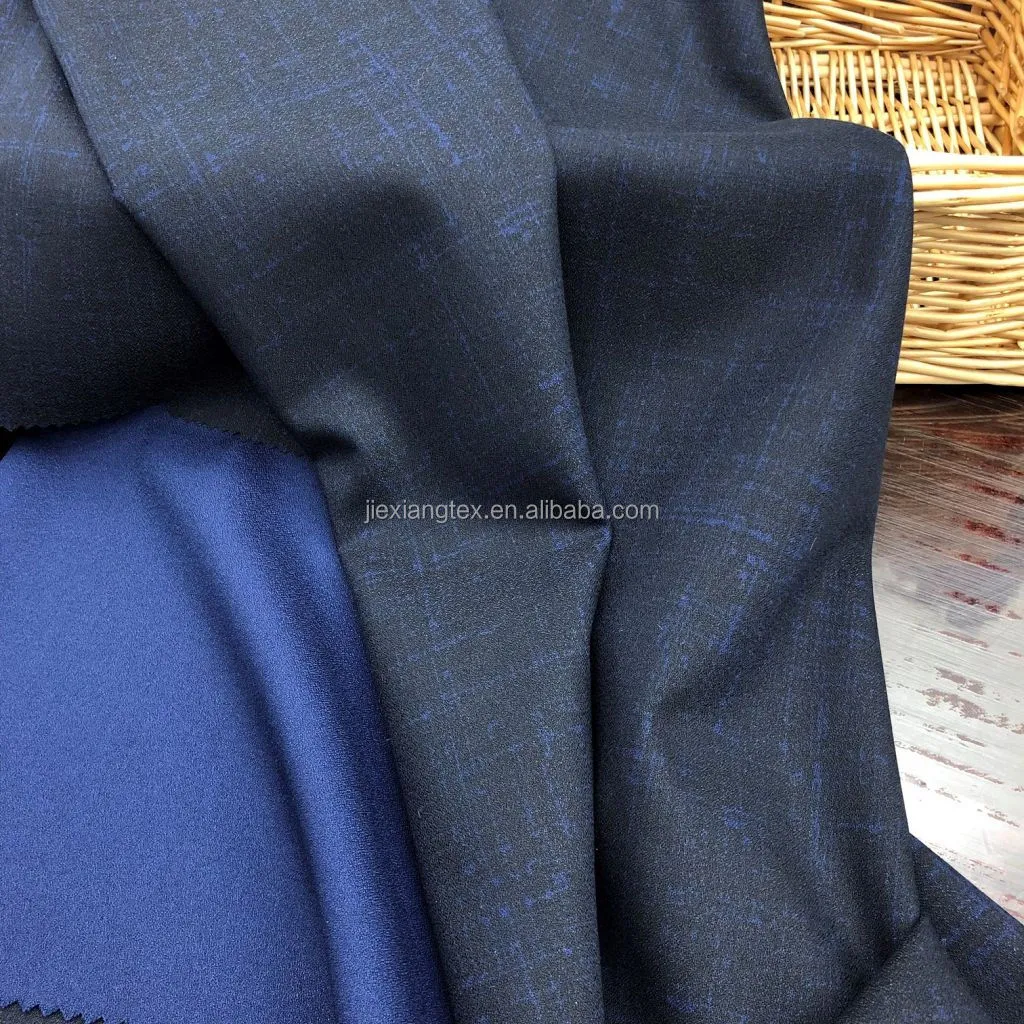
High-Performance plaid uniform material Solutions for Angola

Advanced cotton spinning and dyeing technologies tailored for the Angolan industrial and corporate apparel market, ensuring durability and climate-adaptive comfort.

The Current Landscape of Textile Demand in Angola

Analyzing the intersection of Angolan climatic needs and industrial textile requirements.

Angola's textile market is currently characterized by a high demand for durable yet breathable materials. Due to the tropical savanna climate, there is a critical need for cotton spandex blends that offer both moisture absorption and the flexibility required for labor-intensive manufacturing roles.

In the corporate and education sectors, the reliance on imported plaid uniform material remains high. However, there is a shift towards materials that can withstand high humidity and frequent washing without losing color vibrancy or structural integrity.

Furthermore, the growth of the Angolan urban service sector has increased the consumption of polyester wax fabric for specialized protective wear, blending traditional aesthetics with modern industrial resistance to environmental pollutants.


Evolution of Spinning and Dyeing in the Angolan Market

From traditional cotton weaving to high-tech synthetic blending.

Market Development History

Historically, Angola relied on heavy-weight cottons. Between 2000 and 2010, the market transitioned towards basic polyester blends to reduce costs, though these often lacked the breathability required for the local heat.

From 2011 to 2020, the introduction of refined spinning techniques allowed for the mass adoption of plain shirt fabric with higher thread counts, improving the professional appearance of the workforce in Luanda and Benguela.

In the last three years, the focus has shifted to "functional textiles," where the integration of elastane has made stretch spandex fabric a standard for modern athletic and industrial uniforms.

Future Development Trends

Eco-Friendly Dyeing Processes

With global pressure on sustainability, Angola is seeing a trend toward low-water dyeing for cotton blends to protect local water sources.

Smart-Fiber Integration

Expect a rise in antimicrobial treatments within cotton spandex to reduce odors in humid tropical environments.

Automated Precision Weaving

The move toward digitized plaid patterns ensures zero-defect uniform production, reducing waste in large-scale government contracts.

Industry Trends and Future Outlook for Angola

Strategic forecasting for the textile supply chain in the Southern African region.

Climate-Adaptive Textiles
Development of fabrics that actively manage thermal regulation for Angola's extreme humidity.
Hybrid Material Blending
Increasing use of polyester-cotton-spandex tri-blends for maximum durability and stretch.
Sustainable Sourcing
Transitioning to recycled polyester in wax-finished fabrics to align with global ESG standards.
Digital Supply Chain
Implementation of real-time tracking for textile shipments from mills to Angolan distributors.

Industry Outlook

Based on Google Search Trends in the Southern African region, there is a growing volume of queries for "breathable industrial wear" and "stretchable work uniforms," indicating a decisive shift toward ergonomic clothing in Angola.

Over the next 3-5 years, we predict that the integration of high-twist spinning and advanced finishing will make polyester wax fabric a primary choice for Angola's expanding oil and gas logistics sector.

Localized Application Scenarios in Angola

Real-world implementations of our textile solutions across various Angolan industries.

1. Luanda Corporate Administration

Utilization of premium plain shirt fabric for high-end office wear that maintains a crisp look despite the coastal humidity of Luanda.

2. National Education Uniforms

Deployment of heavy-duty plaid uniform material for schools, focusing on color fastness and abrasion resistance for students.

3. Mining and Oil Logistics

Integration of polyester wax fabric in workwear for technicians in Cabinda, providing a water-repellent barrier against industrial spills.

4. Urban Athletic & Activewear

Use of stretch spandex fabric for the growing fitness market in Angolan cities, offering 4-way stretch and rapid dry capabilities.

5. Industrial Manufacturing Gear

Implementing cotton spandex for factory floor uniforms, balancing the natural comfort of cotton with the flexibility needed for physical labor.

Brand Story

Global Development Journey of Hebei Niuyuan Technology Co., Ltd.

Foundational Excellence

Established with a vision to revolutionize cotton spinning, we focused on the core physics of fiber strength and dye affinity.

Technological Breakthroughs

We mastered the precision blending of spandex and cotton, solving the common problem of shrinkage in stretch fabrics.

Global Market Expansion

Extending our reach to Africa, we tailored our production lines to meet the specific climate demands of Angola and neighboring nations.

Sustainability Commitment

Investing in closed-loop water systems to ensure our dyeing processes minimize environmental impact globally.

Future Vision

Aiming to be the primary textile partner for Angola's industrialization by providing smart, durable, and affordable fabrics.

Textile FAQ for Angola

Common questions regarding fabric selection and procurement for the Angolan region.

Which plain shirt fabric is best for Luanda's humidity?

We recommend a high-twist cotton blend that maximizes airflow and moisture wicking, ensuring the fabric remains breathable and resists clinging to the skin in high humidity.

How does the plaid uniform material hold up against frequent washing?

Our plaid materials use vat-dyeing technology, which locks the pigments into the fiber, preventing fading even with the aggressive washing cycles common in industrial laundering.

What is the stretch percentage in your stretch spandex fabric?

Our standard stretch spandex fabric contains 5% to 12% elastane, depending on the application, providing an optimal balance between recovery and structural stability.

Is cotton spandex suitable for outdoor labor in Angola?

Yes, it is ideal. The cotton provides natural cooling and skin-friendliness, while the spandex ensures the garment moves with the worker, reducing fatigue and fabric tearing.

Does polyester wax fabric provide real water resistance?

Yes, the wax finish creates a hydrophobic layer on the polyester surface, allowing water and light oils to bead off, which is essential for Angolan industrial environments.

What are the minimum order quantities for custom plaid patterns in Angola?

We offer flexible MOQs for the Angolan market to support both growing SMEs and large government contracts, with specific terms available upon detailed specification review.

Connect With Our Textile Experts

Ready to upgrade your industrial apparel? Contact us for customized fabric solutions delivered directly to Angola.

Contact Us Now
  • Jack

    Jack

    Whatsapp: Linda

You have selected 0 products