
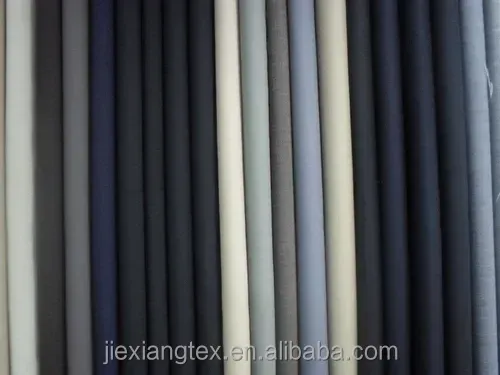
High-Performance cotton spandex Solutions for Bolivia

Premium textile engineering integrating breathability and durability for the diverse Bolivian climate and industrial needs.

High-Performance cotton spandex Solutions for Bolivia

Providing specialized cotton spinning and finishing services tailored to the South American market, focusing on elasticity, color fastness, and textile longevity.

Textile Manufacturing Landscape in Bolivia

Analyzing the intersection of high-altitude climate and industrial textile demand.

Bolivia's textile sector is characterized by a stark contrast between the Andean highlands and the tropical lowlands. In cities like La Paz and El Alto, there is a constant demand for heavy-duty fabrics, while the Santa Cruz region requires lightweight, breathable materials such as plain shirt fabric to combat humidity.

The local industry currently faces challenges in sourcing high-elasticity raw materials. Many garment manufacturers rely on imported stretch spandex fabric to meet the rising demand for athleisure and form-fitting corporate wear, highlighting a gap in local high-tech spinning capabilities.

Furthermore, the economic shift towards formalizing the workforce in Bolivia has surged the demand for standardized plaid uniform material. This requires advanced dyeing and finishing processes to ensure that colors remain vibrant despite intense UV exposure in high-altitude regions.
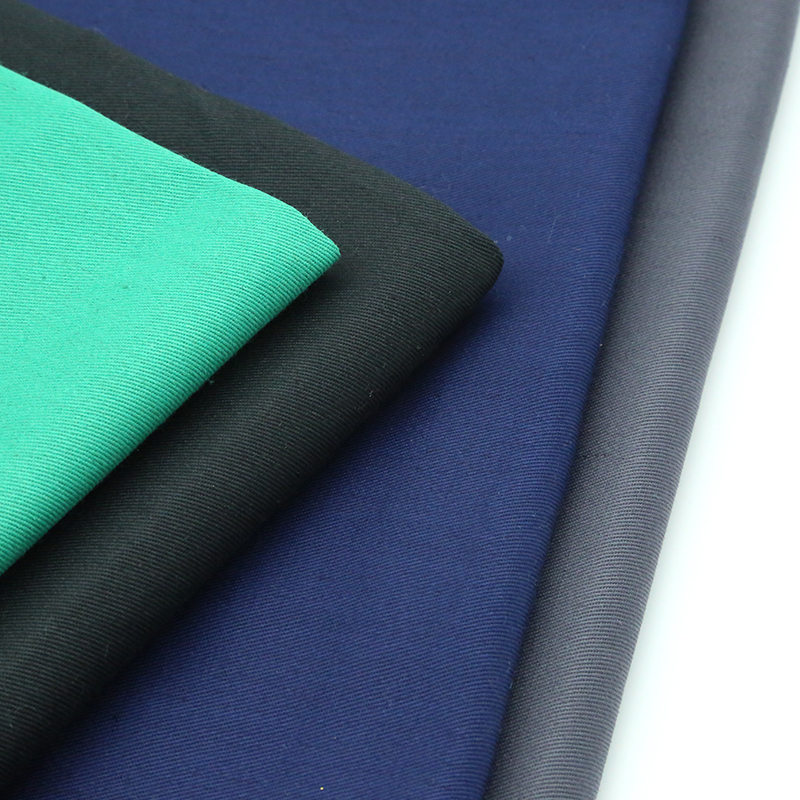
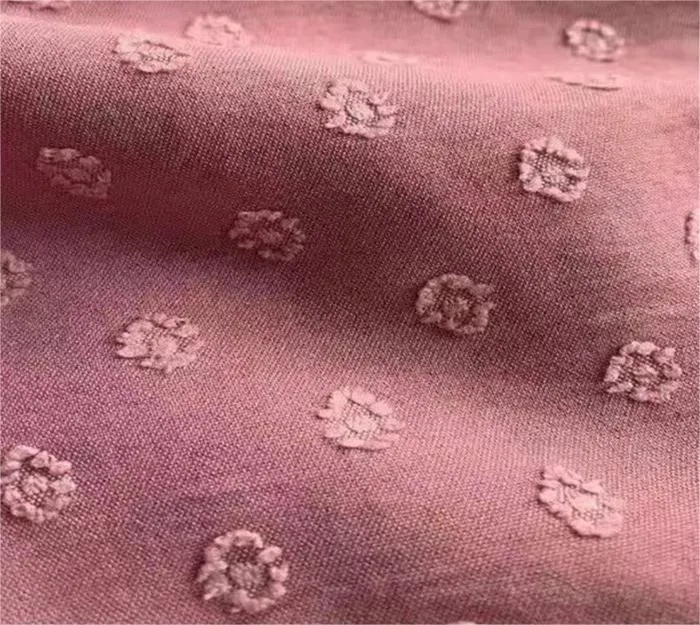
Evolution of Cotton Spinning in Bolivia

From traditional loom weaving to precision chemical finishing.

Market Development History

Prior to 2010, the Bolivian market was dominated by traditional cotton weaving and basic spinning techniques, primarily producing coarse fabrics for local consumption with limited stretch properties.

Between 2010 and 2020, the industry transitioned toward blended yarns. The introduction of cotton spandex blends allowed local manufacturers to create garments that combined the comfort of natural fibers with the functionality of synthetic elasticity.

From 2020 to the present, the focus has shifted toward specialized finishing. The adoption of polyester wax fabric technologies has enabled the production of water-resistant and stain-repellent textiles for industrial use in Bolivia's mining and agricultural sectors.

Future Development Trends

Eco-Friendly Dyeing Cycles

Driven by global sustainability trends, Bolivian factories are moving toward low-water dyeing processes to protect local watersheds while maintaining high color saturation.

Smart-Stretch Integration

Integration of memory-shape polymers into stretch fabrics to ensure that corporate uniforms maintain their fit over years of heavy usage.

UV-Protective Finishes

Developing advanced coatings that protect skin from high-altitude radiation, specifically for outdoor workwear fabrics.

Industry Trends and Future Outlook

Strategic forecasting for the Bolivian textile supply chain.

Sustainable Fiber Sourcing
Shift towards organic cotton and recycled polyester to align with South American environmental regulations.
Automated Spinning Mills
Adoption of AI-driven quality control in cotton spinning to reduce waste and ensure yarn consistency.
Performance Finishing
Increased use of nanocoatings for antimicrobial and hydrophobic properties in industrial textiles.
Digital Supply Chain
Implementing blockchain for traceability from raw cotton fiber to the final garment in Bolivia.

Industry Outlook

Based on search trend data, the demand for "breathable corporate wear" in the South American region is projected to grow by 15% annually. This indicates a strong pivot toward blended fabrics that offer both professional aesthetics and thermal comfort.

The long-term outlook suggests a consolidation of the textile market, where manufacturers who invest in specialized finishing—such as wax treatments and high-grade spandex integration—will dominate the regional industrial supply chain.

Localized Applications in Bolivia

Tailored textile solutions for specific regional needs.

01. Corporate Attire for Santa Cruz Lowlands

Utilizing plain shirt fabric with high moisture-wicking properties to ensure comfort for office professionals in humid tropical climates.

02. Educational Uniforms in La Paz

Applying durable plaid uniform material that provides warmth and resists wear and tear for students in high-altitude urban areas.

03. Athletic Gear for Andean Sports

Developing high-compression stretch spandex fabric for athletes training in low-oxygen environments, focusing on muscle support and temperature regulation.

04. Industrial Workwear for Mining Sectors

Implementing polyester wax fabric for protective clothing used in Bolivia's lithium and silver mines to repel water and chemical splashes.

05. High-End Casual Wear for Boutique Retail

Integrating premium cotton spandex blends for the growing luxury apparel market in Bolivia's urban centers.

Brand Story

Global Development Journey of Hebei Niuyuan Technology Co., Ltd.

Foundational Excellence

Established with a vision to revolutionize cotton spinning through precision engineering and strict quality control.

Technological Breakthrough

Developed proprietary blending techniques that optimize the ratio of cotton to spandex for maximum durability.

Market Expansion

Extended operations into South America, solving the pain point of inconsistent fabric quality for Bolivian wholesalers.

Sustainability Pivot

Implemented green-energy spinning mills to reduce the carbon footprint of every meter of fabric produced.

Future Vision

Aiming to be the primary textile partner for Bolivia's industrial modernization through smart-fabric innovation.

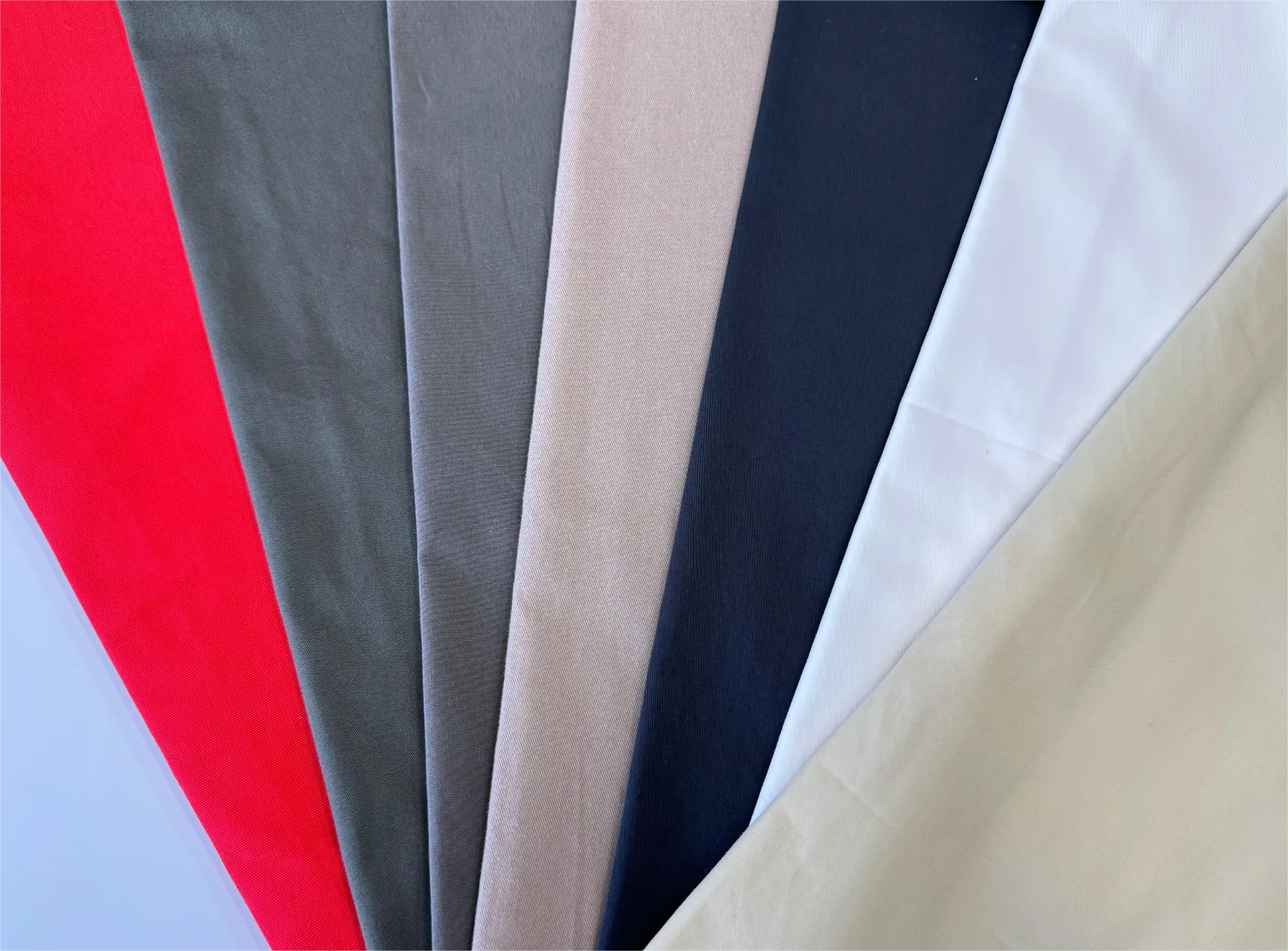
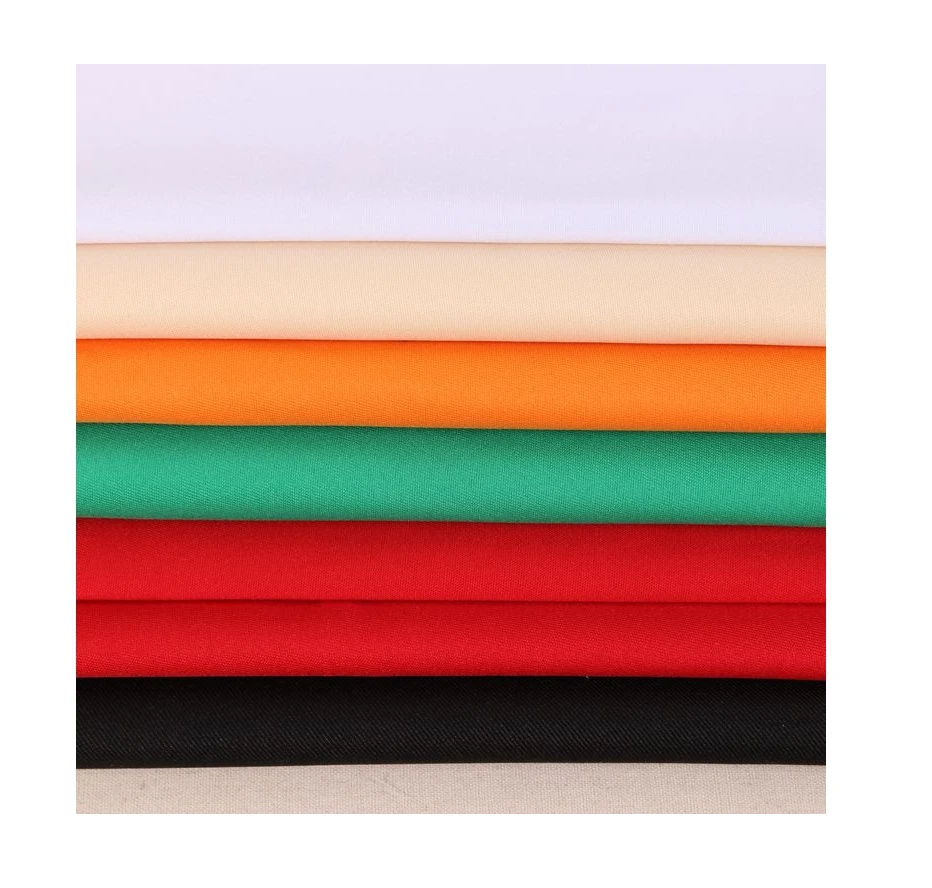
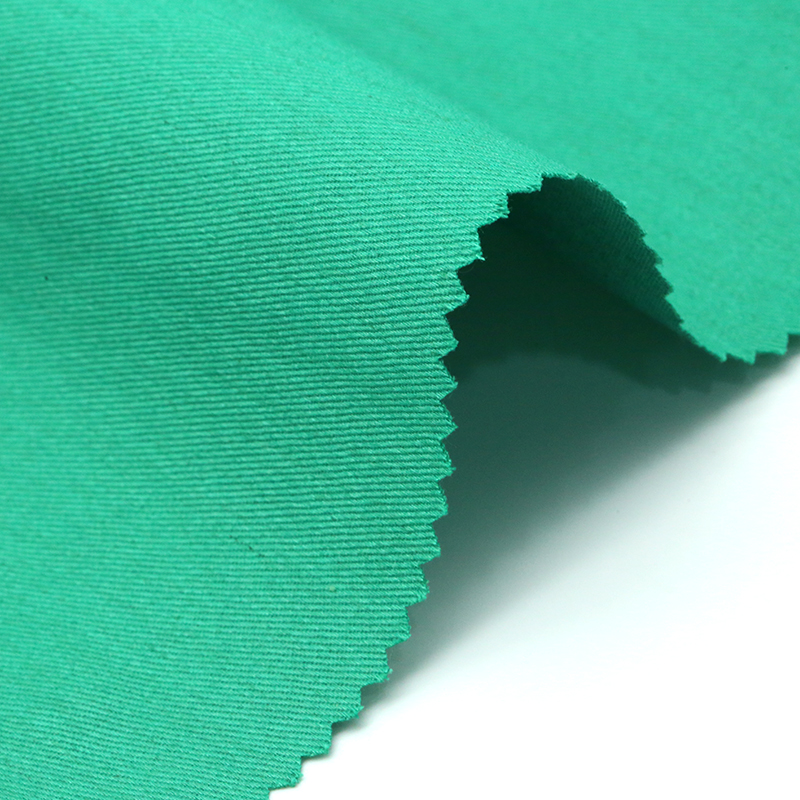
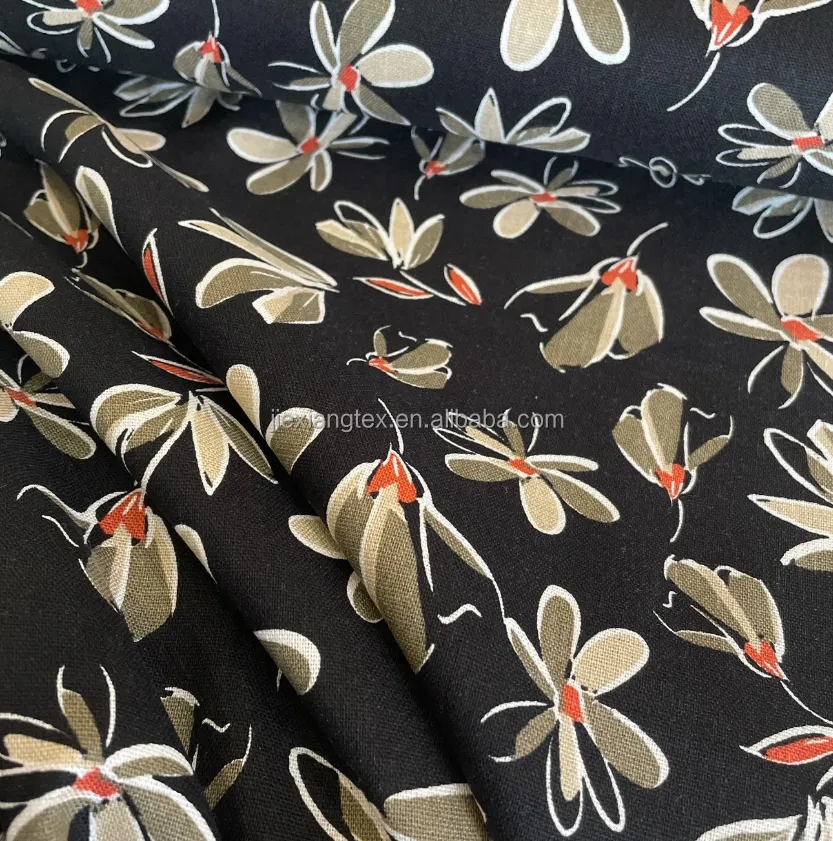
Complete Textile Portfolio for the Bolivian Market

From raw cotton spinning to finished high-performance fabrics.

Bolivian Textile Industry FAQs

Expert answers to common technical and sourcing questions.

How does high-altitude UV affect plain shirt fabric quality?

High UV levels can accelerate the degradation of fibers. We use advanced UV-stabilized dyes to ensure our fabrics maintain their structural integrity and color.

What is the best cotton spandex ratio for Bolivian corporate wear?

A blend of 95% cotton and 5% spandex is ideal, providing the necessary professional structure while allowing movement for daily activities.

Is stretch spandex fabric suitable for high-humidity regions like Santa Cruz?

Yes, provided the weave is optimized for breathability. Our stretch fabrics are engineered to facilitate airflow and moisture evaporation.

How durable is plaid uniform material against industrial abrasion?

Our uniform materials undergo rigorous abrasion testing, ensuring they withstand the harsh environments typical of Bolivian industrial sites.

What are the advantages of polyester wax fabric for outdoor gear?

The wax coating creates a hydrophobic barrier that protects the wearer from rain and mud, which is critical for Bolivia's agricultural sectors.

Can these fabrics be customized for small-batch local designers in Bolivia?

Yes, we offer flexible minimum order quantities (MOQs) to support the growth of emerging fashion brands in the region.

Request Your Custom Textile Sample

Our experts are ready to help you optimize your fabric sourcing for Bolivia. Get in touch today for a technical consultation.

Contact Us Now
  • Jack

    Jack

    Whatsapp: Linda

You have selected 0 products