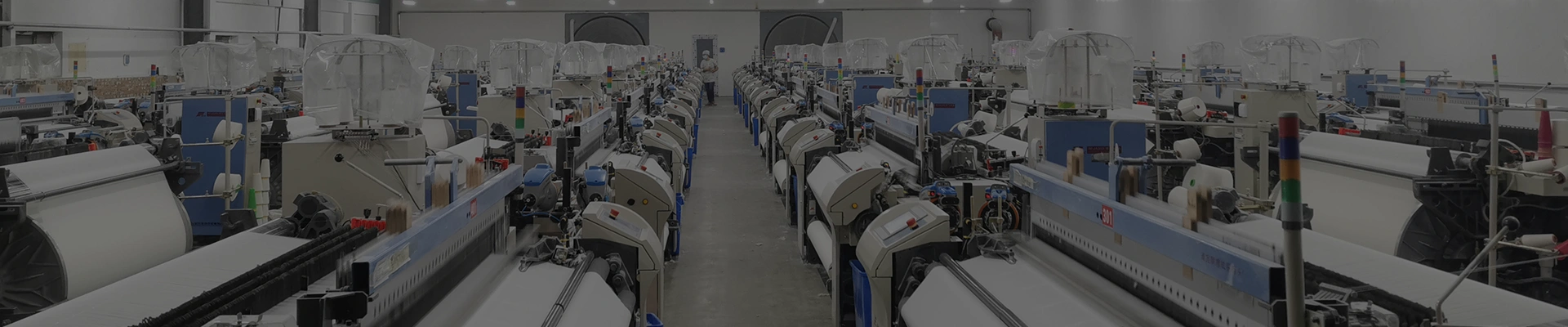
Durable and Comfortable Poly Cotton Clothes for Industrial Use
Why Poly Cotton Clothes Keep Gaining Ground in Industrial Settings
Having spent quite a few years tracking the twists and turns of industrial apparel, I can say one fabric blend seems to make the rounds above all others: poly cotton clothes. It's that sweet spot between comfort and durability — a combo that those of us dealing in heavy-duty environments just can’t overlook.
No, it’s not just a matter of fashion. Poly cotton’s charm is in how it balances the best properties of its two main ingredients: polyester and cotton. Polyester lends the strength and longevity that rough industrial work demands, while cotton keeps things breathable and comfortable when you're sweating through a long shift. Honestly, no one wants to feel like they’re in a sauna suit after an hour on the floor.
Oddly enough, in my experience, many engineers and plant managers overlook fabric choice, until a certain incident or wear-out phase happens — and then it’s all hands on deck trying to source the right stuff. Once you try poly cotton gear, going back feels... well, a bit of a step backward.
What Makes Poly Cotton Clothes Stand Out Technically
There are a bunch of blends in the market, ranging roughly from 65/35 to 50/50 polyester to cotton. The exact ratio can shift the feel a lot. I remember a fellow safety officer once remarking how a 65/35 blend felt sturdier and resisted stains better, but the 50/50 was “just easier on the skin.” You live and learn.
| Specification | Typical Value | Remarks |
|---|---|---|
| Polyester Ratio | 50% - 65% | Adds durability and wrinkle resistance |
| Cotton Ratio | 35% - 50% | Improves breathability and comfort |
| Fabric Weight | 180-220 g/m² | Balance of sturdiness and flexibility |
| Shrinkage | Below 3% | After standard washing |
| Color Fastness | Grade 4+ | Maintains vibrant color after multiple washes |
Another thing worth mentioning is the fabric’s performance under intense use. I once evaluated uniforms from three different suppliers for a steel plant experiencing high wear rates—some even complained about seams ripping overnight. The poly cotton blend chosen ended up lasting weeks longer than pure cotton counterparts, and even in hot spots, workers noted it was “somehow cooler,” which maybe has a lot to do with how cotton fibers wick moisture.
Vendor Comparison: Finding the Right poly cotton clothes Supplier
Picking a vendor feels like sorting through a maze sometimes. You’ve got price, lead times, quality, and, honestly, trust. Here’s a quick overview of three familiar names in industrial workwear fabric supply, based on my years dealing with them firsthand:
| Vendor | Fabric Quality | Lead Time | Customization Options | Price Range |
|---|---|---|---|---|
| Jiexiang Textile | Premium, consistent | 2-3 weeks | Wide range of blends & finishes | Moderate |
| Vendor B | Good but variable | 4-5 weeks | Limited blends | Lower |
| Vendor C | Standard quality | 1-2 weeks (rush) | Minimal | Higher |
One story I like to share: a mid-sized manufacturing plant I worked with switched to poly cotton clothes from Jiexiang Textile. Before, they had issues with tear rates and employee discomfort in summer months, which directly harmed productivity. Six months later, absenteeism dropped slightly, and workers actually began requesting the new gear — which is a rarity in this line!
To sum it up, this fabric blend isn’t just an industry fad tossed about in trade shows. It’s a practical choice born in the trenches, offering industrial workwear that works as hard as you do — tough, breathable, and yes, sometimes even a little stylish.
So, if your gear feels a bit too rough or your laundry room is grumbling, poly cotton clothes might just be what the doctor ordered.
Refs:
- Polyester Cotton Fabric: A Blend for Industrial Apparel Durability, Textile Journal, 2023.
- Why Workwear Fabric Matters: Insights from Manufacturing Floors, Industrial Weekly, 2022.
- Jiexiang Textile Product Catalog & User Reviews, accessed June 2024.
-
The Ultimate Guide to Premium 100 soft cotton fabric TextilesNewsJul.01,2026
-
Premium 100 quilting cotton for Professional Textile ExcellenceNewsJun.29,2026
-
Premium 100 pure cotton fabric for Quality Comfort and VersatilityNewsJun.27,2026
-
Ultimate Guide to 100 premium cotton fabric for Modern TextilesNewsJun.26,2026
-
Premium 100 plain cotton fabric for Modern Textile DesignNewsJun.25,2026
-
Best Guide to Choosing Green and Brown Fabric for Modern InteriorsNewsJun.23,2026
-
Professional Guide to Choosing the Best Fabric for Medical UniformsNewsJun.21,2026