
Comprehensive Guide to Selecting the Best Kinds of Tela for Uniform Applications
Choosing the Right Kinds of Tela for Uniform: A Comprehensive Guide
Selecting the appropriate fabric, or tela, for uniforms is a critical decision for any organization. The choice impacts comfort, durability, appearance, and cost. This article will explore the various kinds of tela for uniform available, their unique properties, and ideal applications, helping you make an informed decision. A well-chosen fabric ensures a professional look and long-lasting performance for your team. Understanding the nuances of different materials is key to maximizing your investment.
Understanding the Core Properties of Uniform Tela
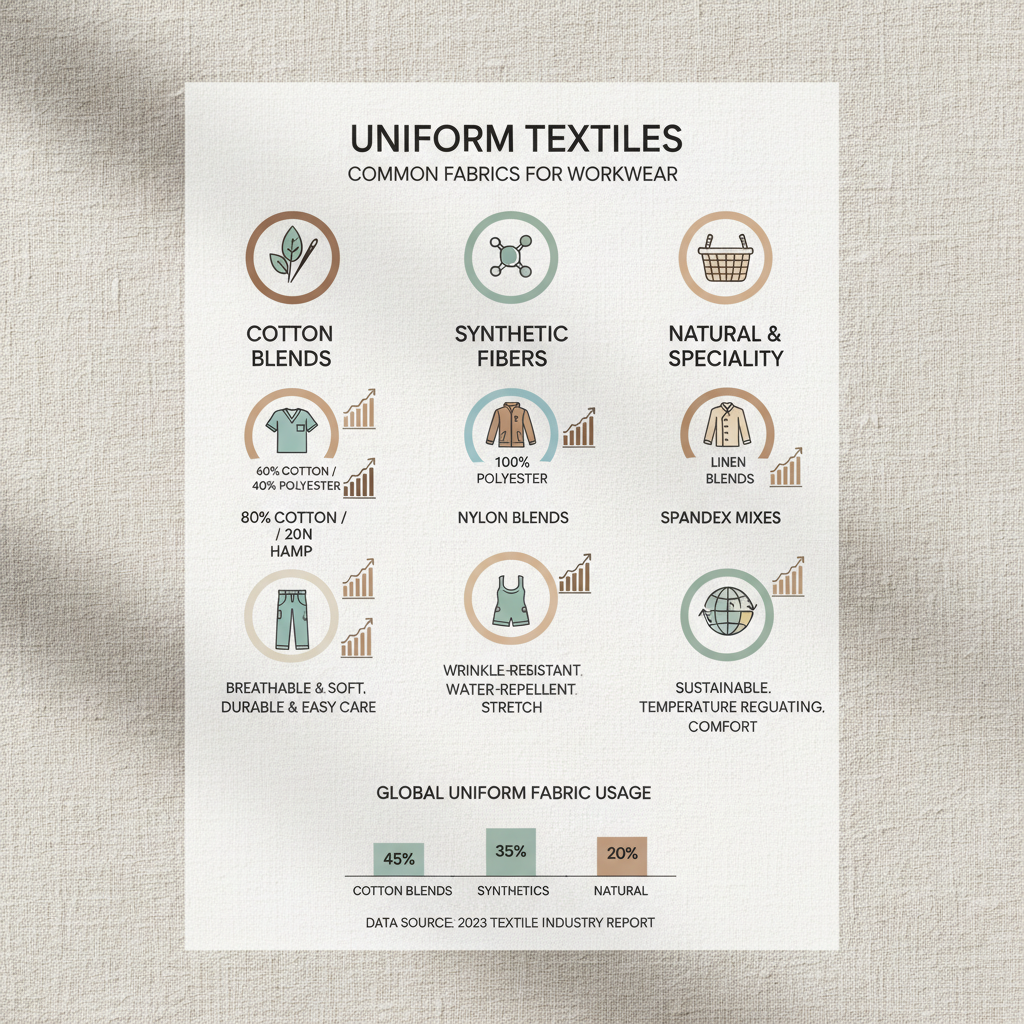
Before diving into specific fabric types, it's important to understand the key properties to consider. These include durability (resistance to wear and tear), breathability (ability to allow air circulation), wrinkle resistance (how well the fabric holds its shape), colorfastness (resistance to fading), and ease of care (washing and ironing requirements). The intended use of the uniform will largely dictate which properties are most important. For example, uniforms for outdoor work will require higher durability and potentially water resistance, while uniforms for office environments may prioritize wrinkle resistance and breathability.
Key Properties to Consider: Durability, Breathability, Wrinkle Resistance, Colorfastness, and Ease of Care.
Common Kinds of Tela for Uniform: A Detailed Overview
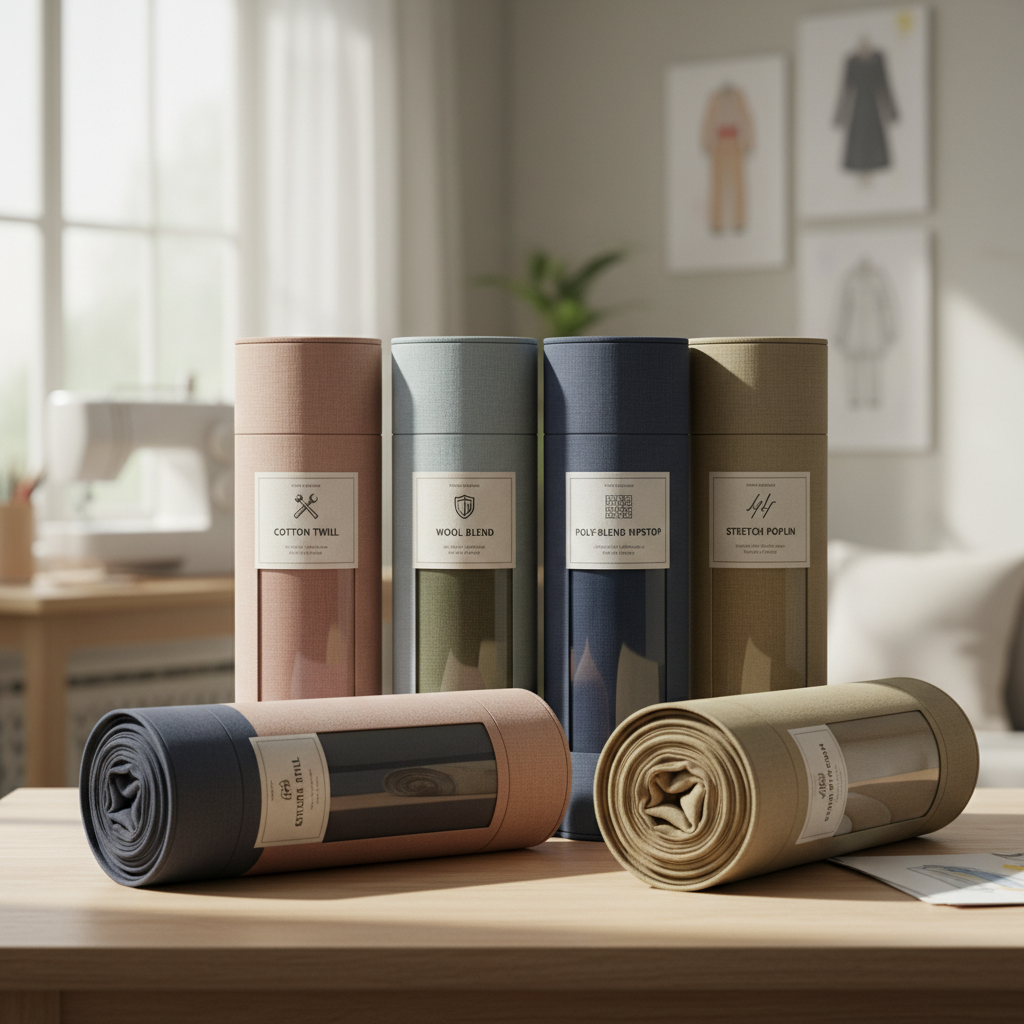
Let's explore some of the most popular fabric choices for uniforms. Each material offers a unique set of benefits and drawbacks. Understanding these differences is crucial for selecting the right tela for your specific needs. Here’s a breakdown of several common options:
Popular Uniform Fabrics:
• Polyester: Durable, wrinkle-resistant, and affordable.
• Cotton: Breathable, comfortable, but prone to wrinkling.
• Polyester/Cotton Blend: Combines the benefits of both materials.
• Twill: A strong, durable weave often used in workwear.
• Poplin: A smooth, tightly woven fabric ideal for dress uniforms.
Comparing Popular Tela Options for Uniforms
Choosing between different fabrics can be challenging. This comparison table highlights the key differences between some of the most commonly used telas for uniforms, allowing for a more informed decision. Consider the specific requirements of the job when evaluating these options.
Factors to Consider When Choosing Tela for Specific Industries
Different industries have unique requirements. For instance, healthcare uniforms need to be easily washable and resistant to stains, while industrial uniforms may require flame resistance and high durability. Food service uniforms prioritize breathability and stain resistance. Consider these factors during your selection process.
Where to Source High-Quality Uniform Tela
Partnering with a reputable textile supplier is essential to ensure you receive high-quality tela that meets your specifications. Jiexiang Textile offers a wide range of fabrics specifically designed for uniforms, with a commitment to quality and customer satisfaction. We provide customized solutions to meet your unique requirements.
Conclusion: Investing in the Right Tela for Long-Term Success
Choosing the right kinds of tela for uniform is an investment in your brand and your employees' comfort and safety. By carefully considering the properties, applications, and industry-specific needs, you can select a fabric that delivers lasting value. Don't hesitate to consult with textile experts to ensure you make the most informed decision.
Frequently Asked Questions (FAQs)
What is the difference between polyester and cotton for uniforms?
Polyester is known for its durability, wrinkle resistance, and affordability, making it ideal for uniforms needing frequent washing and maintaining a crisp appearance. However, it's less breathable than cotton. Cotton, on the other hand, offers excellent breathability and comfort but is more prone to wrinkling and may fade faster. A polyester/cotton blend aims to combine the best of both worlds, providing a balance of comfort, durability, and wrinkle resistance. The best choice depends on the specific needs of the job and the desired level of comfort versus practicality.
How do I care for different types of uniform tela?
Care instructions vary depending on the fabric. Polyester is generally machine washable and can be tumble dried on low heat. Cotton requires more careful washing, often with cold water and a gentle cycle, to prevent shrinking and fading. Blends usually fall somewhere in between. Always check the care label on the fabric for specific instructions. Avoid harsh detergents and excessive ironing, as this can damage the fibers.
What is the role of weave in determining tela quality?
The weave of a fabric significantly impacts its properties. For example, a twill weave (like in denim) is strong and durable, making it suitable for workwear. A poplin weave is tight and smooth, providing a more polished look for dress uniforms. A plain weave is simple and versatile. The tighter the weave, generally, the more durable and wrinkle-resistant the fabric will be. The weave also affects breathability and how the fabric drapes.
Where can I find more information about tela options for uniforms?
You can explore our extensive catalog of uniform fabrics at Jiexiang Textile. Our expert team is also available to answer your questions and provide personalized recommendations based on your specific needs. We offer detailed product specifications and samples to help you make an informed decision.
-
Guide to Finding the Best Premium cotton suit material onlineNewsApr.16,2026
-
Premium White Cotton Fabric Wholesale Guide for BusinessesNewsApr.09,2026
-
Discover Premium Cotton Curtain Fabric Online for Beautiful HomesNewsApr.07,2026
-
Understanding Uniform Type of Fabric for Global Trade and Quality AssuranceNewsMar.31,2026
-
Comprehensive Guide to Different Types of Tela for Uniform SelectionNewsMar.28,2026
-
Comprehensive Guide to Selecting the Best Types of Fabric for UniformNewsMar.26,2026
-
Comprehensive Guide to Selecting the Best Types of Fabric for Office UniformNewsMar.24,2026