
Comprehensive Guide to Polycotton Printed Shirt Fabric for Apparel Production
Polycotton Printed Shirt Fabric: A Comprehensive Guide
When selecting fabrics for apparel, especially shirts, the choice between options can be overwhelming. Polycotton printed shirt fabric offers a compelling blend of comfort, durability, and cost-effectiveness. This article delves into the properties, benefits, applications, and key considerations when choosing polycotton fabric for your shirt production. Understanding the nuances of this versatile material is crucial for creating high-quality garments that meet both consumer demands and business objectives. We'll explore how Jiexiang Textile provides premium polycotton solutions.
Understanding Polycotton Fabric Composition
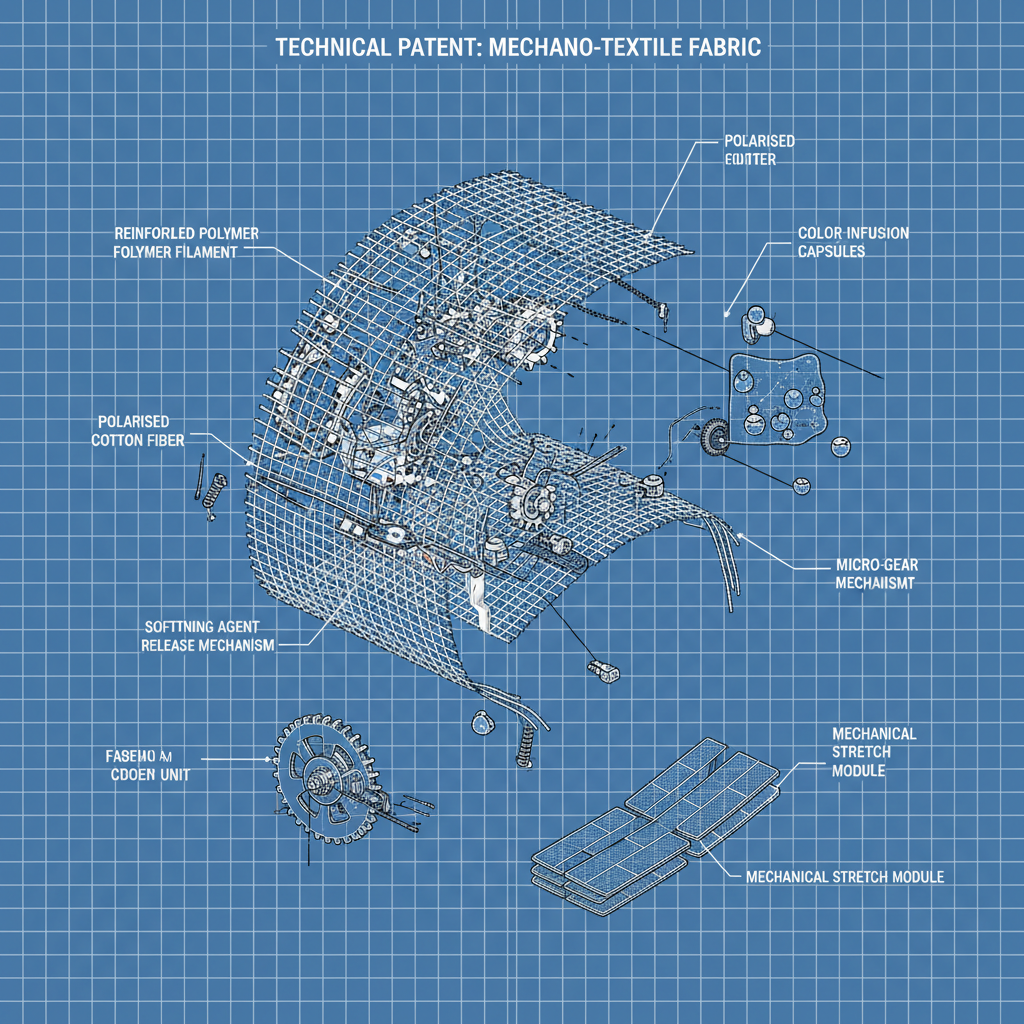
Polycotton fabric is a blend of polyester and cotton fibers. The ratio of these fibers can vary, influencing the fabric's characteristics. A common blend is 65% polyester and 35% cotton, but other combinations exist, such as 50/50 or 80/20. Polyester contributes to the fabric's strength, wrinkle resistance, and color retention, while cotton adds breathability and comfort. The printing process on polycotton allows for vibrant, long-lasting designs, making it ideal for a variety of shirt styles. At Jiexiang Textile, we offer customized blend ratios to meet your specific needs.
Key Takeaway: The polyester content impacts durability and wrinkle-resistance, while cotton contributes to comfort and breathability. The right balance depends on the intended shirt use.
Benefits of Using Polycotton Printed Shirt Fabric
Polycotton printed shirt fabric offers numerous advantages. It’s more affordable than 100% cotton, while still providing a comfortable feel. The polyester component minimizes shrinkage and wrinkling, making it easier to care for. The fabric holds color exceptionally well, ensuring printed designs remain vibrant even after multiple washes. Furthermore, polycotton is relatively lightweight and breathable, suitable for a wide range of climates. Jiexiang Textile's polycotton fabrics are pre-shrunk and tested for colorfastness, guaranteeing consistent quality.
Key Benefits:
• Affordability
• Durability
• Wrinkle Resistance
• Excellent Color Retention
• Breathability
Polycotton vs. 100% Cotton: A Comparative Analysis
Choosing between polycotton and 100% cotton depends on your specific requirements. While 100% cotton is incredibly soft and breathable, it is prone to shrinking, wrinkling, and fading. Polycotton, on the other hand, offers a more practical solution for garments that need to withstand frequent washing and wear. The blend maintains a good level of comfort while enhancing durability and minimizing maintenance. For businesses focused on cost-effectiveness and longevity, polycotton is often the preferred choice.
Applications of Polycotton Printed Shirt Fabric
The versatility of polycotton printed shirt fabric makes it suitable for a wide range of apparel. Common applications include t-shirts, polo shirts, workwear, uniforms, and casual shirts. Its durability makes it ideal for garments that undergo frequent washing, such as sportswear or children’s clothing. The smooth surface provides an excellent base for various printing techniques, including screen printing, digital printing, and heat transfer. Jiexiang Textile caters to diverse industries, offering fabrics tailored to specific application needs.
Choosing the Right Polycotton Fabric: Considerations & Specifications
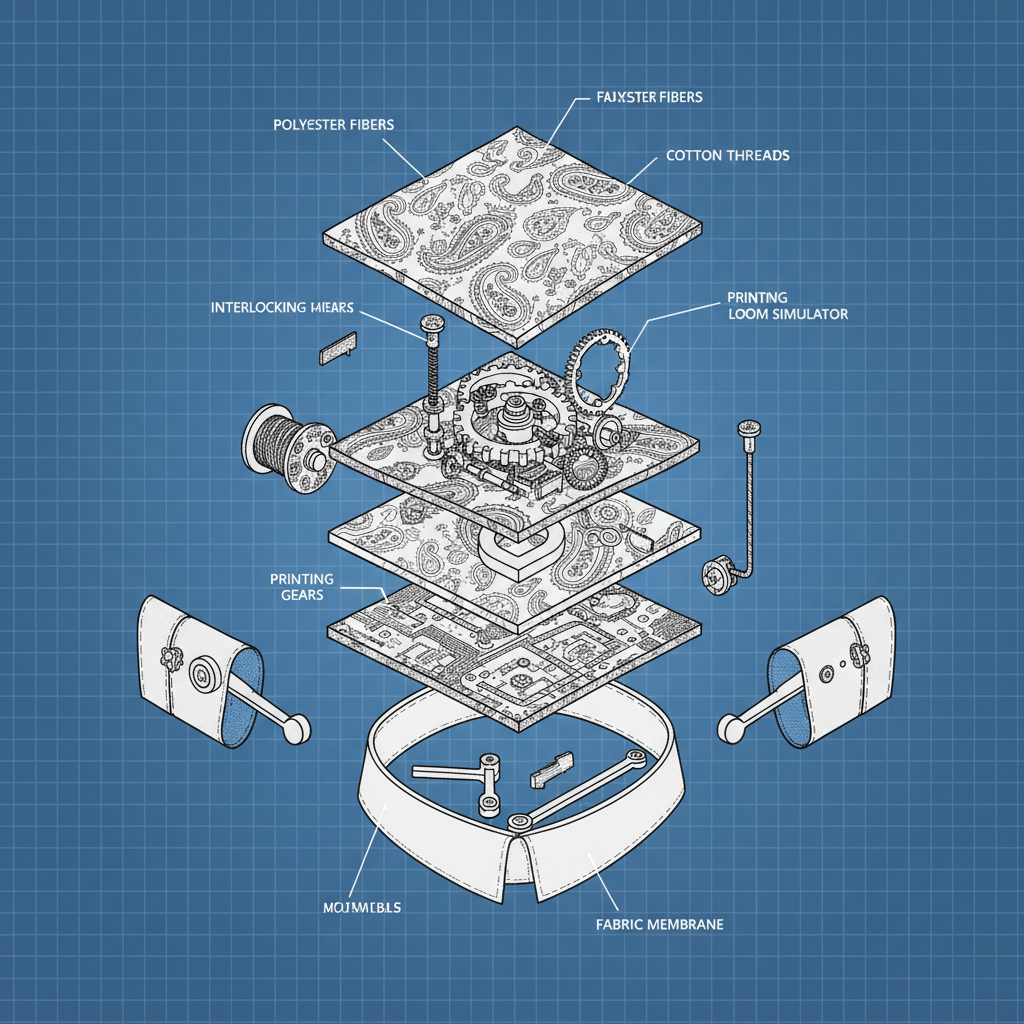
When selecting polycotton fabric, consider the intended use, desired softness, and printing requirements. The blend ratio impacts these factors significantly. A higher cotton content provides greater softness, while a higher polyester content enhances durability and wrinkle resistance. Fabric weight (measured in GSM - grams per square meter) is another crucial consideration. Heavier fabrics are more durable but less breathable. Jiexiang Textile offers a range of specifications to meet your unique needs.
Conclusion: Polycotton – A Smart Choice for Your Apparel Needs
Polycotton printed shirt fabric provides an excellent balance of comfort, durability, and affordability. Its versatility makes it a suitable choice for a wide array of applications, from everyday wear to work uniforms. Jiexiang Textile is dedicated to delivering high-quality polycotton fabrics tailored to your specific requirements. Invest in a fabric that meets your needs and ensures customer satisfaction.
Frequently Asked Questions (FAQs)
What is the best polycotton ratio for printing?
Generally, a 65/35 polyester/cotton blend is considered ideal for printing. The higher polyester content provides a smoother surface for better ink adhesion and sharper print results. It also enhances color vibrancy and durability. However, the best ratio ultimately depends on the printing technique used and the desired feel of the fabric. Digital printing often works well with lower polyester percentages, while screen printing benefits from the higher polyester content for sharper image reproduction. Jiexiang Textile can provide guidance on the best blend for your specific printing process.
How do I care for polycotton printed shirts?
Polycotton shirts are relatively easy to care for. Machine wash in cold water with a mild detergent. Tumble dry on low heat or hang to dry. Avoid using bleach, as it can fade the colors. Iron on a low setting if needed. Following these care instructions will help maintain the vibrancy of the print and the overall quality of the garment. Avoiding harsh chemicals and high heat will prolong the life of your polycotton shirts.
Is polycotton fabric breathable?
Polycotton offers a good balance of breathability. The cotton component allows for some air circulation, while the polyester helps wick away moisture. However, it's generally less breathable than 100% cotton. The breathability can also vary depending on the blend ratio and fabric weight. Lighter-weight fabrics with a higher cotton content will be more breathable. For applications requiring maximum breathability, consider a blend with a higher percentage of cotton.
Where can I source high-quality polycotton printed shirt fabric?
Jiexiang Textile is a leading supplier of high-quality polycotton printed shirt fabric. We offer a wide range of blend ratios, weights, and colors to meet your specific needs. We also provide custom printing services and expert guidance to help you choose the right fabric for your project. Contact us today to discuss your requirements and request a sample.
-
Guide to Finding the Best Premium cotton suit material onlineNewsApr.16,2026
-
Premium White Cotton Fabric Wholesale Guide for BusinessesNewsApr.09,2026
-
Discover Premium Cotton Curtain Fabric Online for Beautiful HomesNewsApr.07,2026
-
Understanding Uniform Type of Fabric for Global Trade and Quality AssuranceNewsMar.31,2026
-
Comprehensive Guide to Different Types of Tela for Uniform SelectionNewsMar.28,2026
-
Comprehensive Guide to Selecting the Best Types of Fabric for UniformNewsMar.26,2026
-
Comprehensive Guide to Selecting the Best Types of Fabric for Office UniformNewsMar.24,2026