Advanced Textile Solutions for cotton spandex in Papua New Guinea

Engineered for the humid tropics of Oceania, providing high-performance cotton spinning and finishing solutions for the PNG market.

Advanced Textile Solutions for cotton spandex in Papua New Guinea

Integrating precision cotton spinning and dyeing processes to deliver durable, breathable, and high-stretch fabrics tailored for the specific climate and industrial needs of Papua New Guinea.

Textile Manufacturing Landscape in Papua New Guinea

Analyzing the intersection of high humidity and industrial fabric demand.

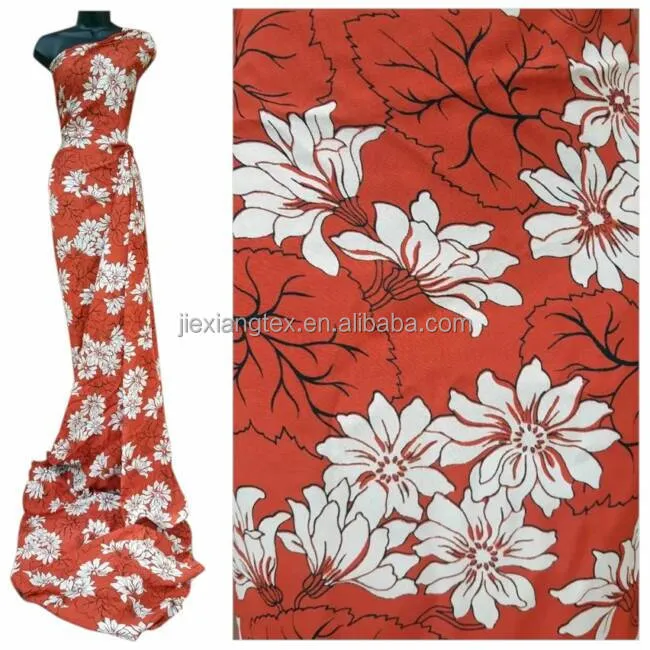
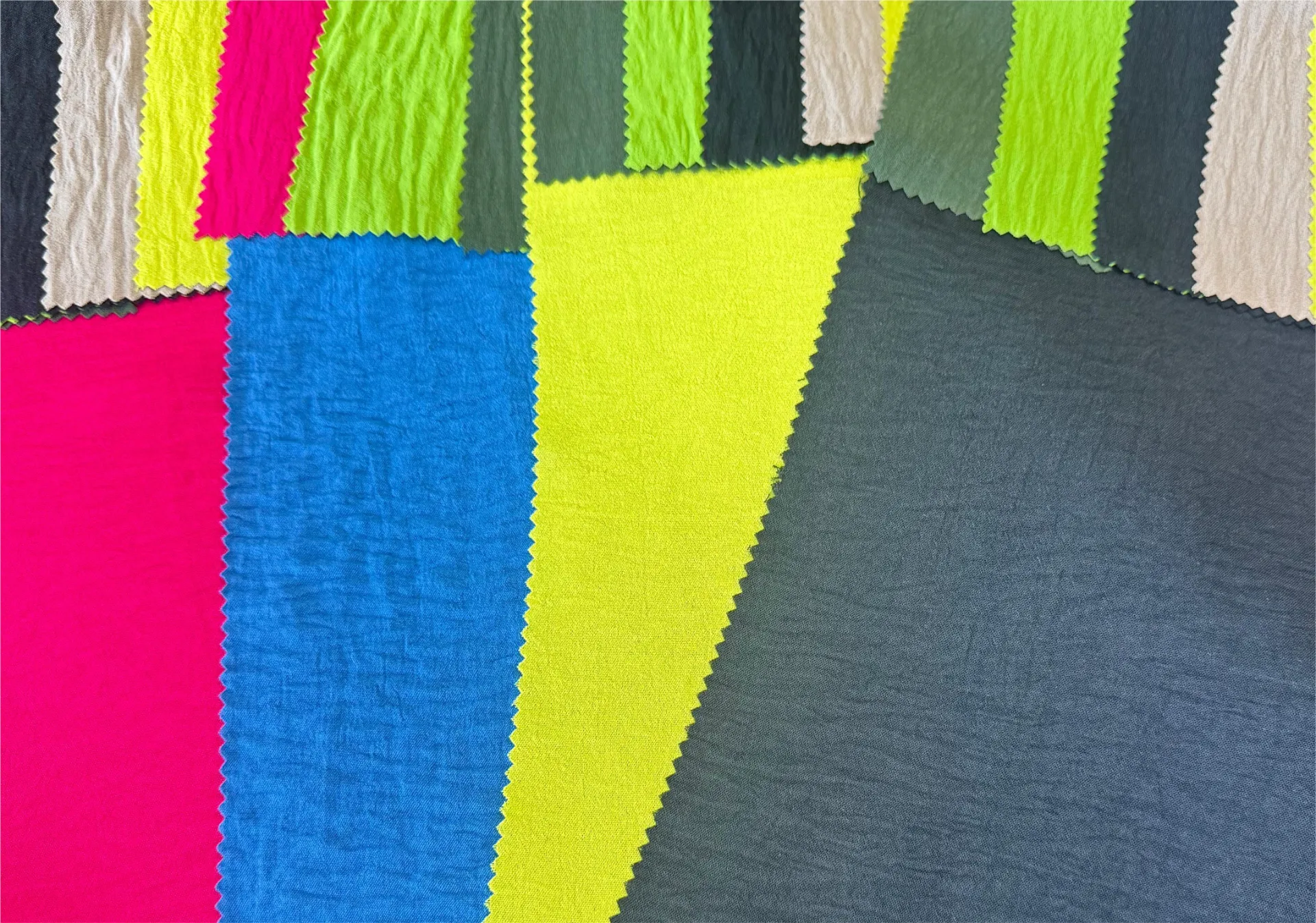
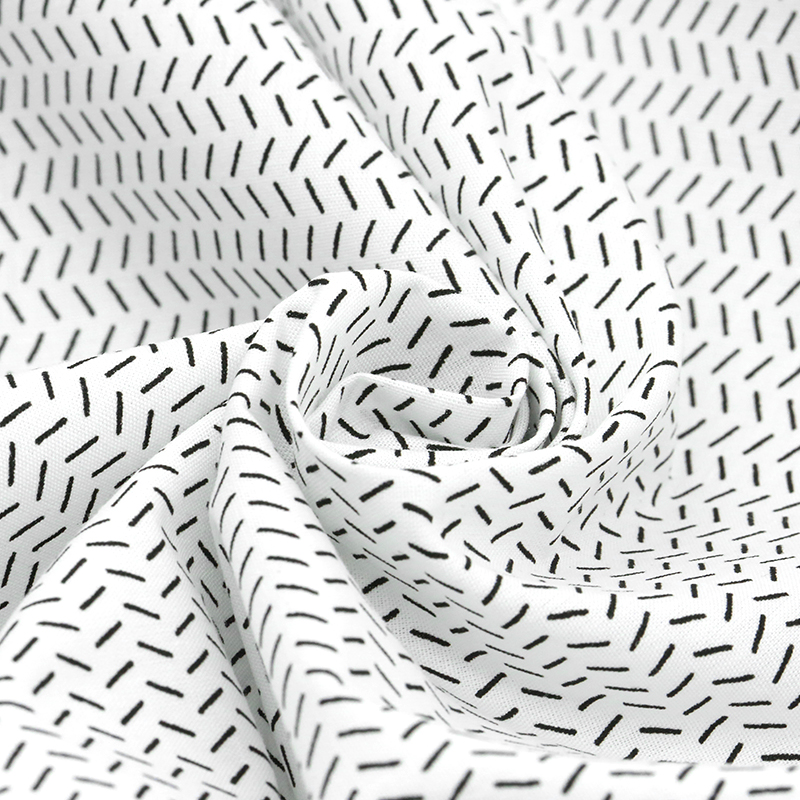
Papua New Guinea's textile market is heavily influenced by its equatorial climate. The extreme humidity and heat necessitate fabrics that prioritize moisture-wicking and breathability, making the demand for plain shirt fabric exceptionally high for daily corporate and casual wear.

Currently, the local industry relies significantly on imports. There is a growing shift towards specialized materials like plaid uniform material for educational and governmental institutions, which require a balance between formal aesthetics and the durability needed for rugged terrains.

Logistical challenges across the Highlands and coastal regions mean that fabric stability is crucial. Manufacturers are now seeking polyester wax fabric to provide enhanced water resistance and protection for industrial workwear in the mining and forestry sectors.
Evolution of Cotton Spinning and Dyeing in Oceania

From basic weaving to high-tech synthetic blends.

Market Development History

In the late 20th century, the PNG textile sector focused primarily on traditional cotton weaving and basic dyeing. The focus was on utility, with a limited range of textures and low elasticity, serving mostly basic clothing needs.

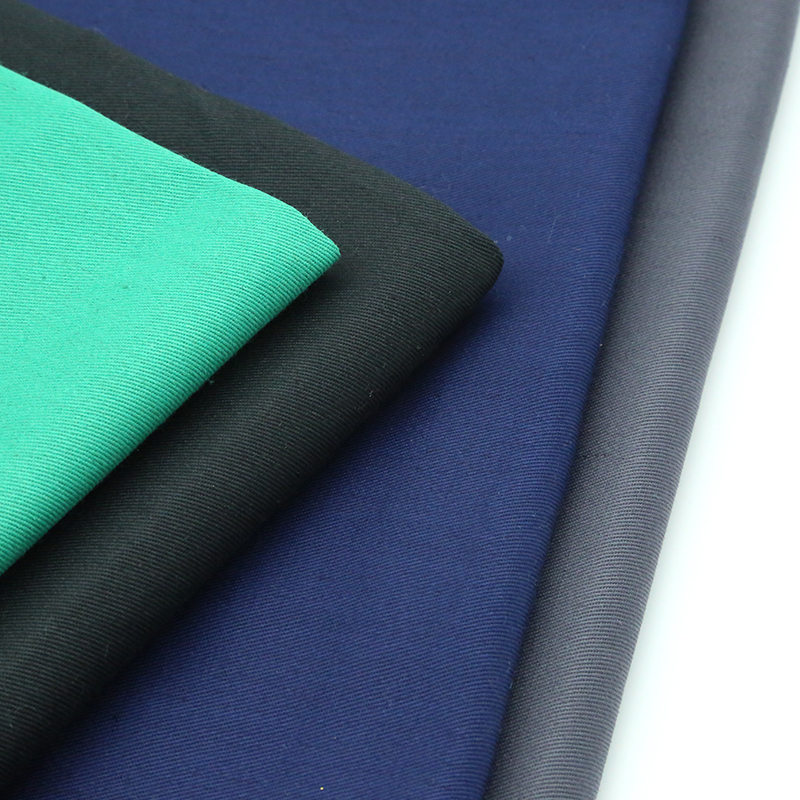
Between 2005 and 2015, the introduction of blended fibers transformed the market. The integration of stretch spandex fabric allowed for the development of activewear and form-fitting uniforms, marking a transition from rigid structures to ergonomic designs.

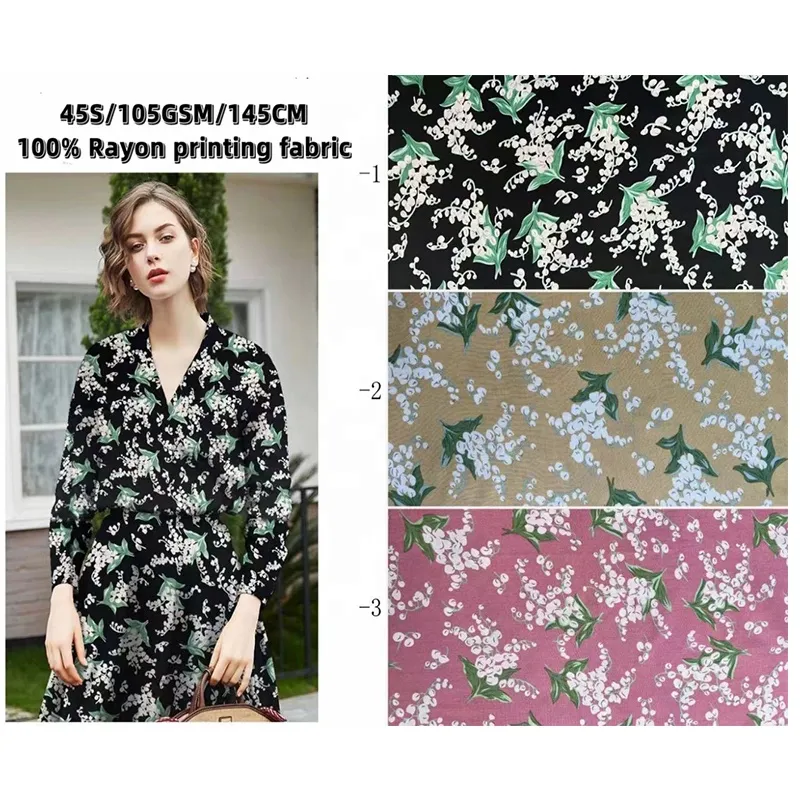
From 2016 to the present, the focus has shifted toward "smart finishing." Advanced dyeing and finishing techniques now ensure that fabrics can withstand the intense UV radiation and high precipitation levels characteristic of the Oceania region.

Future Development Trends

Sustainable Fiber Sourcing

A move toward organic cotton and recycled polyester to reduce the environmental footprint in the fragile ecosystems of Papua New Guinea.

Anti-Microbial Finishing

Integration of silver-ion and zinc treatments to prevent mold and odors in high-humidity environments.

Precision Elasticity Control

Advanced spinning techniques to optimize the ratio of cotton to elastane for superior shape retention in tropical climates.

Industrial Trends and Future Outlook

Strategic projections for the PNG textile supply chain.

Eco-Friendly Dyeing
Transitioning to low-water consumption dyeing processes to protect PNG's river systems.
Hyper-Stretch Tech
Developing next-gen blends that maintain elasticity under high heat and humidity.
UV-Shielding Finish
Integrating UV-reflective coatings to prevent fabric degradation under tropical sun.
Digital Weaving
Adopting AI-driven weaving to minimize waste and create custom patterns for local markets.

Industry Outlook

Based on Google search trends for Oceania, there is a significant increase in queries regarding "sustainable workwear" and "breathable uniforms." This indicates a shift toward functional textiles that balance professional appearance with thermal comfort.

Over the next 3-5 years, we expect the Papua New Guinea market to move toward a hybrid model of localized finishing and global sourcing, focusing on high-performance blends that reduce the need for frequent replacement.

Localized Application Scenarios in PNG

Practical deployments of textile solutions in real-world PNG environments.

1. Corporate Office Wear in Port Moresby

Using lightweight plain shirt fabric to provide professional attire that prevents overheating during humid business days.

2. Education Sector Uniforms

Implementing durable plaid uniform material for students, ensuring long-term wear resistance in diverse school environments.

3. Athletics and Sports Gear

Utilizing stretch spandex fabric for national sports teams to maximize range of motion and moisture management.

4. Mining and Industrial Safety

Deploying polyester wax fabric for outerwear used in the gold and copper mines to repel water and oil.

5. Medical and Health Scrubs

Applying high-breathability cotton spandex for healthcare workers to ensure comfort and flexibility during long shifts.

Brand Story

Global Development History of Hebei Niuyuan Technology Co., Ltd.

Foundational Excellence

Started with a commitment to precision cotton spinning, mastering the art of fiber blending for global durability.

Technological Expansion

Integrated advanced dyeing and finishing equipment to solve common fabric shrinkage and fading issues.

Global Market Reach

Expanded operations into Oceania, tailoring textile properties for the specific humidity of Papua New Guinea.

Innovation Hub

Established an R&D center focused on eco-friendly polymers and high-stretch synthetic blends.

Future Commitment

Leading the industry toward a sustainable, circular textile economy through recycled fiber technology.

Textile FAQ for the PNG Market

Answers to common technical and sourcing questions.

Which plain shirt fabric is best for Port Moresby's humidity?

We recommend lightweight, high-twist cotton blends that offer maximum breathability and fast-drying properties to combat tropical moisture.

How durable is the plaid uniform material for rural school use?

Our plaid materials are reinforced with high-density weaves, ensuring they resist abrasion and maintain color vibrancy despite frequent washing.

Does stretch spandex fabric lose elasticity in high heat?

Our specialized heat-stabilized spandex blends are engineered to maintain shape recovery even in extreme equatorial temperatures.

What are the advantages of cotton spandex for medical wear?

It provides the soft, natural feel of cotton with the necessary flexibility of spandex, allowing medical professionals to move freely.

Is polyester wax fabric suitable for PNG's rainy season?

Yes, the wax finish provides a hydrophobic layer that effectively repels heavy rain, making it ideal for outdoor industrial work.

How to prevent mold on fabrics in the Highlands region?

We offer anti-fungal finishing treatments during the dyeing process that prevent mold growth in damp, high-altitude environments.

Ready to Upgrade Your Textile Supply Chain?

Providing premium cotton spinning and finishing solutions across Papua New Guinea. Contact us for customized fabric specifications.

Contact Us Now
  • Jack

    Jack

    Whatsapp: Linda

You have selected 0 products