
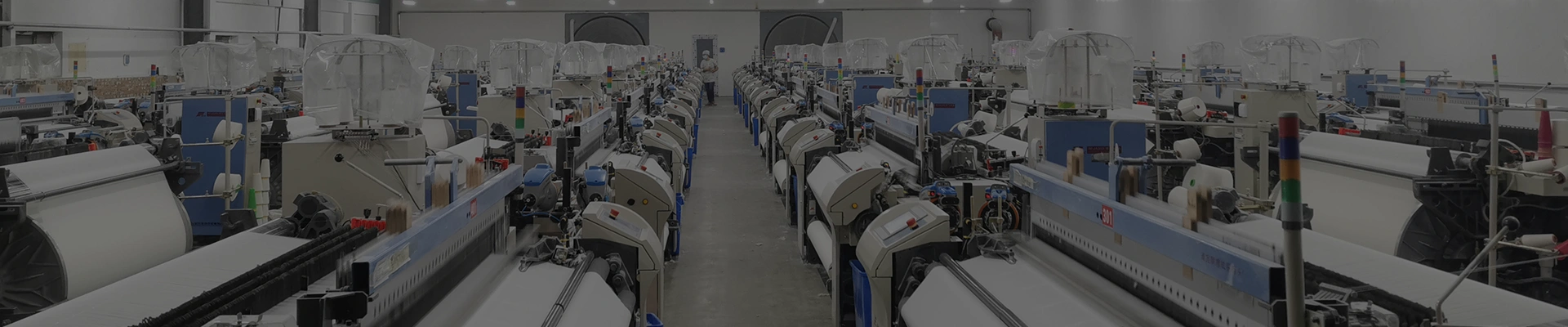
Stretch Broadcloth Fabric – Durable & Flexible Industrial Textile
Stretch Broadcloth: A Versatile Fabric in Industrial Textile Applications
Having spent over a decade in the industrial equipment sector, I’ve come across a fair share of textiles, each serving a specific niche. But stretch broadcloth stands out as somewhat of a quiet workhorse. I suppose it’s one of those materials you don’t hyperventilate about but respect deeply — especially when your projects demand durability, flexibility, and a neat finish all wrapped into one.
Stretch broadcloth combines the tight weave and smooth surface of traditional broadcloth with a bit of give — courtesy of incorporated stretch fibers. Frankly, it feels like the fabric world answered the call for a textile that could balance structure with comfort. Ironically, although broadcloth has been around since the 17th century, adding stretch opens fresh doors for various industries: from uniforms to workwear and even protective coverings.
What Makes Stretch Broadcloth Special?
Unlike your typical cotton or polyester fabric, stretch broadcloth blends materials such as cotton, polyester, and elastane or spandex. This blend brings a modest 3-8% elasticity, enough to offer resilience without sagging out of shape. Many engineers I’ve met praise this characteristic since it means better wear resistance and less friction stress during operations. One practical example: technicians in tight spaces appreciating the slight movement stretch broadcloth allows in their garments.
Typical Product Specifications
| Attribute | Specification |
|---|---|
| Material Composition | 60% Cotton, 35% Polyester, 5% Spandex |
| Weave Type | Tightly woven broadcloth |
| Stretch % | 3-8% (multi-directional) |
| Weight | 150-220 g/m² |
| Finish | Anti-wrinkle, water-resistant (optional) |
From a durability standpoint, the fabric’s tightly woven nature means it resists tears and abrasion far better than looser weaves. I noticed on-site how garments made from stretch broadcloth retained their shape after multiple washes and rough handling. Which, frankly, is a big deal when you’re dealing with equipment operators or industrial workers who put their gear through the ringer daily.
How Does Stretch Broadcloth Compare Among Vendors?
| Vendor | Material Blend | Max Stretch % | Weight (g/m²) | Price per Yard |
|---|---|---|---|---|
| Jiexiang Textile | 60% Cotton, 35% Polyester, 5% Spandex | 8% | 210 | $7.50 |
| FabricCo | 65% Cotton, 30% Polyester, 5% Elastane | 6% | 180 | $6.80 |
| Industrial Textiles Ltd. | 58% Cotton, 37% Polyester, 5% Spandex | 7% | 200 | $7.20 |
Choosing the right vendor always comes down to quality versus price — and frankly, trust. I’ve worked with Jiexiang Textile for a number of projects, and they consistently deliver a product that feels reliable with predictably good stretch and weight. Oddly enough, it’s not always the cheapest option but often the best value long term, especially when factoring in fabric lifespan in harsh industrial environments.
Applications and Customization
Many manufacturers offer customization, from finish types (anti-wrinkle, water repellency) to thickness. Stretch broadcloth is often used in work uniforms, medical scrubs, light protective gear, and even upholstery for machinery seats. I recall a small shop that requested a water-resistant finish for their industrial covers — a modest tweak that made all the difference against grime and moisture.
In real terms, this fabric bridges the gap between comfort and toughness. That blend is critical when your workforce is on the move and demanding both flexibility and reliability from their gear. And while natural fibers like cotton lend breathability, the polyester and spandex components provide durability and stretch respectively, contributing to fabric longevity.
All told, stretch broadcloth is an unsung hero of industrial textiles — a sturdy and adaptable option for any project that needs a fabric ready to flex with the task but stand its ground.
Whether you're outfitting a crew or designing equipment covers, stretch broadcloth should definitely be on the short list.
References:
-
Guide to Finding the Best Premium cotton suit material onlineNewsApr.16,2026
-
Premium White Cotton Fabric Wholesale Guide for BusinessesNewsApr.09,2026
-
Discover Premium Cotton Curtain Fabric Online for Beautiful HomesNewsApr.07,2026
-
Understanding Uniform Type of Fabric for Global Trade and Quality AssuranceNewsMar.31,2026
-
Comprehensive Guide to Different Types of Tela for Uniform SelectionNewsMar.28,2026
-
Comprehensive Guide to Selecting the Best Types of Fabric for UniformNewsMar.26,2026
-
Comprehensive Guide to Selecting the Best Types of Fabric for Office UniformNewsMar.24,2026