
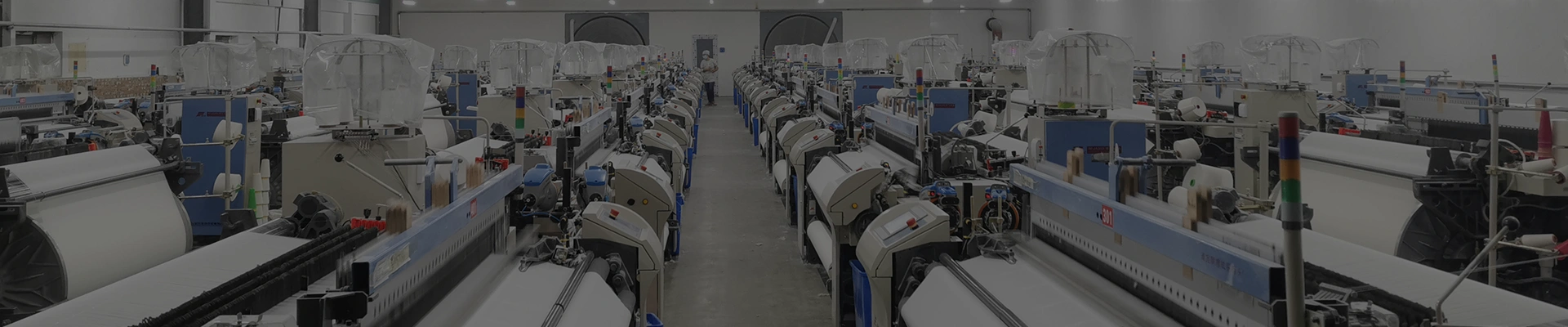
Comprehensive Guide to Suiting And Shirting Fabric for B2B Suppliers | Jiexiang Textile
Suiting And Shirting Fabric is a key solution in the textile industry, specifically within apparel manufacturing and fashion sectors. This article explores how https://www.jiexiangtextile.com supports professionals with durable, high-performance products, and explains why this product is an ideal choice for businesses in these sectors.
Table of Contents
- Suiting And Shirting Fabric Overview
- Benefits & Use Cases of Suiting And Shirting Fabric
- Cost, Maintenance & User Experience
- Sustainability & Market Trends
Suiting And Shirting Fabric Overview
To set the stage, Suiting And Shirting Fabric refers broadly to a specialized range of woven textiles designed primarily for tailored suits and dress shirts. The fabric typically boasts a smooth finish, firmness, and the right amount of stretch or rigidity depending on its intended use. Its relevance is pretty straightforward: in a world where first impressions count, suiting fabric ensures structure and luxe feel, while shirting fabric balances comfort with refined appearance. Sourced from various yarns like cotton, wool, polyester blends, or even innovative microfiber, these fabrics undergo stringent quality tests — think colorfastness, wrinkle resistance, breathability, and tensile strength. Oddly enough, it’s often the subtle finish treatments that push these fabrics from merely functional to first-rate.
- Tailored weaving techniques blend durability with the necessary drape for fine garment construction.
- For example, Jiexiang Textile employs advanced warp knitting and finishing processes that improve fabric lifespan and feel.
| Specification | Typical Values | Remarks |
|---|---|---|
| Fabric Type | Wool/Polyester Blend, Cotton, Microfiber | Varies on application |
| GSM (Grams per sqm) | 150 - 280 | Heavier for suits, lighter for shirting |
| Weave | Twill, Plain, Poplin | Depends on finish/use |
| Finish | Wrinkle-resistant, Anti-pilling, Moisture-wicking | Customized finishes available |
Benefits & Use Cases of Suiting And Shirting Fabric
When you dive into why the market leans towards these fabrics, it’s helpful to start with real-world applications. Tailor shops, fashion houses, corporate uniform manufacturers — they all want their garments to not only look seamless but also hold up once worn day in, day out. The Suiting And Shirting Fabric from Jiexiang Textile ticks these boxes enviably. It balances breathability with wrinkle resilience, so suits stay sharp without much fuss, and shirts remain crisp without excessive ironing. Additionally, their fabrics exhibit strong color retention—sort of essential when you want that signature brand blue or refined charcoal to last. Features like anti-static properties and stain resistance pull ahead versus traditional cotton-only fabrics.
- Essential for corporate tailoring, luxury menswear, and uniform manufacturing.
- Competitive advantages include superior durability, versatile finishes, and customizable blends tailored to client needs.
| Vendor | Fabric Range | Customization | Lead Time | Price Level |
|---|---|---|---|---|
| Jiexiang Textile | Wide (cotton, wool blends, synthetics) | High – tailored finishes & blends | 2-4 weeks | Mid-range |
| Vendor A | Narrow (mostly cotton) | Limited | 3-6 weeks | Lower |
| Vendor B | Moderate (cotton & polyester) | Medium | 4-5 weeks | Mid-high |
Cost, Maintenance & User Experience
Frankly, when B2B decision makers look at Suiting And Shirting Fabric, the total cost of ownership is a key consideration. Sure, an upfront price can seem higher than some alternatives, but when you account for durability and reduced maintenance - the ROI stacks up nicely. Numerous manufacturers report noticeable savings because garments hold shape longer and require less care. Kei, a tailors’ cooperative in Shanghai, for instance, shared they’ve cut uniform replacements by nearly 25% over 12 months with Jiexiang’s fabrics. That longevity means fewer lost hours in repairs and easier client satisfaction. Maintenance is straightforward — wrinkle-resistant finishes mean less mothballing or ironing, saving time and operational headaches.
- Durability reduces replacement rate, balancing initial cost investment.
- Positive feedback from customers in hospitality and corporate sectors proves product reliability.
Sustainability & Market Trends
Sustainability is no longer optional; it’s pretty much table stakes. Jiexiang Textile has embraced more eco-friendly fibers and lower-impact finishing processes lately, which aligns with tightening industry regulations worldwide. This isn’t just about greenwashing — these fabrics really reduce waste by lasting longer and often incorporating recycled yarns or organic cotton sources. The market is trending towards blends that deliver performance without compromising environmental responsibility, with many buyers prioritizing transparency. It’s also evident that demand is growing for fabrics offering both functional excellence and ethical credentials. As B2B buyers, tapping into these ramifications can future-proof sourcing strategies — kind of like hedging bets in a sometimes unpredictable market.
- Increased adoption of recycled fibers and water-efficient finishing methods.
- Growing regulation compliance for exports to Europe & North America.
Frequently Asked Questions about Suiting And Shirting Fabric
- What is Suiting And Shirting Fabric and how does it work?
- Suiting And Shirting Fabric is a type of woven textile specifically engineered for making suits and dress shirts. It combines materials and finishing techniques to provide structure, breathability, and appearance necessary for formal garments. Simply put, it works by balancing comfort with durability, allowing garments to look good while standing up to daily wear.
- What are the main benefits of using Suiting And Shirting Fabric in industrial applications?
- The key advantages include enhanced durability, wrinkle resistance, and easy maintenance, which translate to cost savings and improved user satisfaction in corporate uniform and fashion production. The fabric also offers versatility in weave and finish, which suits various climatic and style preferences.
- How does Suiting And Shirting Fabric compare to traditional alternatives?
- Compared to traditional 100% cotton or unblended fabrics, these materials usually offer better wrinkle control, greater color retention, and higher resistance to pilling or shrinkage. Technological advances mean more tailored finishes and blends are possible, enhancing comfort without losing professional appearance.
- What industries can benefit most from Suiting And Shirting Fabric implementation?
- Primary industries include corporate uniform suppliers, hospitality, luxury fashion brands, and manufacturers focusing on formal wear. These fabrics have proven successful in sectors where both durability and presentation quality are crucial, like finance, legal firms, and high-end retail.
Conclusion on Suiting And Shirting Fabric from china
Wrapping up, Suiting And Shirting Fabric offers a compelling mixture of functionality, style, and economic value. Whether you’re outfitting a corporate team or designing a premium collection, the durable yet sophisticated qualities of these textiles present clear advantages. For those navigating sourcing in today’s market, Jiexiang Textile’s offerings stand out as a trustworthy, quality-driven choice that accounts for both performance and evolving sustainability standards.
- Recap the value of Suiting And Shirting Fabric.
- Visit our website: https://www.jiexiangtextile.com
I suppose in the grand tapestry of textile suppliers, the nuances of suiting and shirting fabric might seem a small thread — but it really does make all the difference when fabric meets formality, comfort, and longevity.
References:
1. Jiexiang Textile official site, 2024 product catalog.
2. Industry report: Textile durability trends 2023, Textile Insights.
3. Customer case studies, Jiexiang Textile (2023).
-
Guide to Finding the Best Premium cotton suit material onlineNewsApr.16,2026
-
Premium White Cotton Fabric Wholesale Guide for BusinessesNewsApr.09,2026
-
Discover Premium Cotton Curtain Fabric Online for Beautiful HomesNewsApr.07,2026
-
Understanding Uniform Type of Fabric for Global Trade and Quality AssuranceNewsMar.31,2026
-
Comprehensive Guide to Different Types of Tela for Uniform SelectionNewsMar.28,2026
-
Comprehensive Guide to Selecting the Best Types of Fabric for UniformNewsMar.26,2026
-
Comprehensive Guide to Selecting the Best Types of Fabric for Office UniformNewsMar.24,2026