
Choosing the Right Type of Fabric for Uniforms A Comprehensive Guide
Choosing the Right Type of Fabric for Uniforms
Selecting the appropriate fabric is crucial when designing or procuring uniforms. The choice impacts comfort, durability, appearance, and cost. Different industries and roles demand different properties from their uniforms. This guide explores various types of fabric for uniforms, their advantages, and disadvantages, helping you make informed decisions. We'll delve into everything from cotton and polyester blends to more specialized materials designed for specific work environments.
Understanding Common Uniform Fabric Options
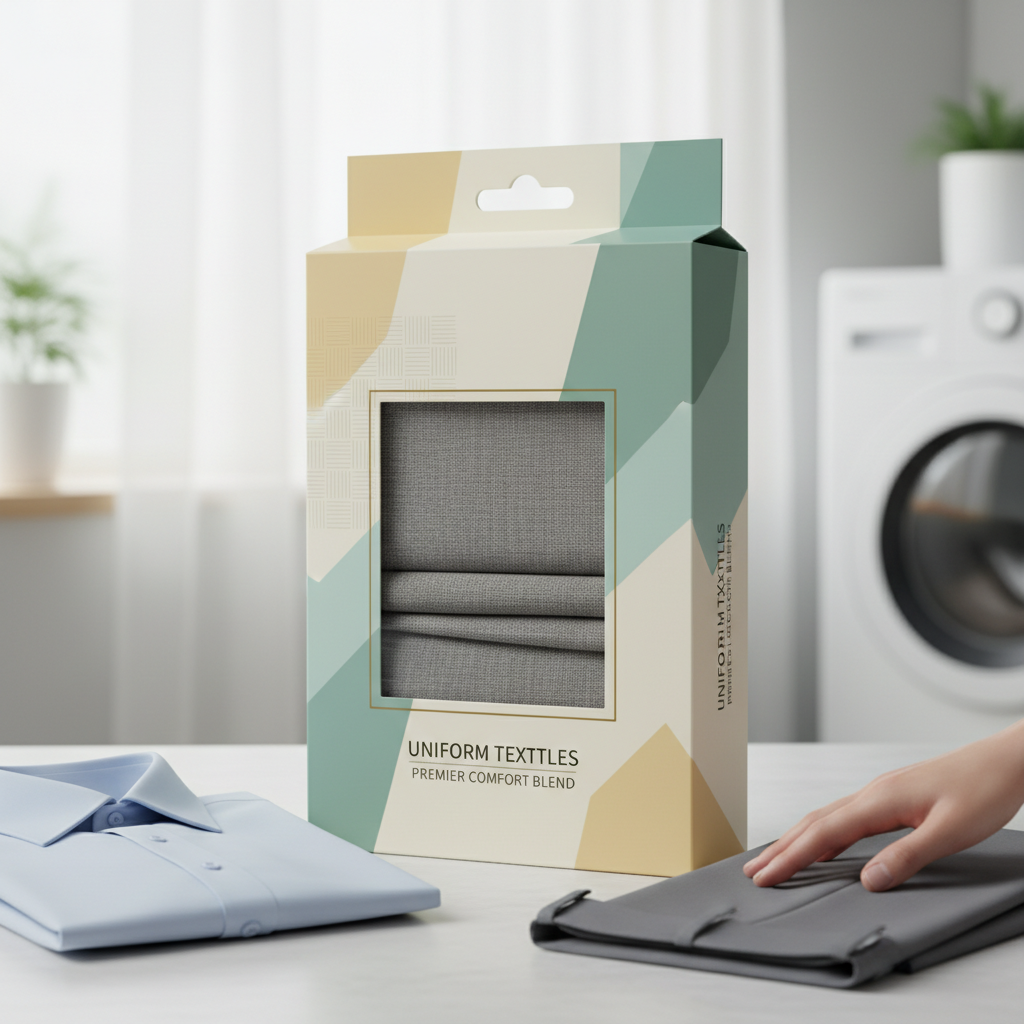
Many factors influence fabric selection for uniforms. These include the work environment (office, outdoor, industrial), required levels of comfort, safety regulations, and budget. Some of the most common fabrics include cotton, polyester, blends of the two, and more specialized options like twill, poplin, and ripstop. Understanding the characteristics of each is key to matching the fabric to the intended use. For example, a breathable cotton blend might be ideal for office wear, while a durable polyester ripstop would be better suited for construction or outdoor work.
Key Considerations: Durability, comfort, breathability, wrinkle resistance, cost, and ease of care are all vital factors when selecting uniform fabrics.
Cotton: Comfort and Breathability
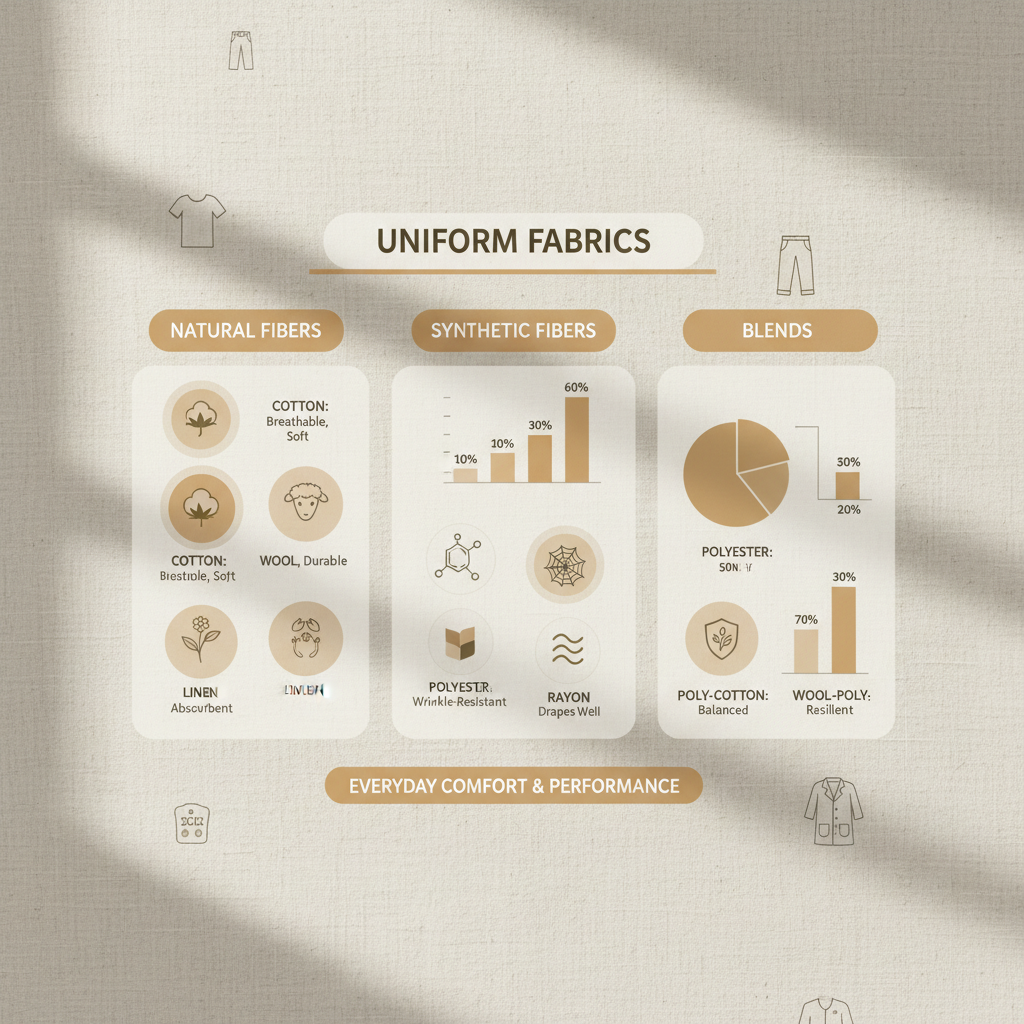
Cotton is a natural fiber known for its softness, breathability, and comfort. It’s an excellent choice for uniforms worn in warmer climates or for roles requiring prolonged wear. However, cotton wrinkles easily and doesn't offer the same level of durability or stain resistance as synthetic options. It also tends to shrink when washed. Cotton uniforms are often used in hospitality, healthcare, and some office environments.
Cotton Advantages:
• Highly breathable and comfortable
• Soft to the touch
• Relatively inexpensive
• Natural fiber – environmentally friendly
Polyester: Durability and Low Maintenance
Polyester is a synthetic fiber renowned for its durability, wrinkle resistance, and ability to retain its shape. It’s a popular choice for uniforms that need to withstand frequent washing and wear. While not as breathable as cotton, polyester offers excellent stain resistance and dries quickly. It's frequently used in workwear, sportswear, and uniforms for industries requiring a robust and easy-to-care-for fabric. Explore Jiexiang Textile’s polyester options for your uniform needs.
Fabric Blends: The Best of Both Worlds
Combining cotton and polyester offers a balance of comfort, durability, and cost-effectiveness. A common blend is 65% polyester and 35% cotton. These blends are wrinkle-resistant, easy to care for, and more durable than 100% cotton. They are widely used in a variety of uniform applications, including corporate wear, hospitality uniforms, and light-duty workwear. Choosing the right blend percentage will depend on the specific needs of the uniform.
Specialized Uniform Fabrics: Twill, Ripstop, and More
For more demanding environments, specialized fabrics like twill, ripstop, and denim are often preferred. Twill is a durable, woven fabric with a diagonal rib pattern, providing increased strength and resistance to abrasion. Ripstop is a lightweight yet incredibly strong fabric woven with a reinforced grid pattern, making it resistant to tearing. Denim is a robust cotton twill fabric known for its durability and rugged appearance. These fabrics are ideal for workwear, military uniforms, and situations where exceptional durability is required.
Conclusion: Choosing the Right Fabric for Your Needs
Selecting the right type of fabric for uniforms is a critical decision. Consider the work environment, the required level of durability, comfort, and cost when making your choice. By carefully evaluating these factors and understanding the properties of different fabrics, you can ensure that your uniforms meet the needs of your team and contribute to a professional and safe work environment.
Frequently Asked Questions (FAQs)
What is the best fabric for outdoor work uniforms?
For outdoor work uniforms, a polyester or polyester blend (like a poly-cotton ripstop) is generally the best choice. These fabrics are durable, water-resistant, and offer good protection from the elements. They also tend to be more resistant to fading from sun exposure. Cotton alone is not ideal for outdoor work as it absorbs moisture and can become heavy and uncomfortable when wet. Consider fabrics with UV protection for prolonged sun exposure.
How do I care for uniforms made from different fabrics?
Care instructions vary depending on the fabric. Always check the garment's care label. Cotton uniforms generally require washing in warm water and can be tumble dried. Polyester uniforms are typically more durable and can be washed in cold or warm water and tumble dried on low heat. Blends often follow similar instructions to polyester. Avoid using harsh detergents or bleach, as these can damage the fabric.
Are there any eco-friendly uniform fabric options?
Yes, several eco-friendly options are available. Organic cotton is grown without harmful pesticides or fertilizers. Recycled polyester is made from recycled plastic bottles, reducing waste. Other sustainable options include hemp and bamboo fabrics. These materials are becoming increasingly popular as businesses prioritize sustainability.
What is the difference between poplin and twill?
Both poplin and twill are woven fabrics, but they differ in their weave structure. Poplin has a simpler, tighter weave that results in a smooth, crisp fabric. Twill has a diagonal rib pattern, which makes it more durable and resistant to wrinkles. Poplin is often used for lighter-weight uniforms like shirts, while twill is favored for more robust applications like work pants.
-
Guide to Finding the Best Premium cotton suit material onlineNewsApr.16,2026
-
Premium White Cotton Fabric Wholesale Guide for BusinessesNewsApr.09,2026
-
Discover Premium Cotton Curtain Fabric Online for Beautiful HomesNewsApr.07,2026
-
Understanding Uniform Type of Fabric for Global Trade and Quality AssuranceNewsMar.31,2026
-
Comprehensive Guide to Different Types of Tela for Uniform SelectionNewsMar.28,2026
-
Comprehensive Guide to Selecting the Best Types of Fabric for UniformNewsMar.26,2026
-
Comprehensive Guide to Selecting the Best Types of Fabric for Office UniformNewsMar.24,2026