Top Professional Pocketing Fabric Manufacturers Guide
Finding a reliable source for pocketing materials requires a balance between structural integrity and wearer comfort. For garment manufacturers specializing in trousers, suits, and uniforms, the interior lining of a pocket is not merely a functional necessity but a critical component that determines the drape and durability of the final product. Whether selecting a lightweight 95GSM cotton blend for summer attire or a heavy-duty 320GSM fabric for industrial workwear, the technical specifications of the weave directly impact the garment's longevity.
The complexity of sourcing high-quality lining lies in the variety of compositions available, from 100% cotton to reinforced blends incorporating polyester. By focusing on specifications such as thread count, weight, and weave patterns—such as the common 3/1 twill—buyers can ensure that the fabric resists tearing under stress while remaining breathable. This guide examines the technical nuances of pocketing textiles and how integrated manufacturing capabilities ensure consistency across large-scale production runs.

Analyzing Technical Specifications of Cotton Pocketing Textiles
The performance of pocketing fabric is primarily dictated by its construction and weight. In the textile industry, the "GSM" (Grams per Square Meter) serves as the primary indicator of fabric density. For instance, a 320GSM fabric provides the robustness needed for heavy-duty cargo pants, whereas a 95GSM variant is ideal for lightweight linings in dress shirts or fine suits. The choice of yarn, such as OE 1010 or J6060, determines the smoothness and tensile strength of the material.
The weave structure further defines the fabric's utility. A 3/1 twill weave is frequently employed because it offers superior durability and resistance to creases compared to a plain 1/1 weave. When combined with specific widths—typically 56 to 58 inches—these fabrics allow for efficient cutting and minimal waste during the garment assembly process. Precision in spinning and weaving ensures that the fabric remains stable and does not shrink or distort after the dyeing and finishing stages.
- High-Density Options: 320GSM and 260GSM for reinforced workwear.
- Mid-Range Versatility: 180GSM to 240GSM for standard trousers.
- Lightweight Finishes: 95GSM to 130GSM for luxury and lightweight apparel.

Integrated Manufacturing and Quality Control Processes
Achieving consistency in large-scale textile production requires a fully integrated supply chain. By controlling the process from spinning and weaving to printing and dyeing, a manufacturer can eliminate the variances often introduced by third-party processors. The use of advanced cotton spindles and high-speed air jet looms allows for the production of millions of meters of grey and finished fabrics annually, ensuring that bulk orders maintain the same specification from the first roll to the last.
Quality control in pocketing textiles focuses on dimensional stability and color fastness. Standardized management practices ensure that bleached, dyed, and printed fabrics meet international standards. For B2B buyers, this integration means shorter lead times and more reliable product specifications. The ability to scale production using hundreds of shuttle and air jet looms allows for the flexibility to handle both high-volume standard orders and specialized functional fabric requests.
Application Scenarios and Buyer Selection Criteria
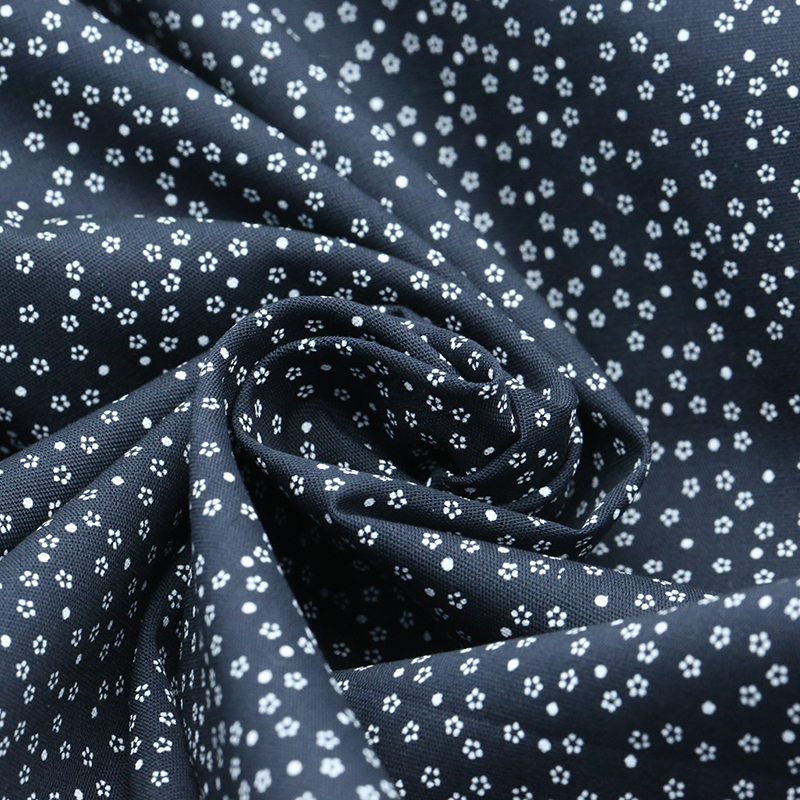
Different garment types demand specific pocketing characteristics. In the professional attire sector, the priority is often a smooth hand-feel and a clean drape, leading buyers toward 100% cotton fabrics with finer yarn counts (e.g., 5050 or 6060). Conversely, the outdoor and tactical gear markets prioritize abrasion resistance and strength, where heavier weights and specific weave densities are non-negotiable to prevent pocket failure during rigorous use.
When evaluating potential pocketing fabric manufacturers, procurement managers should look beyond the price point and analyze the technical capability of the plant. Key considerations include the manufacturer's experience in handling functional finishes and their ability to maintain stable cooperative relations across diverse global markets. A supplier's capacity to provide a wide range of grey, bleached, and dyed fabrics indicates a versatile production infrastructure capable of supporting various design cycles.
Technical Specification Comparison Matrix
| Composition/Yarn | Weave/Construction | Weight (GSM) | Typical Application |
|---|---|---|---|
| 100% Cotton OE1010+70D | 9238 3/1 Twill | 320GSM | Heavy Workwear / Cargo |
| 100% Cotton 1612+70D | 9038 3/1 Twill | 240GSM | Standard Trousers |
| 100% Cotton 3232+40D | 15661 3/1 Twill | 180GSM | Casual Chinos |
| 100% Cotton 4040+40D | 13372 1/1 Plain | 130GSM | Lightweight Linings |
| 100% Cotton J6060+40D | 14095 1/1 Plain | 95GSM | Fine Suits / Luxury |
Optimizing Procurement for Global Textile Supply Chains
Efficiency in garment production is heavily dependent on the synchronization of fabric delivery. For international buyers in North America, Europe, and Southeast Asia, the ability to source from a facility that handles multiple stages of production reduces the risk of quality drift. Procurement strategies should prioritize suppliers who employ standard management systems and possess the machinery—such as 40,000+ spindles—to ensure a continuous flow of material without bottlenecks.
Customization is another critical factor. The ability to request specific dyed colors or functional treatments allows brands to differentiate their products. By establishing long-term partnerships with manufacturers who understand the shifting demands of the global market, companies can better adapt to trends in sustainable textiles and high-performance materials while keeping costs reasonable through optimized production scales.
Future Trends in Lining and Functional Fabrics
The textile industry is currently shifting toward a more integrated online and offline sales network, reflecting a broader move toward digital procurement. In the realm of pocketing fabrics, there is an increasing demand for functional properties, such as moisture-wicking, anti-static, or reinforced ripstop characteristics. These innovations are driven by the need for garments that perform better in extreme environments or provide enhanced comfort for the end-user.
Furthermore, the emphasis on sustainable manufacturing is becoming a primary driver for selection. Advanced looms and modernized dyeing processes are being implemented to reduce water waste and chemical usage. As the industry evolves, the most successful partnerships will be those based on a mutual commitment to quality, thoughtful service, and the continuous improvement of textile engineering to meet the challenges of modern apparel design.
Frequently Asked Questions About Pocketing Fabrics
What is the ideal GSM for trouser pocketing fabric?
The ideal GSM depends on the garment type. Heavy-duty workwear typically requires 240-320GSM for durability, while standard casual trousers use 130-180GSM, and luxury suits prefer lightweight fabrics around 95-120GSM.
Why is a 3/1 twill weave preferred for pockets?
A 3/1 twill weave provides a denser structure than a plain weave, resulting in better tear resistance and durability, which is essential for areas of a garment that experience high stress and friction.
Can you provide 100% cotton pocketing in custom colors?
Yes, integrated manufacturers that handle their own dyeing processes can provide a wide variety of dyed fabrics to match specific brand requirements and pant colors.
What is the difference between grey fabric and finished fabric?
Grey fabric is the raw material straight from the loom, whereas finished fabric has undergone bleaching, dyeing, printing, or other chemical treatments to reach its final usable state.
How do I evaluate the quality of a textile manufacturer?
Evaluate their production capacity (number of looms and spindles), their integration of spinning and dyeing, their export experience in your region, and their adherence to standard management practices.
What width is standard for bulk pocketing fabric?
Most industrial pocketing fabrics are produced in widths of 56 to 58 inches, which is optimized for standard garment cutting patterns to maximize material yield.
Industry Technical References
- Textile World - Global Industry Insights
- Cotton Incorporated - Technical Cotton Standards
- ISO - International Standards for Textiles
- International Textile Manufacturers Federation
For professional procurement of high-density cotton linings and specialized pocketing textiles, partnering with an integrated manufacturer ensures the technical precision and supply chain stability required for global garment production.
Related Technical Articles