CEY Polyester Crepe vs 100 cotton fabric price Analysis
When sourcing high-performance textiles for contemporary womenswear, procurement managers often face a trade-off between aesthetic drape and structural durability. The CEY fabric, a specialized 100% polyester crepe, has emerged as a critical solution for designers seeking a "soft yet bright" finish that maintains its integrity through multiple wash cycles. Unlike standard synthetic weaves, CEY is engineered for high breathability and a smooth hand-feel, making it an ideal choice for lady dresses and scarves where fluid movement is essential.
Understanding the cost-efficiency of these materials is paramount for scaling production. While many buyers initially search for 100 cotton fabric price points, the shift toward CEY polyester offers significant advantages in color retention and wrinkle resistance. This transition allows brands to deliver premium-looking garments that are easier to maintain, combining the visual luxury of crepe with the industrial resilience of advanced polyester processing.

Technical Architecture of CEY Polyester Crepe and Its Material Advantages
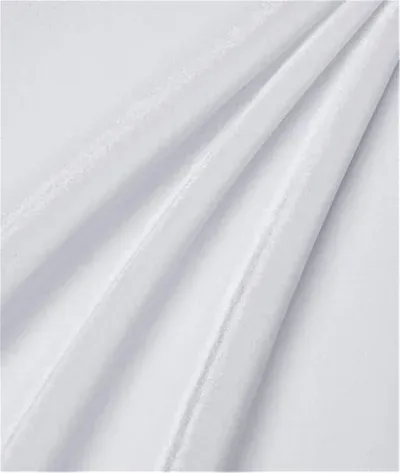
CEY fabric is a high-density polyester construction designed specifically to mimic the sophisticated texture of natural crepe while enhancing mechanical performance. The "CEY" designation refers to the specific twisting and heat-setting process that creates a unique, slightly pebbled surface. This structure is not merely aesthetic; it provides a natural elasticity and a "better hand-feel" that prevents the fabric from clinging uncomfortably to the skin, ensuring a professional drape for high-end apparel.
One of the standout technical features is the advanced dyeing process. By utilizing high-quality raw materials and precision temperature control during the dyeing phase, CEY fabric achieves vibrant, bright colors that are chemically bonded to the fiber. This ensures that the material does not fade easily, even after repeated cleaning. Furthermore, the high-density weaving process effectively eliminates the risk of "running lines" or snagging, which is a common failure point in lower-grade crepe fabrics.
- Breathability: Engineered for air permeability to keep the wearer cool.
- Skin-Friendly: Smooth finish that reduces irritation during prolonged wear.
- Dimensional Stability: High-density processing prevents shrinking or warping.
- Versatility: Compatible with both plain dyeing and intricate embroidery.

Optimizing Application: From Lady Dresses to Luxury Scarves
The application logic for CEY fabric centers on its ability to balance fluidity with form. In the production of lady dresses, the fabric's soft drape allows for elegant silhouettes—such as A-line or wrap dresses—that flow naturally with the body's movement. Because the fabric is 100% polyester, it resists the heavy creasing associated with natural fibers, meaning garments arrive at the retail shelf and remain on the customer's body in a crisp, polished state.
For scarf production, the CEY crepe offers a lightweight yet substantial feel. Its brightness enhances the visual impact of printed patterns, while the smooth edges prevent fraying during the cutting process. Designers frequently utilize CEY for scarves because it can be easily embroidered, allowing for the addition of luxury branding or decorative elements without compromising the fabric's structural integrity.
Beyond traditional fashion, the breathability and comfort of this material make it suitable for transitional seasonal wear. Whether used for a lightweight summer dress or a layered autumn scarf, the fabric's ability to regulate feel against the skin ensures it meets the demanding comfort standards of the modern consumer.
Strategic Sourcing: Balancing Performance and Procurement Costs
For global buyers, the decision to select CEY polyester over other materials often comes down to a total cost of ownership analysis. While natural fibers are prized for their origin, the maintenance costs and higher defect rates (such as shrinking or color bleeding) can inflate the final price of the garment. CEY provides a consistent, industrial-grade quality that reduces waste during the cutting and sewing phases, leading to higher yield per roll of fabric.
When evaluating suppliers, buyers should look for integrated manufacturing capabilities. A facility that handles everything from spinning and weaving to printing and dyeing can offer better quality control and more competitive pricing. By reducing the number of intermediaries, manufacturers can ensure that the high-density processing is consistent across large batches, which is critical for brands maintaining a global presence across multiple continents.
The commercial value of CEY lies in its "luxury look" at a scalable price point. It allows mid-to-high range brands to offer products that look and feel like expensive boutique crepe but are durable enough for everyday wear and easy care, effectively increasing the product's value proposition to the end consumer.
CEY Polyester Crepe vs. Traditional Textile Alternatives
| Evaluation Metric | CEY Polyester Crepe | Standard Polyester | Natural Crepe | Synthetic Blends |
|---|---|---|---|---|
| Color Retention | High (Fade Resistant) | Medium | Low (Prone to Fade) | Medium |
| Wrinkle Resistance | Excellent | High | Low | Medium |
| Hand-Feel/Softness | Premium Soft | Average | Very High | Medium |
| Breathability | High (Engineered) | Low | Very High | Medium |
| Production Yield | High (Low Waste) | High | Medium | Medium |
Manufacturing Excellence and Quality Assurance in Textile Production
Producing a high-grade CEY fabric requires a sophisticated infrastructure. The use of advanced cotton spindles and air jet looms ensures that the base weave is tight and uniform. In a professional setup, the integration of weaving and dyeing under one roof allows for rigorous testing of the "bright colors" mentioned in the specifications. This vertical integration ensures that each batch of fabric meets the same density and softness standards, regardless of the volume ordered.
Quality control for CEY involves multiple stages of inspection. First, the raw polyester fibers are vetted for purity to ensure no impurities affect the dye uptake. Second, the weaving tension is monitored to prevent the "running lines" that plague lower-quality fabrics. Finally, the finished fabric undergoes a color-fastness test to guarantee that the brightness remains intact after multiple cleaning cycles, providing the wearer with a garment that looks new for longer.
For international markets in North America, Europe, and Southeast Asia, consistency is the primary requirement. By relying on standard management and high-capacity production lines—such as those capable of producing millions of meters of finished fabric annually—manufacturers can guarantee that the fabric's "skin-friendly" and "breathable" properties are consistent across every yard delivered to the client.
Future Trends in Synthetic Crepes and Sustainable Procurement
The textile industry is shifting toward fabrics that offer "functional luxury." CEY fabric represents this trend by combining the high-end aesthetic of crepe with the functional benefits of synthetic durability. Looking forward, the focus is moving toward enhancing the moisture-wicking properties of polyester further, making CEY even more competitive against natural fibers in hot climates.
From a procurement perspective, the move toward online and offline integrated sales networks allows buyers to obtain samples and technical data more rapidly. This transparency enables designers to match the specific "hand-feel" of CEY to their collection's requirements before committing to large-scale production. As brands prioritize efficiency and lower return rates, the stability and low-maintenance nature of CEY fabric make it a strategic asset in the global supply chain.
Ultimately, the goal for modern apparel brands is to reduce the gap between luxury design and mass-market accessibility. CEY fabric achieves this by providing a high-density, breathable, and vibrant material that supports complex designs like embroidery while remaining cost-effective to produce and easy for the end-user to maintain.
Frequently Asked Questions About CEY Crepe Fabric
What exactly is CEY fabric and how does it differ from regular polyester?
CEY fabric is a specialized 100% polyester crepe that undergoes a unique twisting and heat-setting process. Unlike regular polyester, it has a distinct "pebbled" texture, superior drape, and is specifically engineered for higher breathability and a softer hand-feel, making it ideal for lady dresses.
Is CEY fabric suitable for embroidery and custom dyeing?
Yes, CEY fabric is highly versatile. It can be plain dyed to achieve bright, vibrant colors and is stable enough to support embroidery without puckering or damaging the high-density weave.
How does CEY fabric perform after multiple washes?
Due to a high-quality dyeing process and the inherent properties of advanced polyester, CEY fabric is designed to remain bright and resistant to fading even after multiple cleanings, maintaining its original luster and shape.
Can CEY fabric be used for garments in hot climates?
Yes, CEY is designed with strong breathability and a skin-friendly finish, which prevents the fabric from feeling stifling. This makes it a great choice for summer dresses and lightweight scarves in warmer regions.
What are the main procurement advantages of choosing CEY over cotton crepes?
The main advantages include significantly higher wrinkle resistance, better color retention, and lower maintenance for the end consumer. Additionally, it often provides a more consistent quality across large production runs compared to natural fibers.
Does CEY fabric tend to fray or develop "running lines"?
No, because it is produced using advanced high-density processing, CEY fabric is resistant to running lines and is much more durable than low-density synthetic alternatives.
Industry Technical References
- Textile World - Global Fabric Trends and Technical Standards
- International Textile Manufacturing Association - Polyester Processing Guides
- World Textile Institute - Material Performance Analysis
- ISO Standards for Textile Quality and Durability
Whether you are developing a new line of luxury lady dresses or sourcing high-durability scarves, selecting a material that balances aesthetics with industrial performance is key. CEY polyester crepe offers the perfect synergy of brightness, softness, and resilience for the modern global market.
Related Industry Insights