
Comprehensive Guide to Selecting Durable Plaid Uniform Material for Your Business
Choosing the Right Plaid Uniform Material: A Comprehensive Guide
When selecting fabric for uniforms, plaid uniform material offers a classic and durable option, popular in industries ranging from hospitality to education. Its distinctive pattern provides a professional look while offering resilience and easy maintenance. This article will guide you through the benefits, considerations, and applications of plaid fabrics, ensuring you make an informed decision for your uniform needs. Understanding the nuances of plaid fabrics, including weave, fiber content, and colorfastness, will help maximize the lifespan and appearance of your uniforms.
Benefits of Using Plaid Uniform Material
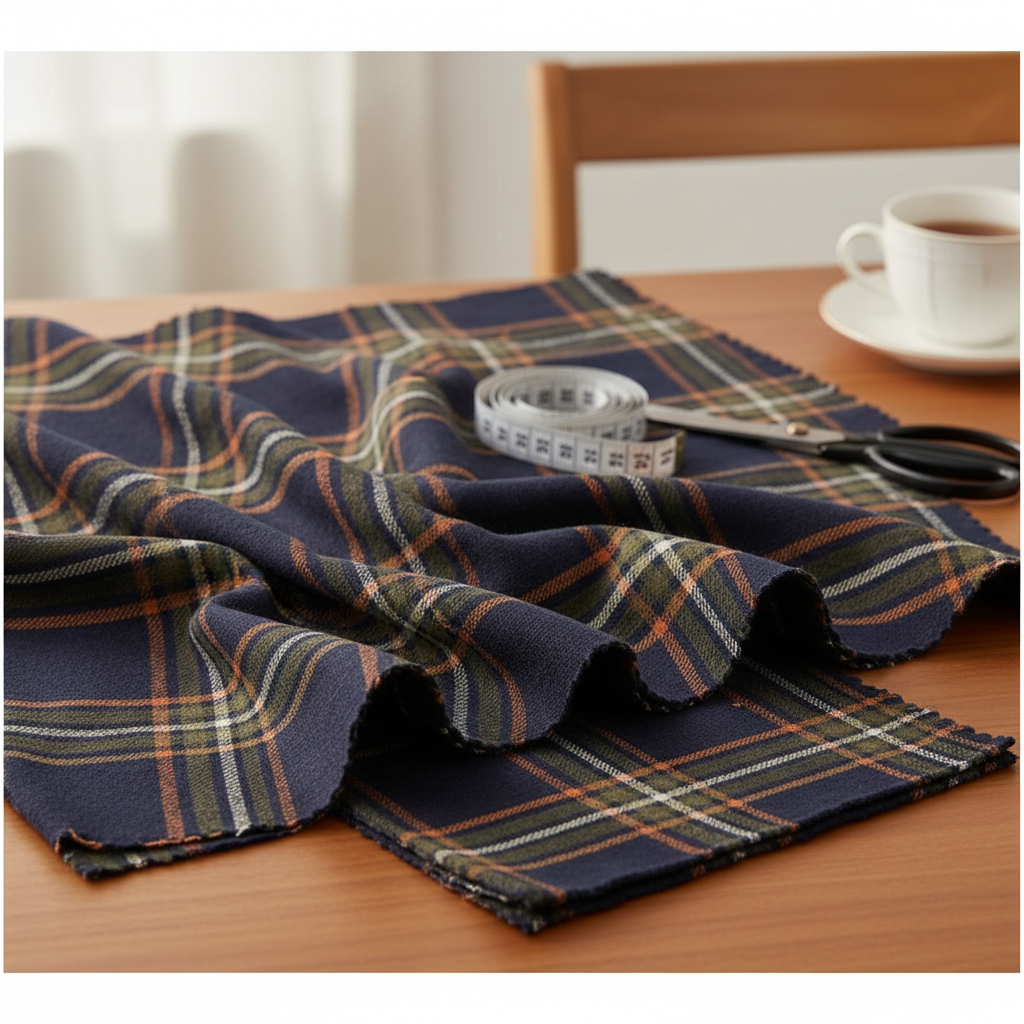
Plaid uniform material provides several advantages over other uniform fabrics. Firstly, the pattern effectively disguises minor stains and wear, extending the life of the garment. Secondly, plaid fabrics, especially those woven with durable fibers like polyester or cotton blends, are exceptionally resistant to tearing and abrasion. This is particularly important in roles that demand physical activity. The visual interest of a plaid design can also enhance brand recognition and create a more distinguished look for staff. Finally, a well-chosen plaid can communicate tradition, reliability, and a sense of community. Jiexiang Textile offers a wide range of plaid options to suit various aesthetic and functional requirements.
Key Highlights: Plaid’s ability to hide wear and tear, its durability, its impact on brand identity, and the wide variety of patterns available all contribute to its popularity for uniforms.
Understanding Different Plaid Patterns
The world of plaid is surprisingly diverse. Common patterns include tartan, gingham, and houndstooth, each offering a unique aesthetic. Tartan, historically associated with Scottish clans, features intersecting stripes of varying widths and colors. Gingham, characterized by its equal-sized check pattern, provides a more casual and playful appearance. Houndstooth, with its broken check design, presents a sophisticated and contemporary look. Choosing the right pattern depends on the desired image and the industry. For example, a traditional tartan might be suitable for a hospitality setting seeking a classic vibe, while a houndstooth plaid could be ideal for a modern corporate environment. Explore the pattern options available from Jiexiang Textile to find the perfect fit.
Plaid Pattern Types:
• Tartan: Intersecting stripes, often associated with Scottish heritage.
• Gingham: Equal-sized check pattern, casual and playful.
• Houndstooth: Broken check design, sophisticated and modern.
Choosing the Right Fiber for Your Plaid Uniform Material
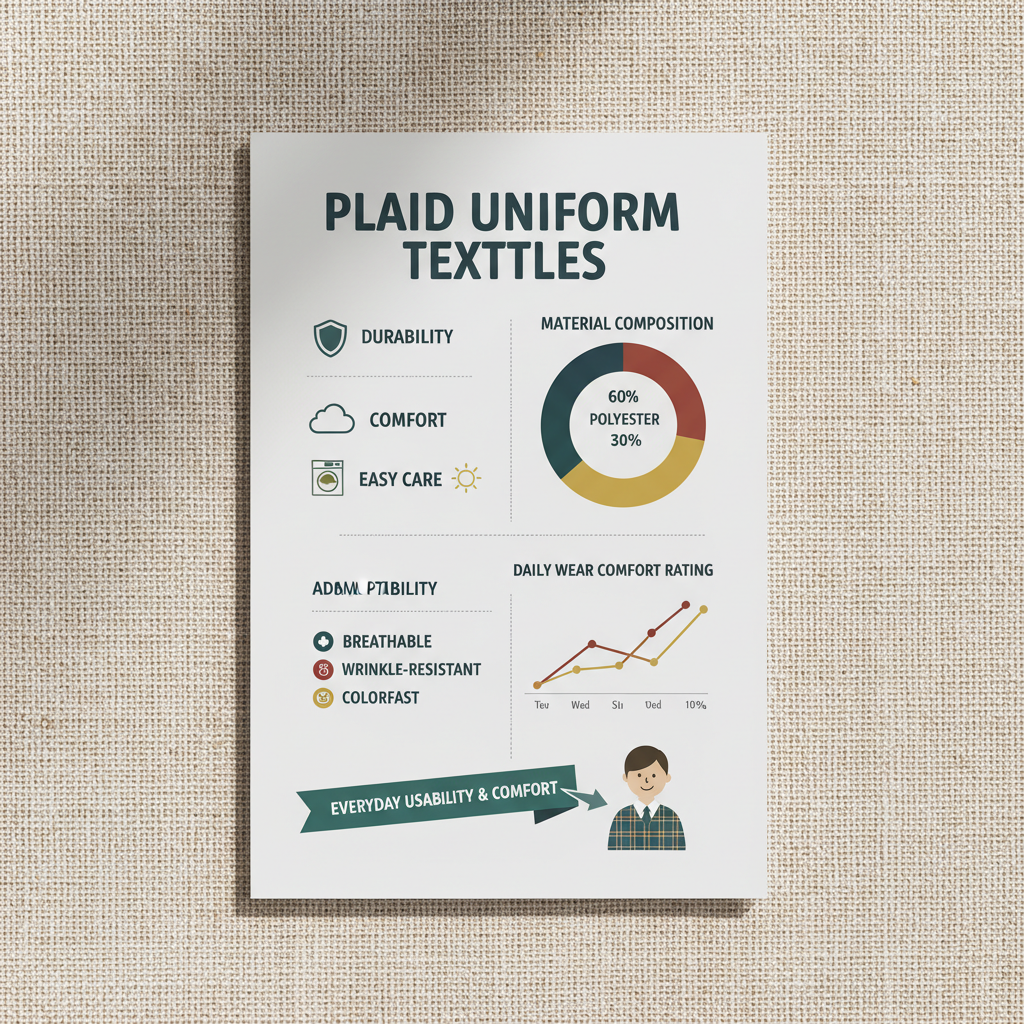
The fiber content of your plaid uniform material significantly impacts its performance and longevity. Cotton provides comfort and breathability, making it suitable for warmer climates. Polyester offers superior durability, wrinkle resistance, and colorfastness. Blends of cotton and polyester combine the benefits of both fibers, offering a balance of comfort, durability, and easy care. For demanding environments, consider incorporating rayon or other synthetic fibers for added strength and resilience. Jiexiang Textile offers a variety of fiber options to meet specific needs, including sustainable and eco-friendly choices.
Applications of Plaid Uniforms Across Industries
Plaid uniform material is a versatile choice for various sectors. Hospitality businesses, such as hotels and restaurants, often use plaid for a classic and welcoming aesthetic. Educational institutions may choose plaid for school uniforms to foster a sense of unity and tradition. Retail stores can utilize plaid to create a distinctive brand image. Healthcare facilities may incorporate plaid into scrub designs for a more approachable look. The adaptability of plaid makes it a suitable option for a wide range of professional settings.
Care and Maintenance of Plaid Uniforms
Proper care is crucial for maintaining the appearance and longevity of plaid uniform material. Always follow the care instructions on the garment label. Generally, machine washing in cold water with a mild detergent is recommended. Avoid using bleach or harsh chemicals, as these can fade the colors and damage the fabric. Tumble drying on low heat or hang drying is preferable to prevent shrinkage. Promptly addressing stains with a stain remover will help prevent them from setting. Regular ironing on a low setting can help maintain a crisp and professional appearance. Contact Jiexiang Textile for specific care advice related to the fabrics they offer.
Conclusion: Investing in Quality Plaid Uniforms
Choosing the right plaid uniform material is an investment in your brand’s image and your employees’ comfort and safety. By considering the pattern, fiber content, and care requirements, you can ensure that your uniforms are both stylish and durable. Jiexiang Textile provides a comprehensive selection of high-quality plaid fabrics to meet your specific needs.
Frequently Asked Questions (FAQs)
What is the best way to prevent color fading in plaid uniforms?
To minimize color fading, wash plaid uniforms inside out in cold water with a mild detergent. Avoid using bleach or harsh chemicals. When possible, hang dry the uniforms instead of using a tumble dryer. If ironing is necessary, use a low heat setting. Choosing fabrics with good colorfastness ratings, such as those offered by Jiexiang Textile, will also significantly reduce fading. Storing uniforms away from direct sunlight is also a best practice.
Are plaid uniforms suitable for all industries?
While plaid is incredibly versatile, its suitability depends on the industry's brand image and work environment. It's particularly well-suited for hospitality, education, retail, and healthcare. Industries requiring a highly formal or minimalist aesthetic might find plaid less appropriate. However, modern plaid patterns can often be incorporated into more contemporary uniform designs.
Can I order custom plaid designs from Jiexiang Textile?
Yes, Jiexiang Textile offers custom plaid design services. You can work with their design team to create a unique plaid pattern tailored to your brand’s colors and aesthetic preferences. This allows for a truly distinctive and personalized uniform solution. Contact them directly to discuss your custom design requirements and receive a quote.
What is the minimum order quantity for plaid uniform fabric?
The minimum order quantity (MOQ) varies depending on the fabric type, pattern, and customization requirements. It's best to contact Jiexiang Textile directly with your specific needs to receive a personalized quote and information about their MOQ. They are often able to accommodate both small and large orders, depending on fabric availability.
-
Guide to Finding the Best Premium cotton suit material onlineNewsApr.16,2026
-
Premium White Cotton Fabric Wholesale Guide for BusinessesNewsApr.09,2026
-
Discover Premium Cotton Curtain Fabric Online for Beautiful HomesNewsApr.07,2026
-
Understanding Uniform Type of Fabric for Global Trade and Quality AssuranceNewsMar.31,2026
-
Comprehensive Guide to Different Types of Tela for Uniform SelectionNewsMar.28,2026
-
Comprehensive Guide to Selecting the Best Types of Fabric for UniformNewsMar.26,2026
-
Comprehensive Guide to Selecting the Best Types of Fabric for Office UniformNewsMar.24,2026