
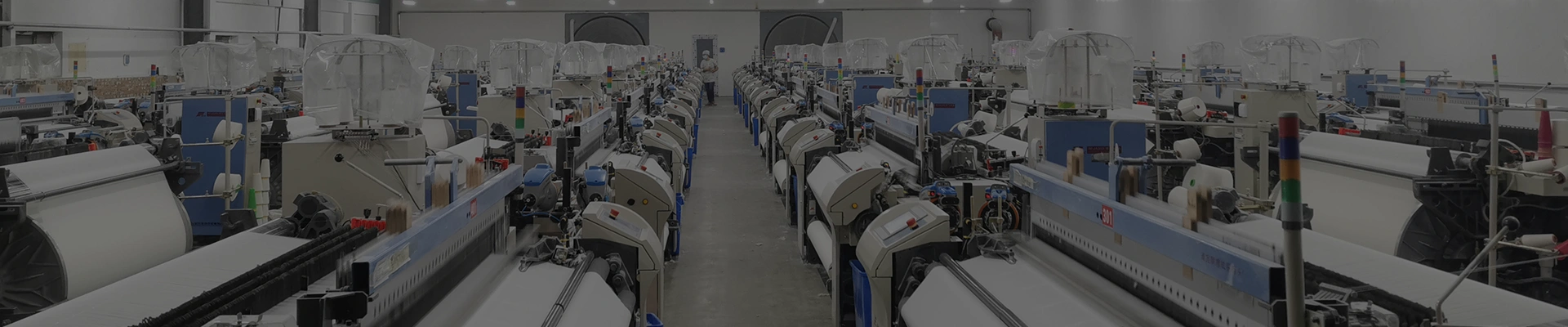
Understanding the Plain Weave Shirt: Global Applications and Benefits
Understanding the Plain Weave Shirt: An Everyday Textile Staple with Global Impact
At first glance, the plain weave shirt might seem like nothing more than a wardrobe basic—something you throw on without a second thought. But dig a little deeper, and you realize its significance extends far beyond fashion. Globally, plain weave fabrics form the backbone of sustainable apparel, mass production efficiency, and economic accessibility. This fabric structure isn't just a textile term; it's a crucial part of clothing supply chains feeding millions worldwide. Understanding the plain weave shirt reveals insights into manufacturing, cultural trends, and even humanitarian efforts.
Global Relevance of the Plain Weave Shirt
From Bangladesh textile mills fueling global exports to remote communities clothed through aid shipments, the plain weave shirt occupies a central role. The International Labour Organization estimates that the textile sector employs over 60 million people worldwide, many involved in producing plain weave fabrics (1). Meanwhile, the World Bank highlights how affordable garments made of durable fabrics contribute to economic empowerment in developing regions (2). But despite this scale, challenges around sustainable production practices and labor conditions persist. The plain weave shirt encapsulates both promise and problem—being a simple solution to clothing needs but also a spotlight on industry issues.
To put it bluntly, plain weave shirts matter globally because they balance cost, durability, and accessibility better than most alternatives. They're the quiet workhorses of the apparel world.
What Is a Plain Weave Shirt?
In essence, a plain weave shirt is made from fabric woven by interlacing threads in a simple over-one-under-one pattern—a checkerboard of yarns that produce a flat, tight, and strong fabric (3). This is the oldest and most basic weaving technique. The resulting fabric is balanced, durable, and less stretchy compared to twill or satin weaves. This simplicity yields several practical advantages: it handles dyes well, resists wear, and breathes decently.
So, in a way, a plain weave shirt represents a perfect intersection of tradition and industrial necessity. While modern technology has revolutionized fabric production, the plain weave structure remains essential, especially where reliability and cost-effectiveness matter most.
Key Components of the Plain Weave Shirt
1. Durability
The tight interlacing of warp and weft threads creates a tough fabric core. It stands up well to daily wear and repeated washing. This strength makes plain weave shirts a favorite in uniforms and workwear.
2. Breathability
Although denser than looser weaves, plain weave fabrics still allow air circulation, keeping wearers cooler in temperate climates. This factor adds to its versatility across regions.
3. Cost Efficiency
The weaving process is less complex, reducing manufacturing time and cost. Factories can produce plain weave shirts faster and at lower prices, making affordable fashion accessible.
4. Scalability in Production
Widely adopted machinery supports vast volumes of plain weave fabric production worldwide. This scalability fuels supply chains that meet global demand continuously.
5. Aesthetic Flexibility
Plain weave serves as a blank canvas for colors, prints, and finishes—whether it’s crisp cotton poplin or soft, brushed fabrics.
Plain Weave Shirt Specifications
| Specification | Details |
|---|---|
| Weave Type | Plain (over-one, under-one) |
| Common Materials | Cotton, polyester, linen blends |
| Thread Count | Typically 80–120 threads per inch |
| Weight | From light 90 gsm to heavier 150 gsm |
| Durability Rating | High (wear and tear resistant) |
Global Applications and Use Cases
Plain weave shirts are everywhere—whether in the professional uniforms of healthcare workers in sub-Saharan Africa, or the casual business shirts populating offices in Europe and North America. NGOs often supply plain weave fabric shirts in disaster relief because of their affordability and durability. For example, in post-disaster shelter programs, plain weave shirts help supply displaced populations with clothing suited for rough circumstances.
Industrial zones in Southeast Asia rely heavily on plain weave fabrics for uniforms that withstand factory conditions. On the flip side, in fashion capitals, designers leverage the plain weave’s crispness to create classic button-down shirts with a modern twist.
Vendor Comparison: Leading Plain Weave Shirt Manufacturers
| Vendor | Price per unit | Material Quality | Lead Time | Sustainability Credentials |
|---|---|---|---|---|
| Jiexiang Textile Co. | $4.50 | Premium cotton-polyester blend | 2 weeks | ISO 14001 certified |
| Global Fabrics Ltd. | $5.20 | Organic cotton | 3 weeks | GOTS certified |
| EcoWear Inc. | $6.00 | Recycled polyester blend | 1 week | Bluesign certified |
Advantages and Long-Term Value of Plain Weave Shirts
When I talk to industry experts, durability and simplicity always top the list of reasons why plain weave shirts continue to dominate. They’re inexpensive without sacrificing quality, which means companies can serve both high-end and mass markets effectively. The plain weave’s longevity also means less frequent replacement and thus a lower environmental footprint overall compared to flimsy fast fashion.
On the emotional side, it feels reassuring that people—from factory workers to office professionals—wear fabrics tested by time, literally woven from enduring principles. These shirts contribute to personal dignity and economic empowerment in subtle but powerful ways.
Future Trends & Innovations in Plain Weave Shirt Production
Innovations targeting sustainability and performance are shaping the future of plain weave shirts. Emerging bio-based fibers, smart textiles integrating sensors, and dyeing techniques using less water and chemicals are transforming production lines. Automation is also streamlining the speed and precision of plain weave fabrics, limiting waste.
For instance, digital weaving technologies could someday customize weave density for comfort zones in a single shirt—oddly enough marrying ancient weaving with modern demands for personalization.
Challenges & Solutions in Plain Weave Shirt Manufacturing
Despite its virtues, the plain weave shirt is not without challenges. It can lack stretch and contour, sometimes feeling rigid compared to alternative fabrics. Colorfastness depends heavily on finishing processes, and environmental impacts of production remain under scrutiny.
Solutions include blending with elastane or other fibers for flexibility, investing in non-toxic dye chemistry, and adopting certifications that guarantee responsible sourcing—such as ISO 14001 or GOTS (4). It’s a balancing act, but many manufacturers now strive to evolve while staying true to the plain weave's core strengths.
FAQ: Frequently Asked Questions About Plain Weave Shirt
- Q: What makes a plain weave shirt more durable than other fabric types?
A: The plain weave’s tight over-under interlacing pattern creates a stable fabric structure that resists tearing and abrasion better than many looser weaves. - Q: Are plain weave shirts environmentally sustainable?
A: They can be, especially when produced with organic or recycled fibers and eco-friendly finishing processes—certifications like GOTS help confirm such practices. - Q: Is a plain weave shirt suitable for hot climates?
A: Yes, the balanced weave allows reasonable breathability and moisture absorption, making it comfortable in warm environments with proper fabric choice. - Q: How can international buyers source plain weave shirts efficiently?
A: Partnering with certified vendors such as Jiexiang Textile Co. ensures quality, compliance, and streamlined logistics.
Conclusion & Call to Action
Ultimately, the plain weave shirt is far more than a basic clothing item—it’s a testament to textile tradition and industrial progress. Its worldwide adoption underlines its unmatched blend of affordability, strength, and versatility. Whether you’re a buyer, designer, or consumer, understanding its attributes can guide smarter choices for quality and sustainability.
Curious to explore options or source plain weave fabric shirts for your business? Visit Jiexiang Textile Co. for dependable products and expertise.
It really is these straightforward textiles that quietly keep the world moving, one shirt at a time.
Mini Takeaway: Plain weave shirts combine time-tested weaving simplicity with modern demands for durability and sustainability, making them indispensable worldwide.
References:
-
Guide to Finding the Best Premium cotton suit material onlineNewsApr.16,2026
-
Premium White Cotton Fabric Wholesale Guide for BusinessesNewsApr.09,2026
-
Discover Premium Cotton Curtain Fabric Online for Beautiful HomesNewsApr.07,2026
-
Understanding Uniform Type of Fabric for Global Trade and Quality AssuranceNewsMar.31,2026
-
Comprehensive Guide to Different Types of Tela for Uniform SelectionNewsMar.28,2026
-
Comprehensive Guide to Selecting the Best Types of Fabric for UniformNewsMar.26,2026
-
Comprehensive Guide to Selecting the Best Types of Fabric for Office UniformNewsMar.24,2026