
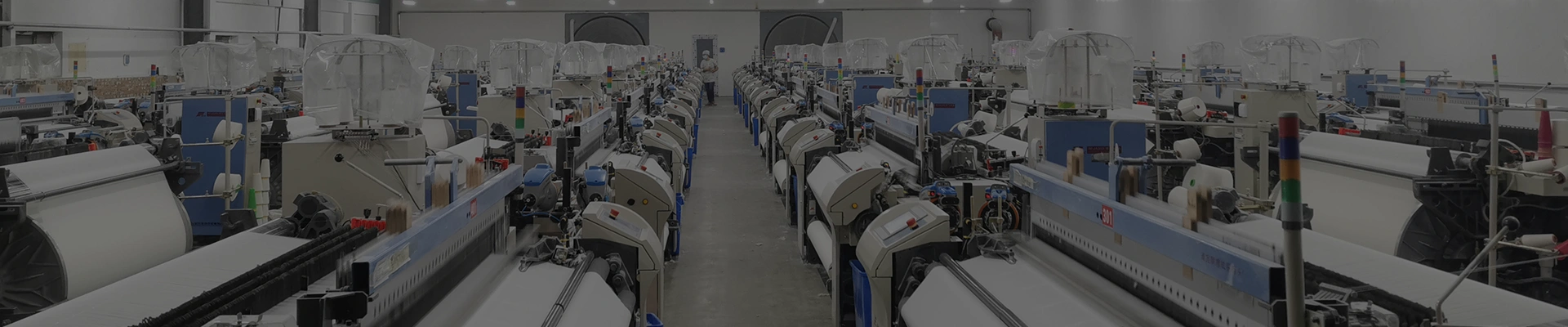
Leading Pocketing Fabric Manufacturers: Quality, Sustainability & Innovation
Understanding Pocketing Fabric Manufacturers: Why They Matter Worldwide
At first glance, the term pocketing fabric manufacturers might sound niche or purely industrial. But, they play a surprisingly pivotal role in how many garments, industrial products, and even humanitarian solutions come to life globally. From the shirt you’re wearing to complex technical textiles for industry, knowing about these manufacturers helps businesses appreciate quality, sustainability, and innovation behind the scenes.
Globally, the textile industry employs millions and forms the backbone of many economies. Pocketing fabrics specifically address a unique yet widespread need: durable, lightweight, and versatile inner linings and pocket constructions for all sorts of apparel and industrial goods. Understanding the manufacturers behind these fabrics links us to trade dynamics, environmental efforts, and evolving manufacturing technologies worldwide.
The Global Context: Pocketing Fabric Manufacturers in Today’s Industry
According to recent data by the International Textile Manufacturers Federation (ITMF) and corroborated by the UN’s industrial development outlook, textile production represents over 7% of global manufacturing output and supports billions of livelihoods. Within this, pocketing fabrics—those specialized textiles used primarily inside garments—hold substantial commercial importance.
However, challenges like material waste, fast fashion’s demand cycles, and sourcing consistency press manufacturers to innovate. How can we reliably produce pocketing fabrics that meet strict durability and comfort standards without burning through resources? This question echoes in boardrooms from Bangladesh to Italy to China—top hubs for textile production. To tackle these challenges, pocketing fabric manufacturers are at the forefront of research, developing materials that satisfy both industry scale and environmental responsibility.
Mini takeaway: The global textile industry highlights the strategic importance of pocketing fabric manufacturers to meet economic, environmental, and quality goals.
What Are Pocketing Fabric Manufacturers?
Simply put, pocketing fabric manufacturers produce the specific fabrics used inside pockets—those supportive liners you rarely see but always feel. These fabrics are engineered to be lightweight, yet tough enough to resist abrasion, tearing, and prolonged wear.
Think about the last time you reached into your jacket or trousers pocket and didn’t feel a snag or rip; that’s the quality coming from a reliable pocketing fabric producer. Beyond apparel, such manufacturers supply fabrics for industrial covers, luggage, and even medical textiles where performance is key.
These manufacturers often blend textile engineering, chemistry (think synthetic fibers like nylon or polyester), and advanced weaving or knitting techniques. Their work supports critical sectors like fashion, workwear, and humanitarian shelter solutions, since durable inner fabrics prevent failure in harsher conditions.
Mini takeaway: Pocketing fabric manufacturers specialize in tough, functional inner materials essential for durability and user comfort across industries.
Key Factors Influencing Pocketing Fabric Quality
1. Durability & Abrasion Resistance
Many engineers say the single most important quality of pocketing fabrics is how well they withstand friction and wear — after all, pockets handle an incredible amount of stress daily. High-tensile synthetic blends combined with tight weaves achieve this.
2. Breathability and Comfort
Though hidden, pocket fabrics can affect comfort by absorbing moisture and breathability levels. Manufacturers balance this by selecting fibers that wick sweat yet dry quickly.
3. Scalability and Production Consistency
Mass production demands manufacturers maintain consistent quality across millions of yards. Automation and strict quality controls are common.
4. Cost Efficiency
Competitive pricing while upholding standards is tricky but necessary to remain a preferred vendor in clothing supply chains.
5. Sustainability Initiatives
Increasingly, manufacturers incorporate recycled fibers or biodegradable fabrics to reduce environmental impact, aligning with global eco standards like ISO 14001.
Mini takeaway: Durability, comfort, scale, cost, and sustainability form the backbone criteria for evaluating pocketing fabric manufacturing.
Global Applications and Use Cases
The uses of pocketing fabrics stretch surprisingly far:
- Apparel Industry: The obvious one – jackets, pants, uniforms employ these fabrics to protect pockets and improve garment longevity.
- Industrial Gear: Protective clothing in manufacturing sectors requires reinforced inner pocketing for tools and devices.
- Medical Textiles: Lightweight, breathable fabrics help in hospital gowns or medical bags, aiding hygiene.
- Humanitarian and Disaster Relief: Surprisingly, pocketing fabrics contribute to lightweight emergency shelters and protective gear—essential in regions facing frequent natural disasters.
- Outdoor and Sporting Goods: Backpacks, tents, and even footwear may integrate these fabrics for durability.
Regions like Southeast Asia and Europe dominate production, but demand is global; African development agencies and North American manufacturers alike rely on these high-spec fabrics.
Mini takeaway: Pocketing fabrics power essential industries worldwide — from fashion to disaster relief, showcasing their diverse benefits.
Advantages and Long-Term Value of Trusted Pocketing Fabric Manufacturers
What makes investing in quality pocketing fabric worthwhile? Here’s the clincher:
- Cost Savings: Durable pockets mean garments last longer, reducing replacement cycles.
- Sustainability: Using long-lasting fabrics diminishes waste and supports environmental goals.
- Comfort & User Satisfaction: Improves garment usability — you don’t notice good pocket fabric until something goes wrong.
- Safety and Trust: Especially in workwear or relief gear, reliable fabrics can mean the difference between safety and injury.
Frankly, it feels like good pocketing fabrics are unsung heroes in both quality apparel and critical industrial sectors.
Product Specification: Typical Pocketing Fabric Example
| Specification | Value | Notes |
|---|---|---|
| Material | 65% Polyester / 35% Cotton | Blend for durability & comfort |
| Weight | 85 gsm (grams per square meter) | Lightweight yet strong |
| Weave | Plain / Ripstop option | Ripstop for stronger applications |
| Abrasion Resistance | >15,000 cycles (Martindale) | High durability |
| Colorfastness | Grade 4-5 (ISO standard) | Resists fading |
Comparing Top Pocketing Fabric Manufacturers
| Manufacturer | Main Materials | Sustainability Focus | Production Capacity | Global Reach |
|---|---|---|---|---|
| Jiexiang Textile Co. | Polyester/Cotton blend | Recycled fibers, ISO14001 | 200 million meters/year | Asia, Europe, Americas |
| TexPro Fabrics Ltd. | Nylon blends | Waste reduction tech | 150 million meters/year | Europe, North America |
| GreenWeave Textiles | Organic cotton/poly blends | Fully biodegradable | 80 million meters/year | Niche market focus |
Future Outlook: Innovations in Pocketing Fabrics
Looking ahead, the industry’s future feels exciting if not a little challenging. Advancements in nanotechnology and smart fabrics promise pocketing fabrics that could resist stains, self-repair tiny rips, or even integrate RFID tracking—crazy stuff if you think of it!
Simultaneously, sustainability drives push manufacturers toward eco-fibers (like recycled PET), waterless dyeing techniques, and fully circular production models. Digital transformation through AI-controlled looms and predictive defect detection is already in pilot stages.
By weaving technology and sustainability, pocketing fabric manufacturers can stay relevant, efficient, and responsible toward the planet — all while keeping our pockets snug and secure.
Common Challenges and How to Overcome Them
Despite these opportunities, many manufacturers wrestle with fluctuating raw material prices, supply chain disruptions (hello, pandemic delays), and meeting ever-tightening environmental regulations. Tough balancing act.
Innovations like vertical integration—controlling fiber to fabric production—and partnerships with logistic experts help smooth supply issues. Plus, leveraging real-time data analytics lets manufacturers tune production quickly to changing demand.
All in all, adapting is ongoing, requiring a mix of tech savvy, creativity, and solid vendor relationships.
FAQ: Common Questions About Pocketing Fabric Manufacturers
- Q: What sets pocketing fabrics apart from regular fabric?
- A: Pocketing fabrics are designed specifically for resilience and lightness inside garments or industrial goods, using special blends and weaving techniques to ensure durability without bulk.
- Q: How do pocketing fabric manufacturers impact garment sustainability?
- A: By producing longer-lasting fabrics and embracing recycled materials, they help reduce textile waste and carbon footprints in the apparel supply chain.
- Q: Can pocketing fabrics be customized for different applications?
- A: Absolutely. Manufacturers often tailor fabric blends, weight, colorfastness, or coatings to suit various industries like medical, apparel, or industrial gear.
- Q: How do I choose the right manufacturer for my business?
- A: Consider their production capacity, sustainability practices, quality certifications, and global reach. Request samples and factory audits when possible.
- Q: Are pocketing fabrics suitable for extreme environments?
- A: Many are! Specialized coatings and ripstop weaves allow these fabrics to perform well even under harsh weather, abrasion, or chemical exposure.
Conclusion: Investing in the Backbone of Durable Textiles
In a world obsessed with surface fashion and flash, pocketing fabric manufacturers quietly ensure that what’s inside holds up—and that’s no small feat. Their textiles provide shelter, utility, and longevity, stitching together the fabric of several industries.
Whether for mass market apparel or specialized industrial uses, the manufacturers who innovate in pocketing fabrics deliver products that last longer, feel better, and tread lighter on the planet.
If you're eager to explore trusted pocketing fabric manufacturers with strong sustainability credentials and global reach, check out Jiexiang Textile — they’re one of the industry leaders you can rely on.
Thanks for reading! The pocketing fabric world might not be glamorous, but it sure is essential.
References
-
Guide to Finding the Best Premium cotton suit material onlineNewsApr.16,2026
-
Premium White Cotton Fabric Wholesale Guide for BusinessesNewsApr.09,2026
-
Discover Premium Cotton Curtain Fabric Online for Beautiful HomesNewsApr.07,2026
-
Understanding Uniform Type of Fabric for Global Trade and Quality AssuranceNewsMar.31,2026
-
Comprehensive Guide to Different Types of Tela for Uniform SelectionNewsMar.28,2026
-
Comprehensive Guide to Selecting the Best Types of Fabric for UniformNewsMar.26,2026
-
Comprehensive Guide to Selecting the Best Types of Fabric for Office UniformNewsMar.24,2026