
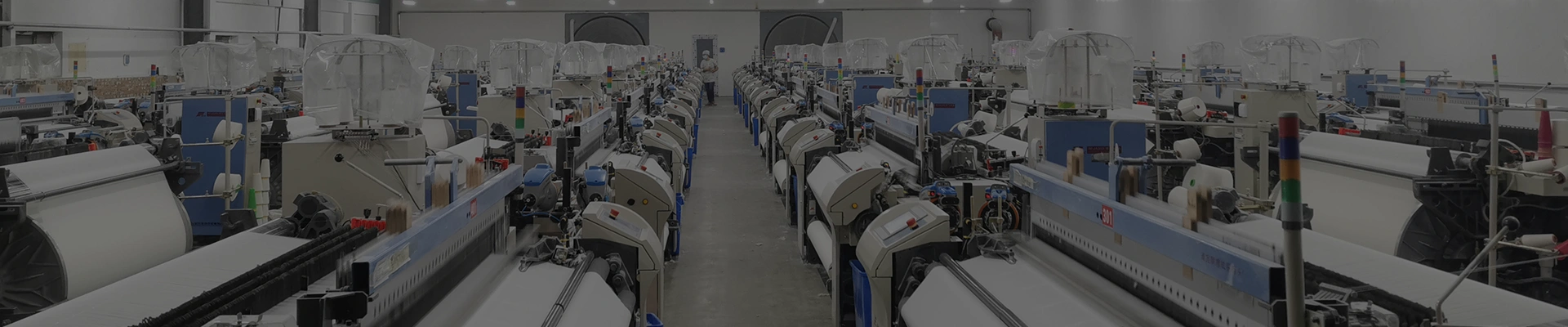
Thin Cotton Lining Fabric: Lightweight, Durable, and Sustainable Textile Solutions
Understanding Thin Cotton Lining Fabric: A Key Textile in Today's World
Thin cotton lining fabric might sound like just another material, but it's actually a quiet hero in many industries and everyday products. From clothing and upholstery to industrial applications, this lightweight textile offers a compelling mix of comfort, breathability, and durability. Globally, as consumers and manufacturers push for high-quality yet sustainable fabrics, understanding the nuances of thin cotton lining fabric becomes crucial. This fabric strikes a balance between function and economy, which is especially important in markets stretching from fashion capitals to remote humanitarian aid zones.
Global Context: Why Thin Cotton Lining Fabric Matters
In today's textile industry, thin cotton lining fabric holds a pivotal spot. According to the International Cotton Advisory Committee (ICAC), about 30% of global cotton consumption goes into lightweight textiles, including linings. This isn't just a fashion trend — it's a response to rising demands for comfort and sustainability worldwide.
Think about hot climates or delicate skin situations, where thick fabrics just won't cut it. Thin cotton linings provide a breathable second skin, reducing irritation and improving wearability. Plus, in the humanitarian sector, lighter fabrics help pack more into limited shipping space, making aid delivery more efficient. Of course, there are challenges related to production quality and durability, but the industry is evolving fast to overcome those.
Mini takeaway: Thin cotton lining fabric isn’t just a niche textile — it’s a strategic material responding to global demands for comfort, efficiency, and sustainability.
What Exactly is Thin Cotton Lining Fabric?
At its core, thin cotton lining fabric is a lightweight, finely woven cotton textile designed to be used as an inner layer or “lining” in garments, upholstery, and various sewn products. It is thinner than typical cotton fabrics used for outerwear but still maintains the softness and natural breathability that cotton is known for.
This fabric type is commonly used in tailoring to add structure, enhance comfort, and protect the outer material. Moreover, in industrial uses, it can serve as a lightweight protective barrier or backing layer. Modern manufacturing processes allow for a variety of finishes, from smooth to slightly textured, making it versatile for different needs.
Core Components & Key Factors of Thin Cotton Lining Fabric
1. Breathability
Perhaps the most important trait, thin cotton lining fabric allows air to flow freely. This helps regulate temperature, preventing overheating and moisture build-up — a big plus in activewear or summer clothing.
2. Durability Despite Thinness
Don’t let its delicate appearance fool you. High-quality thin cotton lining fabrics undergo rigorous weaving techniques and finishing processes to ensure they hold up under stress and washing cycles.
3. Softness & Comfort
Because it sits close to the skin, the fabric must be soft and non-irritating. The natural fibers in cotton make it hypoallergenic, ideal for sensitive skin—even babies or medical apparel.
4. Cost Efficiency
Using thin cotton lining fabric helps reduce the overall weight of garments without compromising quality. This means lower shipping costs and less raw material per product, an increasingly important factor in sustainable production.
5. Environmental Compatibility
Cotton is biodegradable and renewable, particularly when sourced from certified organic farms. This fabric type is often favored by brands focusing on eco-friendly labels and circular economy initiatives.
| Specification | Typical Value | Notes |
|---|---|---|
| Weight (GSM) | 40 - 80 | Lightweight, breathable |
| Fiber Content | 100% Cotton | Natural fibers, eco-friendly |
| Weave Type | Poplin, Plain Weave | Smooth surface, durable |
| Color | White, Off-white, Custom | Often dyed post-production |
| Shrinkage | 3-5% | Pre-washed to minimize |
Where Is Thin Cotton Lining Fabric Used Around the World?
Its applications stretch far beyond what you might expect. In fashion hubs like Italy, thin cotton lining fabric helps designers create structured yet breathable suits and dresses. In Asia, particularly countries like India and Bangladesh, factories use these linings en masse in affordable ready-to-wear collections, offering comfort at scale.
In humanitarian efforts, thin cotton linings play subtle yet vital roles. Non-governmental organizations (NGOs) often opt for cotton linings when producing durable yet comfortable garments or soft furnishings for temporary shelters. Such fabric choices impact the wellbeing of displaced individuals by reducing skin irritation and improving climate adaptability.
Similarly, in industrial zones — think automotive interiors or hospitality uniforms — this fabric is prized for its balance of durability and weight. It keeps things light without sacrificing function or feel.
Mini takeaway: From high fashion runways to disaster relief tents, the versatility of thin cotton lining fabric is hard to beat.
The Advantages and Long-Term Value of Thin Cotton Linings
- Cost Savings: Less fabric weight and volume translate to cheaper shipping and material costs.
- Sustainability: Natural fiber biodegradability reduces environmental footprint.
- Comfort & Health: Its breathability helps prevent skin problems and promotes wearer wellbeing.
- Reliability: Properly produced thin cotton fabric withstands repeated use and washing cycles.
- Emotional Impact: Wearing natural, soft fabrics often connects people emotionally to nature and tradition — fostering brand loyalty.
Staying Ahead: Future Trends & Innovations to Watch
Oddly enough, even this traditional fabric sees innovation. Advances like organic cotton, waterless dyeing techniques, and hybrid blends with recycled fibers make thin cotton lining fabric more sustainable and cost-efficient. Digital textile printing allows companies to customize linings with intricate patterns and brand identifiers, which many designers now demand.
In parallel, automation in textile manufacturing is reducing waste and improving precision. Standards like ISO 14001 for environmental management are guiding factories toward greener production — a crucial piece in the broader sustainability puzzle. These innovations mean more ethically sourced, durable, and beautiful thin cotton linings for consumers globally.
Challenges & Smart Approaches
Despite many pluses, thin cotton lining fabric faces hurdles like:
- Potential fragility if poorly manufactured
- Environmental concerns from conventional cotton farming (pesticides, water use)
- Higher cost for organic or sustainably produced variants
- Dyeing challenges due to light fabric nature
However, smart sourcing, blends with sustainable fibers like Tencel, and investments in better dyeing tech help manufacturers tackle these. Also, pre-shrinking and quality control ensure durability and performance. Many companies are turning to certifications like GOTS (Global Organic Textile Standard) and OEKO-TEX for better transparency.
| Supplier | Sustainability | Customization Options | Typical Lead Time | Price Range |
|---|---|---|---|---|
| Jiexiang Textile | GOTS Certified Organic Lines | Custom colors & GSM available | 4-6 Weeks | Mid-Range |
| PureCotton Mills | Conventional & Organic Mix | Limited GSM options | 6-8 Weeks | Budget Friendly |
| EcoLinings Ltd. | 100% Recycled Fibers Integration | Full Customization, Digital Prints | 5-7 Weeks | Premium |
FAQs About Thin Cotton Lining Fabric
1. What makes thin cotton lining fabric better than synthetic liners?
Thin cotton lining fabric stands out because of its natural breathability and hypoallergenic properties—not to mention its biodegradability. Unlike many synthetic options that trap moisture or cause skin irritation, cotton linings keep you cool, dry, and comfortable, especially for sensitive users or warm climates.
2. Can thin cotton lining fabric be used in industrial applications?
Absolutely. Many industries like automotive interiors, hospitality uniforms, and even medical textiles leverage thin cotton linings because of their lightweight durability and natural feel. It's a practical choice when you need a soft yet resilient inner layer that enhances comfort and product longevity.
3. How do I ensure colorfastness if I want dyed thin cotton lining fabric?
Choosing fabrics pre-treated with fiber-reactive dyes improves colorfastness dramatically. Also, inquire about suppliers who offer pre-shrunk, color-tested products. Proper post-dye finishing and certifications like OEKO-TEX help guarantee the safest and most durable colors.
4. Is sourcing organic thin cotton lining fabric more expensive?
Typically, yes. Organic cotton farming has higher labor and certification costs, which get reflected in the fabric price. However, many brands find the tradeoff worth it given growing consumer demand for sustainability and the reduced environmental impact.
5. Where can I learn more about sourcing thin cotton lining fabric?
Industry platforms like Jiexiang Textile provide comprehensive product info, certifications, and case studies. Also, organizations such as the ICAC and the Global Organic Textile Standard (GOTS) website offer great educational resources.
Wrapping Up: Why Thin Cotton Lining Fabric is Worth Your Attention
So, thin cotton lining fabric might seem humble, but it punches well above its weight. Whether you’re a clothing brand aiming for quality and sustainability or an NGO sourcing practical materials for relief, this fabric offers a versatile, affordable, and eco-conscious solution. It’s a textile where comfort meets conscience, and quality meets smart business.
Curious to see how thin cotton lining fabric can fit your needs? Visit Jiexiang Textile for expert guidance and product details.
References & Further Reading
-
Guide to Finding the Best Premium cotton suit material onlineNewsApr.16,2026
-
Premium White Cotton Fabric Wholesale Guide for BusinessesNewsApr.09,2026
-
Discover Premium Cotton Curtain Fabric Online for Beautiful HomesNewsApr.07,2026
-
Understanding Uniform Type of Fabric for Global Trade and Quality AssuranceNewsMar.31,2026
-
Comprehensive Guide to Different Types of Tela for Uniform SelectionNewsMar.28,2026
-
Comprehensive Guide to Selecting the Best Types of Fabric for UniformNewsMar.26,2026
-
Comprehensive Guide to Selecting the Best Types of Fabric for Office UniformNewsMar.24,2026