Comprehensive Guide to 100 Polyester Fabric Price: Trends, Uses, and Innovations
The Real Deal About 100 Polyester Fabric Price: What It Means and Why It Matters
When you hear “100 polyester fabric price,” you might think it’s just another buzzword tossed around textile markets, but in reality, it’s this tangible number that pulses through industries worldwide—from fashion hubs of Europe to manufacturing giants in Asia. Understanding this price isn’t just about dollars and cents; it unlocks insight into global supply chains, sustainability efforts, and even humanitarian aid solutions. So why should you care? Because polyester fabric, especially 100% polyester, forms the backbone of countless everyday products, and its price really reflects shifts in technology, demand, and innovation on a huge scale.
Why 100 Polyester Fabric Price Matters Globally
Globally, polyester accounts for nearly half of all fiber production—according to the International Textile Manufacturers Federation (ITMF), this share is only growing. The 100 polyester fabric price therefore isn’t just an isolated commodity figure; it’s a reflection of raw material costs, manufacturing efficiency, and international trade policies. For instance, volatile petroleum prices (polyester is petroleum-based) ripple into fabric costs, impacting everything from garment prices to industrial uses.
In 2023, polyester production rose by roughly 3.5%, driven by growing demand in Asia-Pacific and the Americas. This shift often causes supply bottlenecks or pricing spikes impacting budgets across sectors. Not to mention, challenges like rising environmental concerns and recycling demands add layers of complexity that push manufacturers to rethink their cost structures.
So, the challenge here is simple: sourcing quality, affordable polyester fabric without compromising sustainability or supply chain stability—a balancing act for companies everywhere.
Mini Takeaway:
The 100 polyester fabric price mirrors not only economic trends but also evolving sustainability and manufacturing strategies worldwide.
What Does “100 Polyester Fabric Price” Actually Mean?
In layman’s terms, it’s the cost per unit (usually per yard or meter) of fabric made entirely from polyester fibers, excluding blends. Polyester itself is a synthetic polymer primarily derived from petroleum. Its pricing factors in raw materials, labor, energy consumption, and logistics. This metric is important because it benchmarks costs for downstream industries like clothing, upholstery, and technical textiles used in sectors as diverse as healthcare and automotive manufacturing.
Interestingly, 100% polyester fabrics are favored for their durability, resistance to wrinkles, and affordability. Plus, the price point is often seen as an indicator of market health—dropping prices might hint at oversupply, while rising costs signal tightening resources.
Mini Takeaway:
Simply put, the 100 polyester fabric price is a key indicator of cost efficiency and market dynamics for synthetic textiles.
What Drives Polyester Fabric Pricing? Key Factors Explained
1. Raw Material Costs
Petroleum prices are a prime driver here since polyester’s primary feedstock is polyethylene terephthalate (PET) produced from crude oil byproducts. Fluctuating oil prices naturally cause swings in fabric cost—which is why geopolitical tensions or supply chain disruptions often send shockwaves through textile markets.
2. Manufacturing Technology & Scale
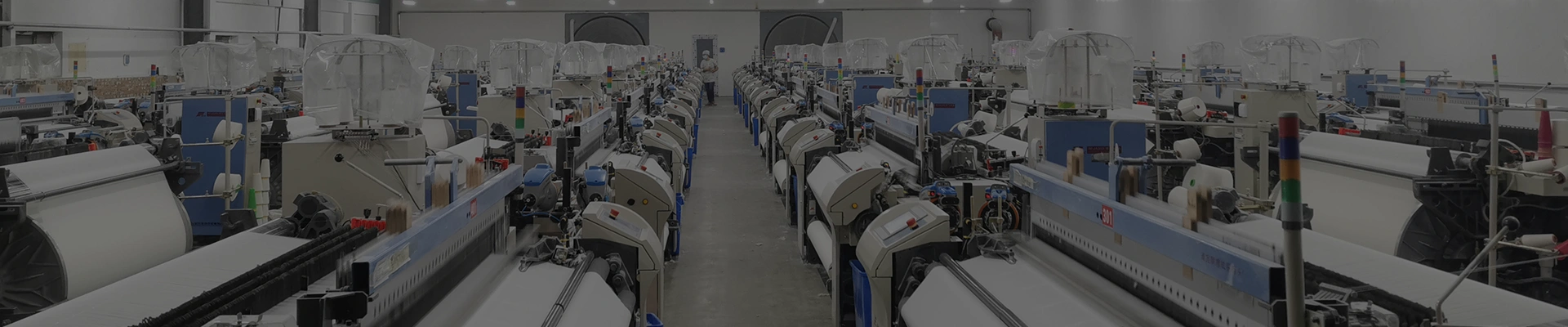
Larger manufacturing scales and advanced technologies (like automated spinning and weaving machinery) help lower production cost per yard. On the flip side, artisan or small-batch producers may price higher due to manual steps.
3. Quality & Finishing Processes
Polyester fabrics come with varying finishes—moisture-wicking, flame-retardant, UV-resistant—which add to the base price. Certain finishing chemicals or treatments, especially eco-friendly or certifications-compliant ones, tend to dent the price but enhance end usability.
4. Supply Chain Logistics
Shipping costs, tariffs, and trade agreements affect how much manufacturers and resellers pay. For example, the recent shipping container crunch and increased tariffs between countries influenced 100 polyester fabric price rates worldwide.
5. Demand & Market Trends
Seasonal fashion cycles, industrial demand, and sustainability trends (like recycled polyester) can push prices in either direction.
Mini Takeaway:
Each of these threads weaves the complex fabric (pardon the pun) of polyester pricing, making it a moving target for buyers and sellers alike.
Global Applications & Real-World Use Cases
Believe it or not, 100% polyester fabric stretches far beyond your basic T-shirt. Industries rely on it daily for diverse applications:
- Apparel Industry: Used extensively in sportswear, uniforms, and fashion due to its durability and color retention.
- Medical Textiles: Waterproof polyester fabrics help in surgical gowns and hospital curtains, where sterilization and hygiene matter.
- Outdoor & Protective Gear: Polyester fabrics often feature in tents, awnings, and tarps for disaster relief or military applications—where lightweight durability is crucial.
- Home Furnishing: Upholstery, curtains, and bedding where resistance to wrinkles and fading are preferred.
For example, during recent flood relief efforts in Southeast Asia, polyester tarpaulins were essential for temporary shelter—cost-effective, durable, and quick to deploy. Meanwhile, automotive industries in Germany prefer specific polyester variants for seat belts, combining strength with cost-efficiency.
Mini Takeaway:
100 polyester fabric price affects a vast ecosystem of products, from emergency field operations to everyday household goods.
Product Specifications: A Quick Overview
| Specification | Typical Range | Remarks |
|---|---|---|
| Fabric Weight | 80–200 gsm | Lightweight to medium-heavy fabrics |
| Tensile Strength | 30–60 N/cm | Good durability for wear and tear |
| Elongation at Break | 15–25% | Moderate flexibility |
| Moisture Wicking | High (when treated) | Key for sports and medical fabrics |
| Average Price (per meter) | $1.50 – $4.00 | Depends on quantity and finish |
Comparing Vendors: What You Should Know
| Vendor | Price Range (per meter) | Average Lead Time | Sustainability Credentials | Special Notes |
|---|---|---|---|---|
| Vendor A (China) | $1.50 – $2.50 | 2-3 weeks | ISO 14001 Certified | Large bulk discounts available |
| Vendor B (India) | $1.80 – $3.20 | 3-4 weeks | Some recycled options | Customization support |
| Vendor C (Turkey) | $2.20 – $4.00 | 1-2 weeks | OEKO-TEX certified | Fast delivery, premium quality |
The Long-Term Value of Understanding 100 Polyester Fabric Price
It's not just about saving a few bucks here and there. Knowing the ins and outs of polyester pricing connects you to sustainability, innovation, and market readiness. For manufacturers, this means better budgeting and risk mitigation. For environmentalists, it signals how industries are adapting to green mandates (think: recycled content and lower carbon footprints). For consumers, it’s confidence in durability and ethical production. And frankly, in a world where fast fashion meets eco-consciousness head-on, price transparency ensures everyone knows what they’re paying for.
Mini Takeaway:
Understanding polyester price empowers smarter, more responsible purchasing and manufacturing decisions long term.
Emerging Trends and Innovations to Watch
What I find fascinating is how the push for sustainable polyester is reshaping pricing strategies. Recycled PET fabrics are gaining momentum, with prices gradually becoming competitive—sometimes just 10-15% above virgin polyester. This reflects improvements in sorting, cleaning, and processing technologies.
Also, digital textile printing and automation are trimming manufacturer costs, slightly easing price fluctuations. Coupled with green energy in factories, these trends could soften the environmental cost usually baked into polyester production.
Challenges in Pricing and How Industry Is Tackling Them
The major headache? Managing supply chain disruptions. COVID-19 showed how fragile textile sourcing can be, with delays spiking costs unpredictably. Then, environmental regulations pressure manufacturers to invest in cleaner yet costly technologies, nudging prices up. Many companies now collaborate closely with suppliers, piggybacking on digital tools for real-time pricing and forecasting, to navigate these complexities.
FAQ: Practical Questions About 100 Polyester Fabric Price
- Q: Why does the 100 polyester fabric price fluctuate so much?
- A: It mainly depends on crude oil price swings, manufacturing scale, and supply chain stability. Unexpected geopolitical events or natural disasters can also throw prices off balance.
- Q: Is recycled polyester fabric significantly more expensive?
- A: Traditionally, yes. But improvements in recycling technology have narrowed the gap. Some suppliers offer recycled polyester at just 10-15% higher prices than virgin polyester.
- Q: How does fabric finish affect the price?
- A: Treatments like water repellence or anti-UV coatings add costs but increase the fabric’s functionality, making the upfront expense worthwhile for certain applications.
- Q: Can small buyers get competitive 100 polyester fabric pricing?
- A: Bulk orders get the best rates. Small buyers can sometimes pool orders or use distributors to access better prices but should anticipate paying a premium.
- Q: Where can I learn about the best suppliers and prices?
- A: Industry trade shows, verified online marketplaces, and trusted textile websites like this one provide solid starting points.
Wrapping Up: Why Keeping Tabs on 100 Polyester Fabric Price Makes Sense
In the grand scheme, the 100 polyester fabric price is much more than a number you glance at on an invoice. It’s a window into resource availability, industrial trends, sustainability efforts, and global economic health. Keeping an eye on it—including understanding the factors influencing it—ensures smarter purchasing, better supply chain resilience, and ultimately a product that just feels right, both on the hanger and in the conscience.
If you want to dive deeper, or check current market prices firsthand, visit us at https://www.jiexiangtextile.com and explore the latest.
References
-
Guide to Finding the Best Premium cotton suit material onlineNewsApr.16,2026
-
Premium White Cotton Fabric Wholesale Guide for BusinessesNewsApr.09,2026
-
Discover Premium Cotton Curtain Fabric Online for Beautiful HomesNewsApr.07,2026
-
Understanding Uniform Type of Fabric for Global Trade and Quality AssuranceNewsMar.31,2026
-
Comprehensive Guide to Different Types of Tela for Uniform SelectionNewsMar.28,2026
-
Comprehensive Guide to Selecting the Best Types of Fabric for UniformNewsMar.26,2026
-
Comprehensive Guide to Selecting the Best Types of Fabric for Office UniformNewsMar.24,2026