
Exploring Thin 100 Cotton Fabric: Lightweight, Sustainable, Versatile Textile Solutions
Unlocking the Potential of Thin 100 Cotton Fabric: The Subtle Power of Lightweight Cotton
If you've ever paused to feel the delicate weave of thin 100 cotton fabric, you might have noticed it’s simultaneously soft and surprisingly strong. But why should anyone beyond textile aficionados care? Well, thin 100 cotton isn’t just about comfort—it quietly solves a handful of global issues spanning sustainability, humanitarian aid, and advanced manufacturing technology. When we understand its benefits and applications, we tap into a fabric that’s as versatile as it is timeless.
The Global Context: More Than Just Fabric
Cotton is among the most cultivated natural fibers globally, with an annual production reaching roughly 25 million tons (according to the UN’s Food and Agricultural Organization). Lightweight varieties, specifically thin 100 cotton fabric, represent a growing share of fabric demand thanks to changing consumer preferences for breathable, eco-conscious clothing and functional textiles.
But there's a hitch: conventional cotton production is water and pesticide intensive. Plus, as climate change disrupts growing regions, the industry faces sustainability challenges that thin cotton fabric can help mitigate by using fewer raw materials and less energy in processing.
Oddly, while thin cotton seems fragile at first glance, it actually plays a vital role in sectors from fashion to disaster relief textiles. The challenge? Striking a balance between lightness, durability, and cost-effectiveness—a puzzle industry makers continually try to solve.
What Exactly Is Thin 100 Cotton Fabric?
Simply put, thin 100 cotton fabric is fabric made entirely of cotton fibers but crafted to be lightweight and breathable. "Thin" implies the weaving uses fewer yarns per square inch or finer threads, resulting in a delicate yet flexible textile. It's not just a summer shirt fabric; it finds use in medical gauzes, reusable face masks, and high-end shirts — places where softness plus airflow are prized.
The beauty lies in combining natural breathability with cotton’s hypoallergenic and biodegradable qualities, making it very appealing in a world trying to reduce synthetic waste. In humanitarian efforts, for instance, this fabric can be quickly dyed and transformed into tents or clothing for refugees where portability and comfort matter.
Key Characteristics That Make Thin 100 Cotton Fabric Stand Out
1. Breathability and Comfort
Because it’s thin and porous, air circulates easily, reducing sweat and skin irritation—vital in both wearable fashion and healthcare applications.
2. Durability Despite Lightness
Many assume thin fabric is fragile, but high-quality 100% cotton threads with tight weaving can withstand repeated washing and daily wear—great for reusable textile needs.
3. Cost Efficiency
With less raw material used, thin fabrics often cost less to produce. This saves money for manufacturers and consumers alike, especially when scaling volume for items like masks or bed linens.
4. Environmental Impact
Less water, less dye, and less fabric weight mean shipping thin cotton textile products consumes less energy, shrinking their carbon footprint.
5. Versatility in Design
From sportswear to medical gauze, the fabric can be adapted in thickness, color, and finish—offering endless customization.
6. Scalability
The production processes for thin 100% cotton fabric are well-established, allowing rapid scaling to meet international demand.
| Specification | Typical Value | Unit |
|---|---|---|
| Weight | 70–90 | g/m² |
| Thread Count | 120–180 | threads/inch² |
| Tensile Strength | 25–30 | N/5cm |
| Color Fastness (Washing) | Grade 4+ | ISO 105-C06 |
| Shrinkage | 3–5% | After first wash |
Where Does Thin 100 Cotton Fabric Really Shine?
Across continents and industries, thin 100 cotton fabric finds its place. Take Southeast Asia, for example—where hot, humid climates demand breathable fabrics for daily clothes. Many textile manufacturers there produce fine cotton fabrics exported worldwide.
In humanitarian contexts, think of emergency shelters or medical facilities in disaster zones needing lightweight, sterile, and breathable textiles that can be delivered easily and resist harsh climates. Or consider sports apparel brands innovating with breathable cotton blends that replace synthetics, cutting down microplastic pollution.
- Healthcare: Surgical masks, hospital gowns crafted from thin cotton allow comfort for long shifts.
- Fashion: Lightweight shirts and dresses for summer collections.
- Home textiles: Sheer curtains and breathable bed sheets.
- Industrial: Protective underlayers beneath uniforms.
In short, it’s often the quiet hero fabric behind comfort and safety.
Advantages & Long-Term Value: Why It’s Worth the Attention
What’s genuinely exciting about thin 100 cotton fabric is not just what it is, but what it represents. It's a material that respects nature while delivering performance.
- Cost Benefits: Leaner fabric means less resource use and lower shipping weights.
- Sustainability: Being entirely natural, repairable, and recyclable aligns with circular economy principles.
- Social Impact: Employing cotton farmers and small mills in developing economies.
- Consumer Trust: People prefer natural fibers, associating comfort with honesty and quality.
- Innovation Platform: Compatible with organic dyes, advanced weaving tech, and even smart textiles.
Frankly, it feels like this fabric quietly champions the “slow fashion” movement and pushes the entire industry toward a more thoughtful future.
The road ahead: Trends and Innovations in Thin 100 Cotton Fabric
Textile technology buzzes with energy today. Innovations like sustainable cotton farming (per ISO 14040 standards), digital printing, and nanofiber blending open new doors.
For instance, we see companies combining thin 100 cotton with recycled polyester to enhance durability without sacrificing breathability. There’s also a push to improve pest control with natural biocides, reducing chemical footprints even further.
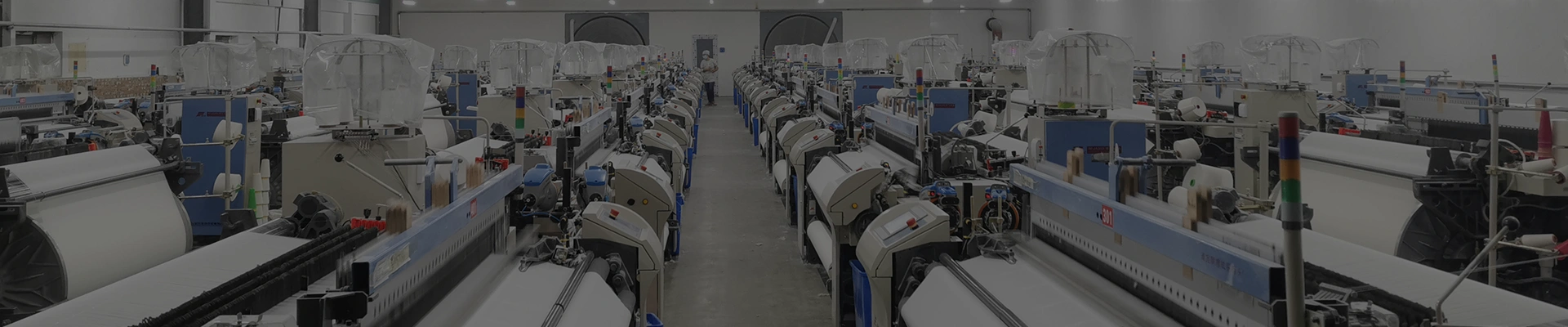
And automation in spinning and weaving means faster production at lower costs, making high-quality thin cotton fabrics accessible worldwide.
Challenges—and How They’re Being Tackled
Of course, not everything is perfect. Thin cotton can be prone to wrinkling, and its moisture retention sometimes causes slow drying. Variable weather impacts cotton crop yields, pushing prices around unpredictably.
But solutions abound: chemical-free anti-wrinkle finishes, smart fabric blends, and better crop forecasting help. Plus, growing demand encourages more investment in organic cultivars resistant to drought.
| Supplier | Pricing (USD/kg) | Min. Order (kg) | Lead Time | Certifications |
|---|---|---|---|---|
| Jiexiang Textile | 2.10 – 2.50 | 500 | 3-4 weeks | OEKO-TEX, GOTS |
| GreenFiber Mills | 1.80 – 2.30 | 1000 | 4-6 weeks | GOTS, ISO 9001 |
| Sunrise Textiles | 2.00 – 2.40 | 800 | 2-3 weeks | OEKO-TEX |
FAQ: Your Questions About Thin 100 Cotton Fabric Answered
Q1: Is thin 100 cotton fabric durable enough for daily wear?
A1: Absolutely. While it’s lightweight, modern weaving techniques and quality control ensure it withstands daily use, including multiple washes. It's perfect for shirts, hospital gowns, and even linens where softness and longevity matter.
Q2: How does thin cotton fabric contribute to sustainability?
A2: Thin 100 cotton uses less material and requires less water and energy in production compared to heavier weaves. Plus, it biodegrades naturally, reducing landfill waste. Paired with organic farming, it becomes a cornerstone of sustainable textiles.
Q3: Can thin cotton fabric be used in extreme weather?
A3: It performs well in hot and humid climates by allowing airflow, but in cold or wet conditions, layering or blending with insulating fabrics is advisable. Its breathability makes it ideal for summer and transitional seasons.
Q4: Where can organizations source quality thin 100 cotton fabric?
A4: Reliable suppliers like Jiexiang Textile or other certified mills offer consistent quality, certifications like OEKO-TEX and GOTS, and flexible order volumes suitable for both small businesses and large NGOs.
Q5: What advancements are changing thin cotton fabric manufacturing?
A5: Integration of automated weaving machines, eco-friendly finishing techniques, and blends with recycled fibers are among key innovations enhancing durability, sustainability, and cost-efficiency.
In Conclusion
Thin 100 cotton fabric is more than just a textile choice—it’s a thoughtful answer to sustainability, practical usability, and modern manufacturing challenges. Whether you’re designing summer apparel or outfitting aid workers, this fabric’s lightweight resilience and eco-credentials make it a smart investment for the future.
For those curious to explore quality options and innovative uses, a good start is visiting firms like Jiexiang Textile. Because honestly, sometimes the smallest strands weave the biggest stories.
References & Further Reading
-
Guide to Finding the Best Premium cotton suit material onlineNewsApr.16,2026
-
Premium White Cotton Fabric Wholesale Guide for BusinessesNewsApr.09,2026
-
Discover Premium Cotton Curtain Fabric Online for Beautiful HomesNewsApr.07,2026
-
Understanding Uniform Type of Fabric for Global Trade and Quality AssuranceNewsMar.31,2026
-
Comprehensive Guide to Different Types of Tela for Uniform SelectionNewsMar.28,2026
-
Comprehensive Guide to Selecting the Best Types of Fabric for UniformNewsMar.26,2026
-
Comprehensive Guide to Selecting the Best Types of Fabric for Office UniformNewsMar.24,2026