
Choosing the Right Type of Cloth for Uniform A Comprehensive Guide
Choosing the Right Type of Cloth for Uniform: A Comprehensive Guide
Selecting the appropriate fabric for uniforms is crucial for comfort, durability, and professional appearance. Different industries and roles require different qualities in their uniform fabrics. This article will explore the various types of cloth for uniform available, outlining their benefits and drawbacks to help you make an informed decision. Understanding fabric properties like weight, weave, and finish is key to ensuring your uniforms meet the demands of the job. We'll cover everything from breathable cotton blends to resilient polyester options.
Cotton: The Classic Comfort Choice
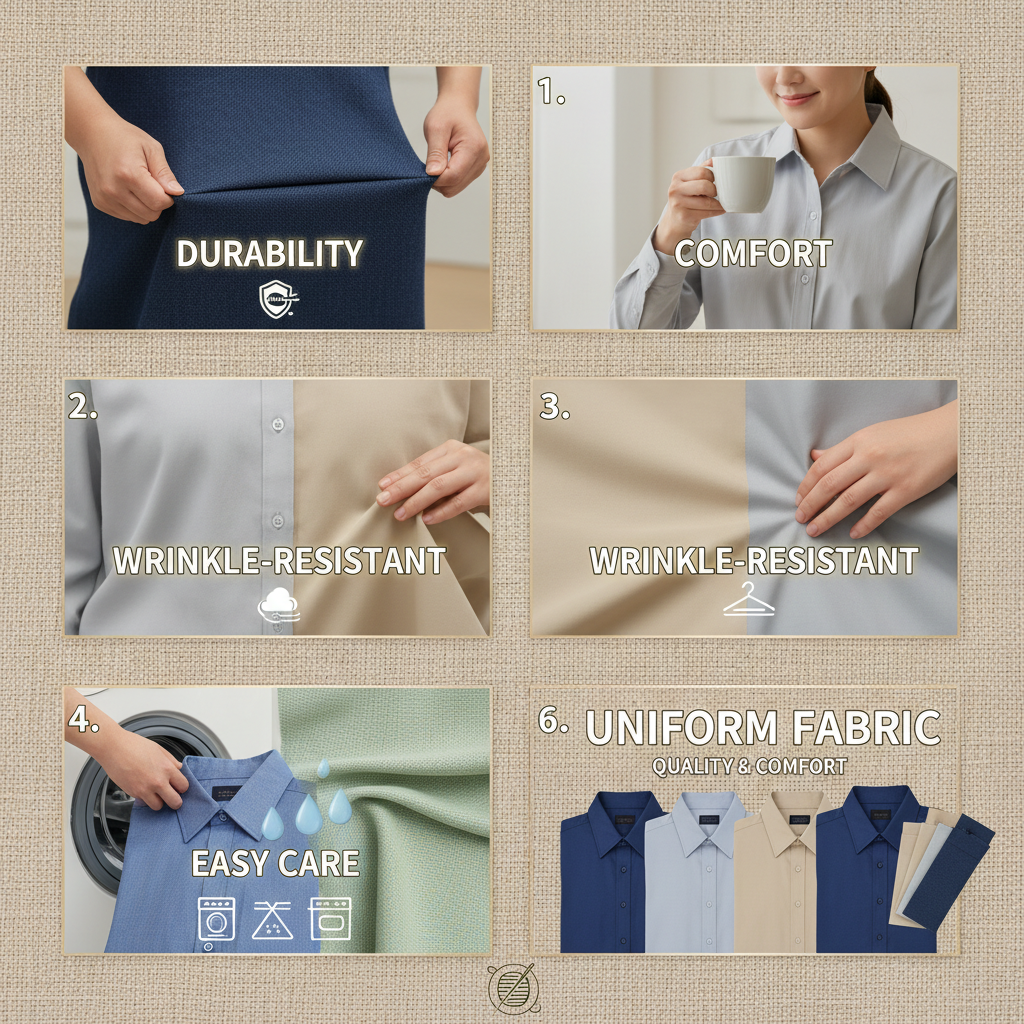
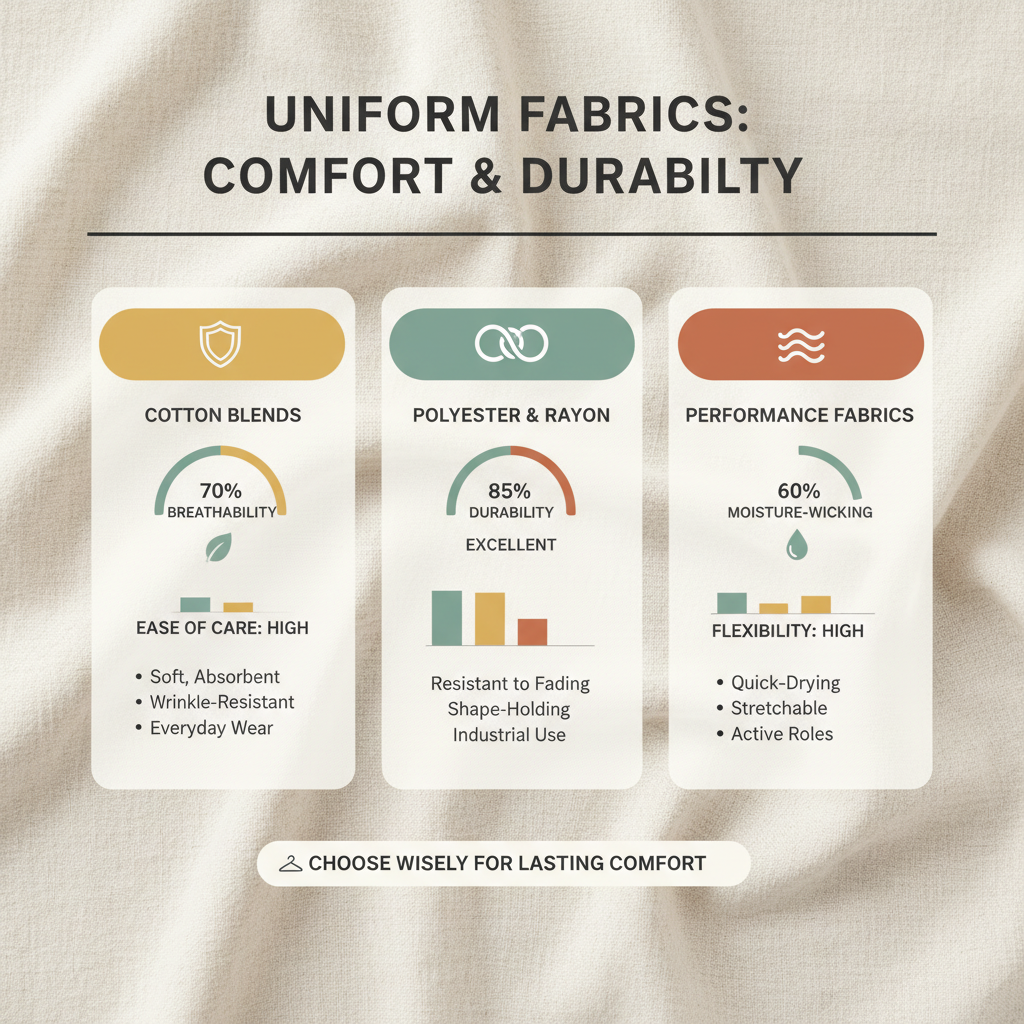
Cotton is a naturally breathable fabric, making it a popular choice for uniforms, especially in warmer climates. It’s soft against the skin, comfortable to wear for long periods, and relatively inexpensive. However, cotton wrinkles easily and doesn’t wick moisture very well, meaning it can feel damp and heavy during physical activity. It also tends to shrink when washed and may fade over time. Cotton blends often address some of these shortcomings. Consider the weave of the cotton; twill offers more durability than plain weave. The cloth for uniform needs to be suitable for the work conditions.
Key Highlights: Naturally breathable and comfortable. Relatively inexpensive. Susceptible to wrinkles, shrinkage, and fading.
Polyester: Durability and Performance
Polyester is a synthetic fabric known for its exceptional durability, wrinkle resistance, and quick-drying properties. It’s often blended with other fabrics like cotton to combine the benefits of both. Polyester uniforms are ideal for jobs that require frequent washing or involve a lot of physical activity. It holds color well, resists shrinking and stretching, and is relatively inexpensive. However, polyester is not as breathable as cotton and can feel less comfortable in hot weather. Modern polyester fabrics often incorporate moisture-wicking technology to improve comfort.
Polyester Benefits:
• Highly durable and wrinkle-resistant
• Quick-drying and resists shrinking/stretching
• Excellent color retention
• Relatively inexpensive
A Detailed Comparison of Common Uniform Fabrics
Understanding the differences between fabrics is essential when selecting the best type of cloth for uniform. Here's a comparison of some commonly used options:
Specialty Fabrics for Specific Needs
Beyond the basics, certain industries require specialized fabrics. For example, flame-resistant fabrics are essential for workers in welding, firefighting, and other hazardous environments. These fabrics are often treated with chemicals to reduce flammability. Moisture-wicking fabrics are preferred for athletic uniforms and outdoor work in hot climates. Consider fabrics with antimicrobial properties for healthcare uniforms to prevent the spread of germs. Jiexiang Textile offers a wide range of fabrics to meet diverse uniform needs.
Understanding Fabric Weight and Weave
Fabric weight (measured in ounces per square yard) and weave impact the durability and feel of the uniform. Heavier weight fabrics are generally more durable but can also be less comfortable in hot weather. Common weaves include plain weave, twill weave, and satin weave. Twill weave (like denim) is known for its strength and resistance to abrasion. Plain weave is simple and versatile, while satin weave has a smooth, lustrous finish. Selecting the appropriate weight and weave depends on the intended use of the uniform.
Conclusion: Finding the Perfect Fabric for Your Uniforms
Choosing the right type of cloth for uniform requires careful consideration of factors like comfort, durability, and job requirements. By understanding the properties of different fabrics, you can ensure your uniforms provide the best possible protection and performance for your employees. Jiexiang Textile provides a wide array of quality fabrics to help you make the right choice.
Frequently Asked Questions (FAQs)
What is the best fabric for uniforms in hot climates?
For hot climates, breathable fabrics like cotton, linen, or lightweight polyester blends are ideal. Look for fabrics with moisture-wicking properties to help keep workers cool and comfortable. Loose-fitting uniforms made from these materials will allow for better airflow and prevent overheating. Avoid heavy or tightly woven fabrics that trap heat. Choosing the right fabric can significantly improve worker comfort and productivity in challenging conditions.
How do I determine the right fabric weight for a uniform?
The appropriate fabric weight depends on the job's demands. For light-duty tasks, a lighter weight fabric (under 5 oz/sq yd) is sufficient. For more strenuous work or jobs requiring greater durability, a heavier weight fabric (6-8 oz/sq yd or more) is recommended. Consider the climate as well – lighter weights are preferable in hot weather, while heavier weights provide more warmth in colder conditions. Consult with a fabric supplier like Jiexiang Textile for guidance.
Are polyester blends more durable than 100% cotton?
Generally, yes. Polyester blends are typically more durable than 100% cotton because polyester fibers are stronger and more resistant to abrasion. Blends also resist wrinkles and shrinking better than pure cotton. However, the specific durability will depend on the percentage of polyester in the blend and the quality of the materials. A higher polyester content usually translates to greater durability.
What are flame-resistant fabrics used for?
Flame-resistant (FR) fabrics are used in industries where workers are exposed to potential fire hazards, such as welding, oil and gas, electrical work, and firefighting. These fabrics are treated or inherently flame-resistant to reduce the risk of burns. They are designed to self-extinguish and prevent the spread of flames, providing crucial protection in dangerous situations.
-
Guide to Finding the Best Premium cotton suit material onlineNewsApr.16,2026
-
Premium White Cotton Fabric Wholesale Guide for BusinessesNewsApr.09,2026
-
Discover Premium Cotton Curtain Fabric Online for Beautiful HomesNewsApr.07,2026
-
Understanding Uniform Type of Fabric for Global Trade and Quality AssuranceNewsMar.31,2026
-
Comprehensive Guide to Different Types of Tela for Uniform SelectionNewsMar.28,2026
-
Comprehensive Guide to Selecting the Best Types of Fabric for UniformNewsMar.26,2026
-
Comprehensive Guide to Selecting the Best Types of Fabric for Office UniformNewsMar.24,2026