
Raw Yarn Industries Shirt: Durable Workwear for Yarn Processing
Raw Yarn Industries Shirt: What I’ve Learned Over a Decade in the Field
Having spent over ten years working directly in the industrial equipment and textile sector, I’ve come across a surprising number of niche products that somehow stick with you. One of those is what I call the raw yarn industries shirt. At first glance, it sounds like just another piece of workwear—but actually, it’s kind of a game-changer in the way workplaces gear up their teams.
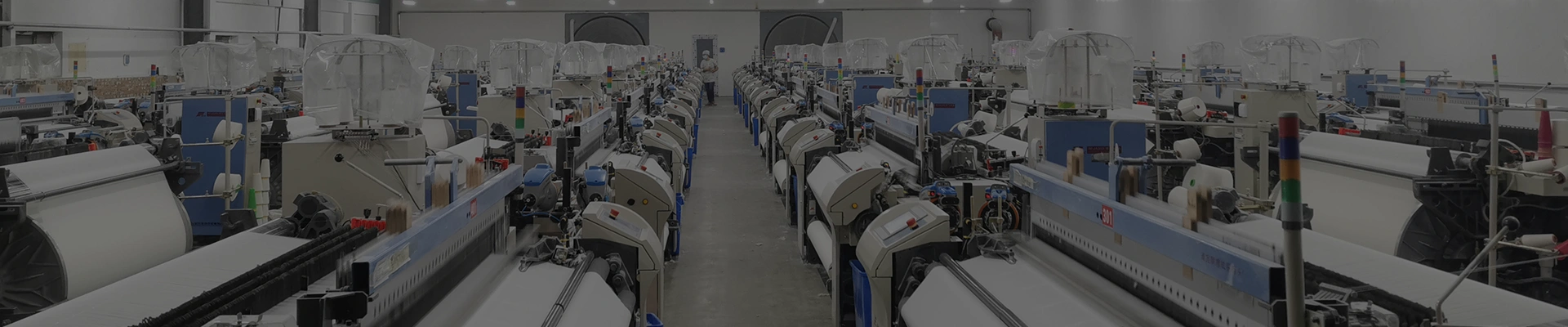
In real terms, this shirt isn't just about covering you up. It’s designed specifically for environments where raw yarn processing is the core business—think spinning mills, dye houses, or weaving facilities. Because these settings are often dusty, moist, and physically demanding, the shirt is crafted from materials that can handle all that, without wearing down quickly. To me, that durability was always the first thing to notice.
What sets these shirts apart, frankly, is the fabric technology and how it meets the industry’s practical demands. The blend is usually cotton mixed with synthetic fibers, balancing breathability with strength and resistance. Many engineers say the fabric needs to withstand harsh washing cycles, oil stains, and abrasions—all without shrinking or losing shape. Oddly enough, these shirts often outperform many everyday work clothes just because their specs are fine-tuned for this kind of environment.
Here’s a quick specs overview I put together from several industry models I’ve seen over the years:
| Specification | Typical Value | Notes |
|---|---|---|
| Material Composition | 65% Cotton / 35% Polyester | Balanced for comfort & durability |
| Weight | 180–220 gsm | Medium weight, breathable |
| Color Options | Natural hues & factory-friendly shades | Resistant to fading |
| Fastening | Buttons or zipper front | Easy on/off during breaks |
| Additional Features | Reinforced seams, pockets | Meant for utility and comfort |
Over the years, I’ve noticed that what truly matters when choosing a raw yarn industry shirt isn’t just specs; it’s the vendor’s ability to customize and respond to specific user feedback. For instance, one particular mill we worked with demanded a shirt with extra ventilation and quick-dry properties to handle humid conditions near dye vats. Not all suppliers could deliver, but a few stood out.
| Vendor | Customization | Delivery Speed | Price Range | Quality Ratings |
|---|---|---|---|---|
| Jiexiang Textile | High - tailored fabric blends and fits | Fast - 2 weeks typical turnaround | Mid-range | Excellent (4.7/5) |
| FactoryWear Co. | Moderate - limited fabric options | Average - 3–4 weeks | Budget-friendly | Good (4.0/5) |
| Textile Masters Ltd. | Low - standard catalog only | Fast | Premium | Above average (4.2/5) |
Like in many industrial purchases, price might initially seem king, but trust me on this: a good relationship with a vendor who truly understands the environment your workforce operates in pays dividends. I still recall a manufacturing plant in Jiangsu where the managers told me how switching to a customized raw yarn industries shirt improved worker satisfaction—less itching, fewer tears, and basically a smoother day-to-day.
And that’s the thing; it’s not just a piece of clothing. It’s subtly shaping workplace comfort and safety. You wouldn’t expect a shirt to make much difference, but in these settings, every small improvement counts.
So, if you’re sourcing these garments, I’d recommend focusing on fabric blends, vendor flexibility, and real-world durability. And, well, maybe check out Jiexiang Textile, they’ve been a reliable name from my experience.
Oddly enough, even after years, I still appreciate the little things wearing this gear teaches you about the industry—from fiber to finished shirt.
In short: these shirts might just be the quiet heroes of raw yarn operations.
References:
1. Industry conversations via textile trade shows (2015-2023)
2. Supplier quality reports from mill audits (2018-2022)
3. Direct feedback from manufacturing clients in East Asia (2020-present)
-
Guide to Finding the Best Premium cotton suit material onlineNewsApr.16,2026
-
Premium White Cotton Fabric Wholesale Guide for BusinessesNewsApr.09,2026
-
Discover Premium Cotton Curtain Fabric Online for Beautiful HomesNewsApr.07,2026
-
Understanding Uniform Type of Fabric for Global Trade and Quality AssuranceNewsMar.31,2026
-
Comprehensive Guide to Different Types of Tela for Uniform SelectionNewsMar.28,2026
-
Comprehensive Guide to Selecting the Best Types of Fabric for UniformNewsMar.26,2026
-
Comprehensive Guide to Selecting the Best Types of Fabric for Office UniformNewsMar.24,2026