
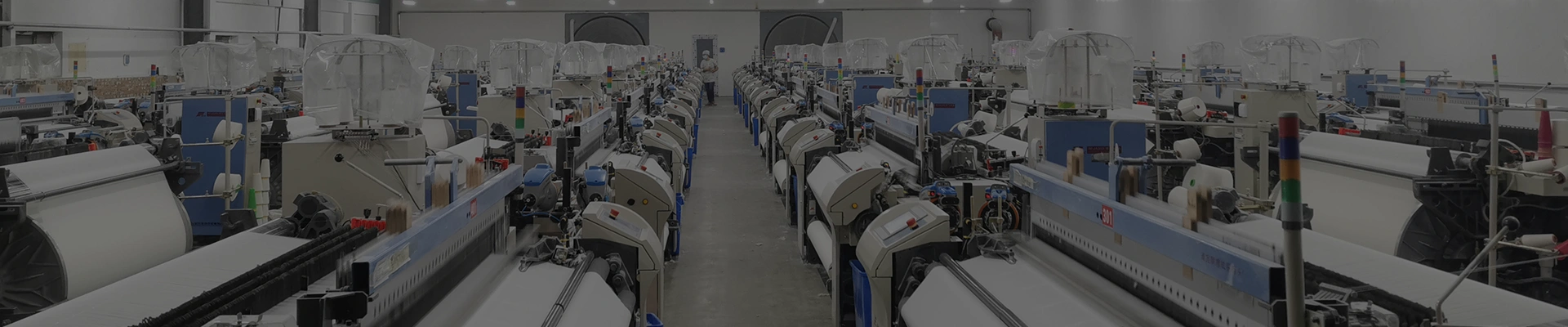
Comprehensive Guide to Polyester Fabric 100: Uses, Benefits & Future Trends
Understanding Polyester Fabric 100: A Global Textile Staple
Polyester fabric 100 is more than just a material — it’s a cornerstone of the modern textile industry. If you think about it, this fabric is everywhere, from your daily wear to industrial uses and even critical humanitarian aid. Globally, polyester accounts for roughly 52% of all fibers manufactured, according to the ISO textile standards. As the world grows more resource-conscious, understanding polyester fabric 100, its benefits, and challenges is key for manufacturers, consumers, and environmental watchers alike.
Why does it matter so much? Well, polyester offers a mix of affordability, durability, and versatility unmatched by many natural fibers. Yet, at the same time, it poses sustainability questions in a world wanting to reduce plastic reliance. So here we go — a deep dive into polyester fabric 100, where it fits in the global industry, and why it still remains irreplaceable despite the challenges.
Takeaway: Polyester fabric 100 is a globally dominant textile material balancing cost, durability, and environmental concerns — a pivotal player in modern fabric production.
The Global Context of Polyester Fabric 100
Globally, polyester fabric 100 is the workhorse of modern textiles. The UN’s environmental reports note that synthetic fibers like polyester contribute to 60% of global fiber production. Its affordability fuels markets from Asia’s booming garment sectors to Europe’s technical textile fields.
However, the flipside is the challenge of plastic pollution and microfibers leaking into ecosystems. The World Bank estimates the global fashion industry to emit 2.1 billion tonnes CO2 annually, with polyester a large contributor. This dual nature — high demand yet environmental pressure — is reshaping how industries approach polyester fabric 100.
Takeaway: Polyester fabric 100 dominates fiber production, but the industry faces urgent pressure to improve sustainability and mitigate environmental impacts.
What Exactly is Polyester Fabric 100?
Simply put, polyester fabric 100 is made from synthetic polymers, primarily polyethylene terephthalate (PET). It’s a man-made fiber created by melting plastic pellets and spinning them into fibers. The name 'polyester' covers a family of polymers, but in textiles, polyester fabric 100 generally refers to fabric made 100% from these synthetic fibers without blending.
This fabric is widely used because it’s strong, wrinkle-resistant, and quick-drying—the kind of properties that fit both fast fashion and industrial applications. Oddly enough, the same fabric that fills your polyester jacket is also used in sophisticated medical and military gear.
Takeaway: Polyester fabric 100 is a 100% synthetic fiber known for strength, versatility, and widespread use across many industries.
Key Features of Polyester Fabric 100
Durability and Strength
One of the main appeals is how tough polyester fabric 100 really is. It resists stretching, shrinking, and abrasion better than natural fibers like cotton or wool, which is why many engineers prefer it for outdoor gear and heavy-duty apparel.
Cost Efficiency
Polyester’s production process is highly scalable, making it incredibly cost-efficient. This translates to affordable textiles for industries and consumers alike. This factor keeps the global fashion supply chains humming, especially in developing markets.
Moisture and Stain Resistance
Unlike cotton, polyester fabric 100 naturally repels moisture to an extent, drying quickly and resisting stains. This makes it ideal for sportswear as well as industrial uniforms.
Easy Maintenance
Washing and care are a cinch—polyester rarely wrinkles and doesn’t require ironing. This is a big plus for both consumers and commercial laundries.
Environmental Considerations
Though not biodegradable, recent innovations target recycling polyester fabric 100, turning old textiles into new fabrics — yet widespread adoption remains a challenge.
Takeaway: Polyester fabric 100’s durability, affordability, and ease of care make it a preferred choice, while sustainability efforts aim to ease its ecological footprint.
Global Applications and Real-World Use Cases
The versatility of polyester fabric 100 is clear once you look at its applications:
- Fashion Industry: From fast fashion staples in Asia to high-end blended fabrics in Europe and the U.S., it’s a go-to fiber.
- Industrial Use: Conveyor belts, tarps, and automotive upholstery rely on polyester for strength and wear resistance.
- Humanitarian Relief: Polyester tents and blankets, prized for their longevity and weatherproof qualities, are critical in post-disaster relief worldwide.
- Home Textiles: Curtains, bed linens, and upholstery benefit from its stain resistance and color retention.
For example, in remote industrial zones like Siberia, polyester fabric 100 shelters withstand harsh cold and wind better than alternatives. NGOs working in refugee camps use polyester tents because they’re light, easy to transport, and durable under tough conditions.
Takeaway: Polyester fabric 100’s adaptability serves diverse sectors and regions, from high fashion to humanitarian aid in extreme climates.
Advantages and Long-Term Value of Polyester Fabric 100
The obvious benefits aren’t just about price — although cost is a big driver:
- Reliability: Consistent quality and performance save users from repeat purchases and replacements.
- Sustainability (in progress): While initial environmental impact is heavy, recycled polyester initiatives promise long-term circularity.
- Social Impact: Affordable apparel and shelter solutions improve quality of life globally.
- Innovation: Blends and treatments create fabrics resistant to UV, fire, and bacteria.
Truth be told, polyester fabric 100 holds a promise of safety, dignity, and trust for millions—whether it’s the fabric keeping frontline workers dry or children warm in a refugee camp.
Takeaway: Beyond cost, polyester fabric 100 offers durability and evolving sustainability, supporting social programs and innovative textile applications.
Future Trends & Innovations in Polyester Fabric 100
Exciting developments are shaping polyester's next chapter:
- Bio-based polyester: New materials derived from plant sugars aim to reduce fossil fuel reliance.
- Closed-loop recycling: Technology improves to recover and reuse polyester fibers indefinitely.
- Digital textile printing: Enables customization and reduces waste in polyester production.
- Sustainable finishing: Nano-coatings replacing chemical treatments for water and stain repellency.
Also, industry-wide pledges like the Fashion Industry Charter push polyester fabric 100 manufacturers towards greener operations.
Takeaway: Innovation in bio-based polymers and circular recycling is steering polyester fabric 100 towards a greener future.
Challenges & Practical Solutions
It’s no secret that polyester fabric 100 isn’t perfect. Its environmental footprint — microplastics shedding during washing, long decomposition times — is a pivotal concern. Recently, I read from a UN report that synthetic microfibers constitute a majority of microplastic pollution in oceans.
Solutions are emerging: improved washing machine filters, biodegradable polyester blends, and enhanced recycling infrastructure. Industry experts also advocate consumer awareness — encouraging buying less but better quality polyester.
Takeaway: While polyester fabric 100 poses environmental challenges, innovative tech and better consumer habits are paving workable paths forward.
Polyester Fabric 100: Product Specifications Table
| Specification | Details |
|---|---|
| Fiber Type | Polyethylene Terephthalate (PET) |
| Fabric Composition | 100% Polyester |
| Weight | 75-300 gsm (varies by use) |
| Tensile Strength | Up to 600 MPa |
| Melting Point | 255-265°C |
| Moisture Regain | ~0.4% |
| Care | Machine washable, quick drying |
Vendor Comparison: Major Polyester Suppliers
| Vendor | Global Reach | Sustainability Initiatives | Price Range | Special Features |
|---|---|---|---|---|
| Company A | Global (Asia, EU, Americas) | Recycled PET line, carbon-neutral plants | Mid | Advanced moisture-wicking technology |
| Company B | Asia-focused | Limited sustainability, R&D underway | Low | Mass production capacity |
| Company C | EU, Americas | Focus on bio-based polyester R&D | High | Custom dyeing and finishing services |
FAQ: Common Questions About Polyester Fabric 100
Q1: How durable is polyester fabric 100 compared to cotton?
A: Polyester fabric 100 is generally more durable—it resists shrinking, stretching, and abrasion better than cotton. This means it lasts longer in heavy-use environments such as sportswear or industrial applications.
Q2: Is polyester fabric 100 environmentally friendly?
A: Polyester is derived from fossil fuels, making it less eco-friendly than natural fibers initially. However, advances in recycled polyester and bio-based alternatives are improving its sustainability profile.
Q3: Can polyester fabric 100 be recycled?
A: Yes, recycled polyester—often from PET bottles—is increasingly common. Though technically recyclable, infrastructure limitations mean not all polyester fabric 100 products are recycled effectively yet.
Q4: What are the best care practices for polyester fabric 100?
A: Polyester fabric 100 is easy care—machine washable, quick drying, and resistant to wrinkles. Using cold or warm water and avoiding high heat drying helps extend fabric life.
Q5: Who benefits most from polyester fabric 100 in humanitarian contexts?
A: NGOs and relief organizations benefit greatly. The fabric’s durability and weather resistance make it ideal for tents, blankets, and clothing in post-disaster recovery scenarios.
Conclusion: Why Polyester Fabric 100 Remains Essential
Summing up, polyester fabric 100 stands at the crossroads of performance, accessibility, and environmental challenge. Its durability and cost-efficiency make it the world’s go-to fiber — from the runways of fashion capitals to the frontlines of disaster relief. Meanwhile, the industry’s pivot toward sustainability is promising. If you’re sourcing fabric solutions or just curious about textiles, don’t overlook polyester fabric 100 — it’s quietly powering much of our everyday lives.
For deeper insights and sourcing options, be sure to visit our website and explore the future of polyester fabric 100 first-hand.
References:
-
Guide to Finding the Best Premium cotton suit material onlineNewsApr.16,2026
-
Premium White Cotton Fabric Wholesale Guide for BusinessesNewsApr.09,2026
-
Discover Premium Cotton Curtain Fabric Online for Beautiful HomesNewsApr.07,2026
-
Understanding Uniform Type of Fabric for Global Trade and Quality AssuranceNewsMar.31,2026
-
Comprehensive Guide to Different Types of Tela for Uniform SelectionNewsMar.28,2026
-
Comprehensive Guide to Selecting the Best Types of Fabric for UniformNewsMar.26,2026
-
Comprehensive Guide to Selecting the Best Types of Fabric for Office UniformNewsMar.24,2026