
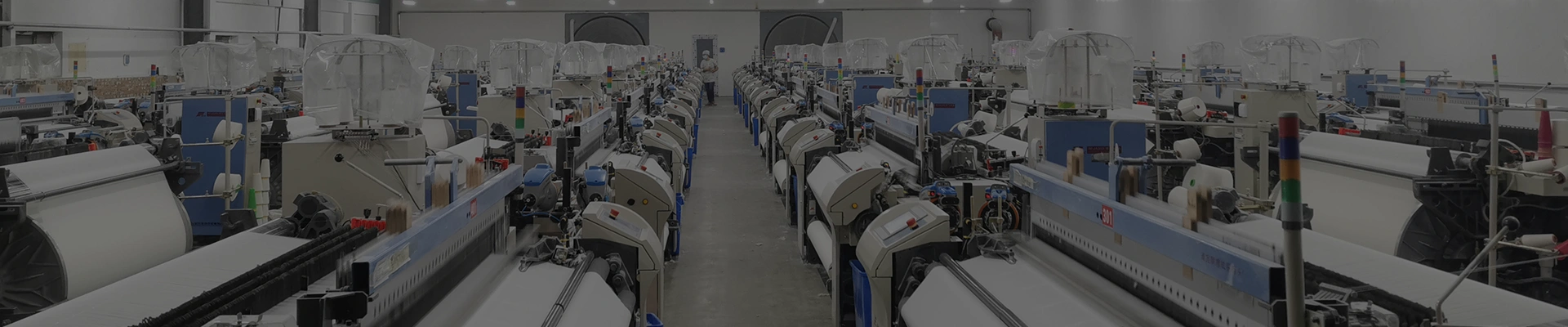
Discover the Benefits of 100 Polyester Fabric Stretch – Durable & Versatile Textile Solutions
What Makes 100 Polyester Fabric Stretch a Game-Changer in Textiles?
In an industry constantly chasing durability, comfort, and cost-effectiveness, 100 polyester fabric stretch has quietly become an unsung hero. It’s not just about putting elasticity into a synthetic fiber; it’s about responding to a global need for resilient, versatile materials that can keep pace with dynamic lifestyles and harsh environments. Whether it’s outdoor gear, activewear, upholstery, or emergency shelters, understanding this fabric’s properties helps manufacturers and consumers alike tap into a smarter kind of fabric technology — where performance meets innovation.
Introduction: The Global Context of 100 Polyester Fabric Stretch
Globally, the textile industry is a major economic driver. According to the International Organization for Standardization (ISO), synthetic fibers like polyester account for over 50% of fiber production worldwide, highlighting a shift toward durability and efficiency. With fast fashion and technical apparel growing rapidly, stretchable fabrics made entirely of polyester have drawn attention for addressing problems like wear and tear, fit, and maintenance.
But here’s the rub: while cotton and blends have their place, 100 polyester fabric stretch combines toughness with elasticity — a must in regions with extreme weather and for industries needing reliable material performance. The UN’s push for sustainable textiles also underscores the need for recyclable, long-lasting sport and workwear fabrics, where polyester stretch fits right in.
Mini takeaway:
Understanding 100 polyester fabric stretch isn’t niche; it’s about aligning textile innovations with global manufacturing, sustainability goals, and consumer demands.
Defining 100 Polyester Fabric Stretch
At its core, 100 polyester fabric stretch means a fabric made entirely from polyester fibers that incorporate an elastic element directly in their yarn structure or through fabric construction. This stretch gives garments and materials the ability to extend under tension and recover their shape afterward, without losing polyester’s trademark durability and moisture resistance.
In simple terms: it’s polyester fabric with bounce — no blends, no cotton — just polyester engineered to flex. This concept is particularly big in activewear and protective uniforms, where freedom of movement and longevity go hand in hand. More broadly, it connects to humanitarian needs such as fast-deploy housing or versatile tents that require durable, weather-resistant, and stretchable fabrics — especially in places where durability can save lives.
Key Features That Define 100 Polyester Fabric Stretch
Durability
Polyester is well-known for its resistance to abrasion, shrinking, and stretching out of shape. The addition of elasticity simply upgrades this quality, providing years of wear without the fabric sagging or tearing under repetitive strain.
Moisture Wicking and Quick-Drying
Because polyester fibers repel water naturally, these fabrics dry quickly — which helps in sportswear and even emergency shelters where condensation or wet conditions are concerns.
Cost Efficiency
Compared to natural fibers, 100 polyester fabric stretch is often cheaper to produce and can be engineered batch-wise to meet custom stretch percentages, which makes it a favorite in mass production.
Colorfastness
Polyester fabrics hold dyes well, keeping vibrant colors after many washes, an advantage for industries like fashion, uniforms, and interior fabrics.
Low Maintenance
Polyester stretch fabrics resist wrinkles and require minimal ironing, improving ease of wear for consumers worldwide.
Environmental Impact
Polyester is petroleum-based, so sustainability is a concern. However, recycled polyester fabrics incorporating stretch are gaining traction as a greener alternative, aligning with increasing global environmental standards.
Mini takeaway:
These features turn 100 polyester fabric stretch into a versatile, reliable choice for both industry professionals and everyday consumers.
Where Is 100 Polyester Fabric Stretch Used Around the World?
The real story of 100 polyester fabric stretch is about how and where it’s applied — and the list is surprisingly diverse:
- Athletic Apparel: Stretch polyester dominates activewear globally, from North American running gear to Asian gym wear, thanks to its durability and comfort.
- Medical Textiles: Compression garments often use this fabric for elasticity coupled with easy sterilization.
- Industrial Uniforms: Factory and construction worker uniforms rely on its tear resistance with added flexibility.
- Outdoor & Military Equipment: Tents, backpacks, raincoats in regions like Europe and the U.S. benefit from the fabric’s water resistance and stretch.
- Emergency & Disaster Relief: NGOs and international agencies increasingly choose polyester stretch tents and tarps, which can tolerate rough conditions and quick packing/unpacking. Think earthquake zones or flood-prone areas in South Asia and Africa.
Mini takeaway:
Whether it’s on a treadmill or a relief camp, this fabric’s stretchability combined with polyester’s robustness closes the gap between demand and practical use.
Advantages and Long-Term Value of 100 Polyester Fabric Stretch
Frankly, many manufacturers say the biggest win is balance — a material that doesn’t sacrifice strength for stretch and vice versa. Some tangible advantages include:
- Cost Savings: Less frequent replacement due to durability means less spending in the long run.
- Comfort and Safety: Flexibility reduces fabric fatigue and tear, which means safer clothing for workers and athletes.
- Sustainability Advances: Recycled variants can reduce microplastic pollution, answering some environmental concerns.
- Aesthetic Value: Fabrics retain form and color longer, keeping garments and products looking fresh and professional.
On a personal level, users cherish the dignity and confidence that come from wearing clothing that fits well and lasts through intense use. For NGOs, reliable fabric in shelters or uniforms equals trust and effectiveness in difficult conditions.
Future Trends and Innovations in 100 Polyester Fabric Stretch
Looking forward, the textile world is buzzing with ideas that could enhance these fabrics even further:
- Bio-based Polyester: Derived partially from plant materials offers eco-friendly alternatives.
- Advanced Recycling: Closed-loop polyester recycling promises to reduce the carbon footprint.
- Smart Textiles: Integration with sensors and digital fibers may provide stretch fabrics that monitor health or environmental conditions in real-time.
- Enhanced Finishes: Anti-microbial, UV protection, and water-repellant coatings are becoming standard on stretch polyesters, especially for healthcare and outdoor sectors.
Challenges and Practical Solutions
It’s not all smooth sailing. Polyester’s dependence on petroleum means production is linked to fossil fuels, a problem many manufacturers feel pressured to fix. Plus, microfiber pollution during washing is a genuine concern. However, innovations in recycling and biodegradable alternatives (like PLA polyester) are promising.
Furthermore, achieving the ideal stretch without compromising durability can be tricky for manufacturers; close quality control during spinning and weaving is essential. Some companies now combine digital weaving techniques and higher-performance yarns to fine-tune elasticity, pushing the limits of what 100% polyester stretch fabrics can do.
Practical Questions on 100 Polyester Fabric Stretch
- Q: How elastic is 100 polyester fabric stretch compared to blends?
- A: While blended fabrics with spandex usually offer higher stretch (sometimes exceeding 20-30%), 100 polyester stretch fabrics typically achieve about 10-15%, sufficient for most performance and utility needs without sacrificing durability or color retention.
- Q: Can recycled polyester fabric stretch perform as well as virgin material?
- A: Advances in recycling tech mean recycled polyester stretch fabrics now rival virgin polyester in strength and flexibility, making them a strong contender for environmentally conscious brands.
- Q: Is 100 polyester fabric stretch suitable for hot, humid climates?
- A: Yes. Polyester’s moisture-wicking and quick-drying properties help keep wearers comfortable in humid conditions, which is why it’s popular in tropical athletic apparel.
- Q: How durable is polyester stretch for industrial use?
- A: Very durable. Polyester’s abrasion resistance combined with engineered stretch reduces fabric failure in harsh work environments, often doubling garment lifecycle compared to cotton blends.
- Q: Can NGOs import polyester stretch tents easily during emergencies?
- A: Generally, yes. Polyester stretch fabrics are widely produced and stocked globally. NGOs often partner with specialized suppliers who offer rapid shipping and custom specs to meet urgent relief needs.
Product Specification Table
| Specification | Details |
|---|---|
| Fiber Content | 100% Polyester |
| Stretch Percentage | Up to 15% elongation |
| Weight | 150 – 220 g/m² (varies by weave) |
| Moisture Wicking | High |
| Colorfastness | Excellent after 50+ washes |
| Care | Machine wash cold, tumble dry low, no bleach |
Vendor Comparison Table: Leading Suppliers of 100 Polyester Fabric Stretch
| Supplier | Price (per meter) | Stretch Capacity | Sustainability | Global Availability |
|---|---|---|---|---|
| PolyFlex Fabrics Co. | $3.50 | 12% | Recycled options | North America, Asia, Europe |
| StretchTex Global | $3.20 | 15% | Conventional polyester | Europe, Asia |
| EcoPoly Solutions | $4.00 | 10% | 100% Recycled & bio-based | Global |
In conclusion, 100 polyester fabric stretch presents a compelling material choice, one that harmonizes durability, comfort, and cost — a trio that manufacturers and end users prize highly. As trends push toward sustainability and smarter textiles, this fabric's role only grows in importance.
If you want to explore further or find custom solutions, don’t hesitate to check out specialized polyester fabrics with impressive stretch options that can fit various industry needs.
References
-
Guide to Finding the Best Premium cotton suit material onlineNewsApr.16,2026
-
Premium White Cotton Fabric Wholesale Guide for BusinessesNewsApr.09,2026
-
Discover Premium Cotton Curtain Fabric Online for Beautiful HomesNewsApr.07,2026
-
Understanding Uniform Type of Fabric for Global Trade and Quality AssuranceNewsMar.31,2026
-
Comprehensive Guide to Different Types of Tela for Uniform SelectionNewsMar.28,2026
-
Comprehensive Guide to Selecting the Best Types of Fabric for UniformNewsMar.26,2026
-
Comprehensive Guide to Selecting the Best Types of Fabric for Office UniformNewsMar.24,2026