
Top-Rated Pocketing Fabric Manufacturer | Durable, Eco-Friendly & Customizable
Understanding the Role of a Pocketing Fabric Manufacturer in Today’s Textile Industry
At first glance, the term pocketing fabric manufacturer might conjure images of simple textiles sewn into your jeans or jackets. But digging a bit deeper, you'll realize these manufacturers are keystones of multiple industries — from fashion to industrial applications — worldwide. And that matters, because the quality and design of pocketing fabrics impact comfort, durability, and even sustainability on a much larger scale than one might expect.
Globally, the textile industry is expected to grow beyond $1.2 trillion by 2028 (according to market reports), and pocketing fabrics compose a subtle yet essential fraction of that figure. Knowing what goes into manufacturing these fabrics benefits buyers, designers, and end users alike — offering insight on durability, environmental impact, and cost efficiency.
Why Pocketing Fabric Manufacturing Matters Globally
It's easy to overlook pocketing fabric as a niche segment, but consider this: pocket linings are found in everything from luxury garments to medical uniforms, and even heavy-duty workwear designed for extreme environments. The United Nations Industrial Development Organization (UNIDO) reports a spike in demand for functional textile products due to urbanization and expanding middle classes, especially in Asia and Africa.
However, many manufacturers struggle with balancing quality, sustainability, and affordability. A pocketing fabric manufacturer that can successfully innovate here will find robust global demand. In a nutshell: it’s a small piece of fabric, but the ripple effect on industries and communities worldwide is significant.
What Exactly Does a Pocketing Fabric Manufacturer Do?
Simply put, a pocketing fabric manufacturer produces specialized textiles designed explicitly as linings within pockets. These are usually lightweight but durable materials that offer both comfort and structural integrity to pockets, preventing wear and tear over time.
Beyond clothing, these fabrics might be used in backpacks, luggage, industrial safety gear, and even some medical or military equipment. The job is part textile engineering, part art — combining fibers, weaves, and treatments to meet specific functional demands.
Key Characteristics of Pocketing Fabrics
- Durability: Must withstand friction and frequent handling.
- Comfort: Soft enough on skin, breathable, often moisture-wicking.
- Cost-effectiveness: Balancing price with above features.
- Environmental considerations: Increasingly produced with sustainable or recycled fibers.
Core Components Behind a Successful Pocketing Fabric Manufacturer
1. Durability and Material Composition
Most pocketing fabrics are made from polyester, nylon, cotton blends, or sometimes specialized synthetics treated for water resistance. It’s a delicate balancing act because if the fabric is too thick, it adds unwanted bulk, but if it’s too thin, it tears early — a nightmare for both manufacturers and consumers.
2. Scalability and Production Capabilities
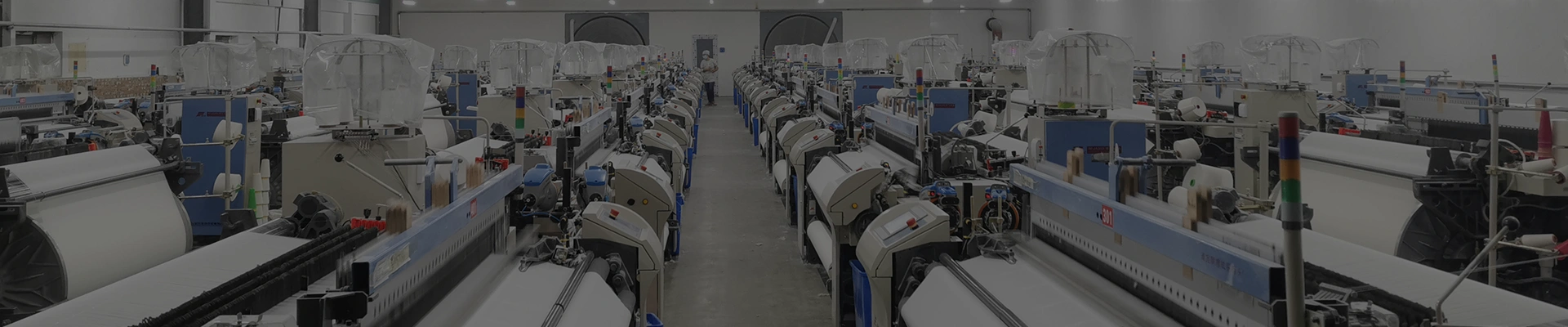
Producing pocketing fabric in bulk while maintaining consistent quality requires automation paired with skilled quality control. As demands fluctuate globally — sometimes soaring because of fashion trends or industrial contracts — manufacturers must stay agile. This is where many companies fall short, especially smaller manufacturers without modern machinery.
3. Cost Efficiency and Competitive Pricing
Because pocketing fabric is often hidden, it competes on price more heavily than fashion-front fabrics. Manufacturers must innovate sourcing raw materials and streamline processes to keep costs reasonable without sacrificing standards.
4. Environmental Impact and Sustainable Practices
Oddly enough, a lot of pocketing fabric used to be simple synthetic polyester. Today, increased consumer and regulatory pressure means manufacturers need to offer eco-friendlier options such as recycled fibers or fabrics treated through low-impact dyeing methods. This trend ties directly to global goals laid out by the International Organization for Standardization (ISO) and sustainability frameworks.
5. Customization and Technical Advancements
From color matching and labeling to water or fire resistance — the technical specs required can be quite nuanced. The best pocketing fabric manufacturers provide bespoke solutions, advising brands on how fabric properties contribute to overall product quality and performance.
Global Applications & Real-World Use Cases
Across continents and industries, pocketing fabric plays a diverse role:
- Fashion Industry: High-end designers expect precise fabric choices that complement garment aesthetics and durability.
- Outdoor Gear Manufacturing: Hiking backpacks and jackets need robust pocket linings to survive rugged use.
- Medical Uniforms: Comfort and ease of washing are paramount — pocketing fabric must hold up.
- Emergency Relief Gear: In post-disaster relief operations, fast production of durable clothing with functional pockets can make a huge difference for aid workers.
Regions like Southeast Asia dominate production due to material availability and labor costs, whereas Europe and North America often lead in innovation and sustainability standards.
Practical Advantages and Long-Term Value
Choosing a reliable pocketing fabric manufacturer yields benefits beyond the obvious:
- Cost Savings: Less product returns due to pocket failures.
- Sustainability: Reducing waste via longer-lasting fabrics.
- Brand Integrity: Consumers notice when garments hold up.
- Social Impact: Ethical manufacturing can improve local economies.
Plus, emotionally, end-users get a better sense of trust and pride wearing thoughtfully made garments — even if the pocket fabric is invisible to most.
Looking Ahead: Trends and Innovations in Pocketing Fabric Manufacturing
The future holds fascinating developments, including:
- Smart Textiles: Embedded sensors for health or security.
- Bio-based Fibers: Polymers derived from algae or other renewables.
- Advanced Dyeing Techniques: Reducing water usage and pollution.
- Digital Fabric Printing: Custom designs on demand.
Automation in production is improving scalability, and regional sustainability regulations will continue driving green manufacturing growth globally.
Common Challenges & How Manufacturers Overcome Them
Of course, no journey is without bumps. Challenges like supply chain disruptions, fluctuating raw material prices, and difficulty maintaining quality at scale persist. Innovative strategies include:
- Diversifying raw material sources globally.
- Investing in quality control tech like AI-powered fabric inspection.
- Partnering with sustainability certifiers to improve trust.
- Developing flexible production lines that can pivot quickly.
Manufacturers who tackle these head-on often become preferred partners and see lasting growth.
Quick FAQ: Your Pocketing Fabric Questions Answered
- What is the typical lifespan of pocketing fabric used in workwear?
- Depending on material and treatment, pocketing fabric can last between 2–5 years under heavy daily use. Polyester blends tend to offer better abrasion resistance, extending garment life.
- Are recycled materials common in pocketing fabric manufacturing?
- Yes, recycled polyester is becoming a standard choice. It offers good durability and helps reduce environmental footprints, aligning with stricter global sustainability targets.
- How do pocketing fabrics affect garment comfort?
- Since pockets contact skin or hands, fabrics are designed for softness and breathability. Manufacturers often add moisture-wicking finishes, enhancing wearer comfort.
- Can pocketing fabric manufacturers customize colors and patterns?
- Absolutely. Most manufacturers offer color matching and can produce specific patterns or coatings according to client needs — especially for fashion or brand identity purposes.
- How can international buyers find a trustworthy pocketing fabric manufacturer?
- Researching certifications (e.g., ISO 9001 for quality, OEKO-TEX for sustainability), sampling fabrics, and reviewing vendor case studies helps. Reliable manufacturers often have transparent supply chains and responsive customer service.
Product Specification Table: Typical Pocketing Fabric Features
| Specification | Typical Values | Notes |
|---|---|---|
| Material Composition | Polyester 65%, Cotton 35% | Blended fabric for durability & comfort |
| Weight | 100–120 gsm | Lightweight but sturdy |
| Abrasion Resistance | > 20,000 cycles (Martindale) | Industry-standard durability test |
| Colorfastness | Grade 4–5 (ISO 105-B02) | Good resistance to washing and light |
| Sustainability Certifications | OEKO-TEX Standard 100 | Ensures fabric is free from harmful substances |
Vendor Comparison: Leading Pocketing Fabric Manufacturers
| Vendor | Base Country | Sustainability Focus | Customization Options | Minimum Order Quantity | Lead Time |
|---|---|---|---|---|---|
| Jiexiang Textile | China | High - Recycled fibers & eco dyes | Extensive - color, finish, labels | 1000 meters | 3–5 weeks |
| EuroFab Textiles | Germany | Moderate - partly organic | Moderate - mostly color matching | 500 meters | 4–6 weeks |
| IndoPocket Fabrics | India | Low - mainly synthetic | Basic - standard colors | 2000 meters | 5–7 weeks |
Wrapping It Up: Why Pocketing Fabric Manufacturing is More Than Meets the Eye
After all this, it’s clear that a pocketing fabric manufacturer is not just selling fabric—they’re delivering durability, comfort, and sustainability to everyday garments and industrial goods. From helping fashion houses maintain brand integrity to aiding relief workers with dependable gear, the ripple effect of quality pocket fabrics is surprisingly broad.
Want to explore premium pocketing solutions that tick all the boxes? Visit Jiexiang Textile — a trusted name blending innovation, eco-conscious practices, and expert craftsmanship in every meter.
Mini Takeaway:
Behind those small pocket linings lies a complex world of material science, global supply chains, and environmental innovation — all converging to make your everyday life just a bit more comfortable and trustworthy.
References
-
Guide to Finding the Best Premium cotton suit material onlineNewsApr.16,2026
-
Premium White Cotton Fabric Wholesale Guide for BusinessesNewsApr.09,2026
-
Discover Premium Cotton Curtain Fabric Online for Beautiful HomesNewsApr.07,2026
-
Understanding Uniform Type of Fabric for Global Trade and Quality AssuranceNewsMar.31,2026
-
Comprehensive Guide to Different Types of Tela for Uniform SelectionNewsMar.28,2026
-
Comprehensive Guide to Selecting the Best Types of Fabric for UniformNewsMar.26,2026
-
Comprehensive Guide to Selecting the Best Types of Fabric for Office UniformNewsMar.24,2026