
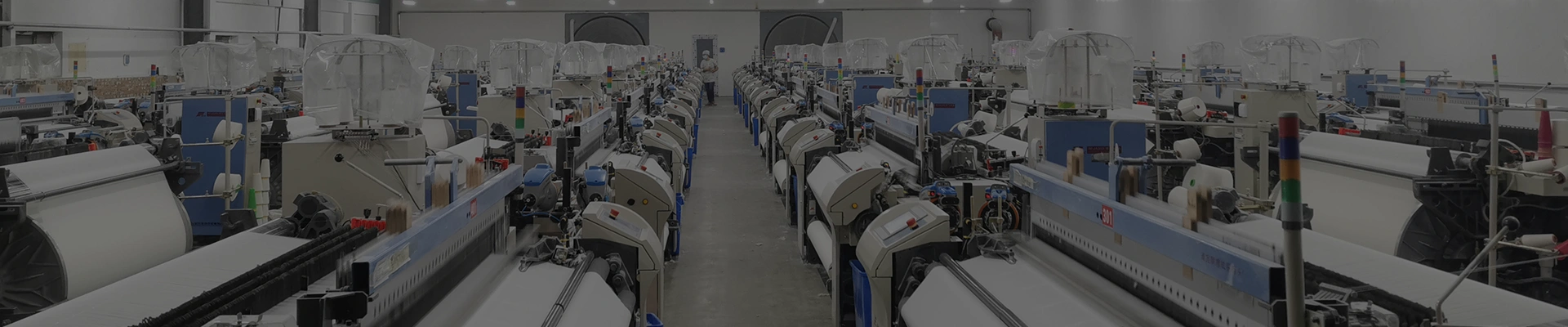
Comprehensive Guide to Solid Cotton Material: Properties, Uses, and Sustainability
Solid Cotton Material: More Than Just Textile
When you hear solid cotton material, what comes to mind? Maybe soft fabrics, a comfy shirt, or a classic bedsheet? But this humble fabric isn’t just about comfort or aesthetics. Globally, solid cotton material forms a backbone for industries ranging from fashion to medical supplies, and even humanitarian aid. Understanding its nature, benefits, and applications sheds light on why cotton remains indispensable worldwide. Whether you're in manufacturing or just a curious reader, knowing about solid cotton materials helps you appreciate how this simple element weaves into the fabric of global markets and sustainability.
Why Solid Cotton Material Matters Worldwide
Cotton is the world’s most widely used natural fiber—producing around 27 million tons annually, according to the Food and Agriculture Organization (FAO). Countries in Asia, Africa, and the Americas rely heavily on cotton cultivation and trade, impacting economies and millions of livelihoods.
Yet, industries from fashion houses to medical textile manufacturers face challenges like quality inconsistency and environmental concerns. Solid cotton material, particularly when sourced and processed sustainably, addresses many of these. It promises durability, breathability, and cost efficiency while minimizing chemical footprints. The ISO standards for textile fibers increasingly focus on such qualities, pushing for global certification.
Oddly enough, even with synthetic alternatives booming, the pull toward solid cotton material is stronger than ever — mostly due to its biodegradable nature and versatility.
What Exactly is Solid Cotton Material?
Simply put, solid cotton material is dense, woven fabric made from pure cotton fibers, typically free from blends or synthetic additives. It’s “solid” because it maintains a consistent weave and structure, offering both strength and softness. Think heavyweight denim, durable canvas, or tightly knit bedsheets.
In modern industry, this material is prized not only for clothing but for substrates in medical gauzes, protective gear, and even filtration products. Humanitarian organizations, for instance, lean on quality cotton fabrics when producing relief items that require comfort plus durability — like tents, wraps, and protective masks.
Durability
Solid cotton materials resist wear better than light or loosely woven fabrics. This means they hold up through washing and outdoor exposure, ideal for workwear or repetitive use.
Breathability & Comfort
Cotton’s natural fibers allow air passage and moisture absorption, making it far more comfortable than many synthetics, especially in hot climates or medical uses.
Cost Efficiency
While premium cotton might sit higher on the cost ladder, solid cotton material generally balances price with longevity, requiring less frequent replacement.
Sustainability
Compared to polyester or nylon, cotton biodegrades rapidly and, when grown organically or responsibly, reduces water and pesticide impact.
Scalability in Production
Cotton farming and processing infrastructures exist globally, allowing scalable production that can meet diverse market demands with relative ease.
Versatility
This fabric finds applications from high-fashion to industrial sectors — thanks to the ability to tweak thread count, weave tightness, and finishing.
Applications: From Factory Floor to Remote Relief
What does this all look like in real life?
- Fashion Industry: Durable cotton shirts, denim jeans, and cotton sheath dresses rely on solid cotton material for wearability and style longevity.
- Healthcare: Hospitals use cotton gauze and bandages that need to withstand sterilization processes yet maintain softness.
- Humanitarian Aid: In post-disaster relief operations, solid cotton tents and blankets provide breathable, comfortable shelter under tough conditions.
- Industrial Uses: Factories producing filtration membranes and protective work gloves often incorporate this fabric for its balance of strength and flexibility.
- Home Textiles: Heavy-duty sheets and upholstery fabrics frequently come from solid cotton, prized for lasting household use.
For example, a recent relief effort in Southeast Asia used solid cotton tents capable of withstanding monsoon rains while providing much-needed ventilation. Industries in these regions appreciate cotton’s scalability and environmental benefits too.
Mini Takeaway
Solid cotton material connects local economies with global needs — from everyday fabrics to life-saving designs.
Advantages and The Long-Term Value of Solid Cotton Material
The tangible benefits are clear. Cost is reasonable, but sustainability is the elephant in the room. Cotton biodegrades in months under the right conditions, unlike synthetic fibers that linger in landfills for decades or more.
Emotionally, cotton feels familiar and safe. You can almost imagine the countless hands that pick, weave, and finish it, embedding trust and dignity in every thread. Innovators worldwide explore organic and recycled cotton blends to reduce environmental impact further.
Additionally, reliable textile quality backed by certifications (like OEKO-TEX or GOTS) reassures consumers and manufacturers that expectations will be met.
Solid Cotton Material: Product Specifications
| Specification | Details |
|---|---|
| Fiber Composition | 100% Pure Cotton |
| Thread Count | 120 - 200 threads per inch |
| Weave Type | Twill, Plain, or Canvas |
| Weight | 150 - 400 gsm (grams per square meter) |
| Color Options | Natural, Dyed, Organic Certified |
| Certifications | GOTS, OEKO-TEX, ISO 9001 |
Top Vendors of Solid Cotton Material Compared
| Vendor | Price per kg | Sustainability Cert. | Lead Time | MOQ |
|---|---|---|---|---|
| CottonCo International | $4.20 | GOTS, OEKO-TEX | 2 weeks | 500 kg |
| PureWeave Global | $4.50 | ISO 9001, OEKO-TEX | 3 weeks | 300 kg |
| EcoCotton Supply | $5.00 | GOTS, Organic Certified | 4 weeks | 1000 kg |
Looking Ahead: Innovations in Solid Cotton Material
Sustainability drives the future of solid cotton. New biotechnologies promise cotton varieties that need less water and resist pests naturally. Some companies are experimenting with digital textile printing to reduce water waste, while others develop recycled cotton blends for circular economy models.
Automation in spinning and weaving reduces labor costs and improves consistency, making premium-grade cotton material more accessible globally. And policy trends toward eco-labelling and import regulations ensure industry players stay accountable.
Challenges and How We Address Them
It’s not all smooth sailing. Cotton farming can be resource-intensive; hence, there's ongoing debate about water usage and pesticide impact. Plus, quality can vary enormously depending on region and processing.
To overcome this, many companies pivot toward organic cotton and pooled certification models. Advances in crop genetics, combined with proper supply chain audits, also mitigate risk. Consumers and manufacturers alike increasingly demand transparent sourcing — which in turn improves practices.
FAQ: Solid Cotton Material Essentials
- Q1: What makes solid cotton material better than blended fabrics?
- Solid cotton offers superior breathability and biodegradability compared to synthetic blends, often resulting in better comfort and environmental friendliness. However, blends can add stretch or other features. It depends on your end-use — pure cotton is favored for softness and durability.
- Q2: How long can solid cotton textiles last in everyday use?
- With proper care, durable solid cotton materials can last 3 to 5 years or more in garments or home textiles. Their strength and resistance to wear make them a cost-effective long-term choice.
- Q3: Is solid cotton suitable for industrial applications?
- Absolutely. Industries like healthcare and manufacturing use tightly woven solid cotton material for filters, protective clothing, and masks. Its natural fibers add comfort while fulfilling durability needs.
- Q4: How do NGOs typically source solid cotton for relief efforts?
- NGOs often partner with certified vendors who supply bulk solid cotton fabric meeting quality and sustainability criteria. This ensures consistent material for tents, clothing, and medical supplies. Import regulations vary by region but working with established suppliers smooths the process.
Wrapping Up: The Enduring Fabric of Life
To sum up, solid cotton material isn’t just a fabric — it’s a global connector of sustainability, comfort, and utility. Its balance of natural qualities and reliable performance ensures it stays relevant, even as the world searches for greener, smarter solutions.
When you want to explore quality solid cotton products or learn more, solid cotton material is your first stop. Its legacy is woven into every thread of human progress — plainly put, it’s worth knowing.
References
-
Guide to Finding the Best Premium cotton suit material onlineNewsApr.16,2026
-
Premium White Cotton Fabric Wholesale Guide for BusinessesNewsApr.09,2026
-
Discover Premium Cotton Curtain Fabric Online for Beautiful HomesNewsApr.07,2026
-
Understanding Uniform Type of Fabric for Global Trade and Quality AssuranceNewsMar.31,2026
-
Comprehensive Guide to Different Types of Tela for Uniform SelectionNewsMar.28,2026
-
Comprehensive Guide to Selecting the Best Types of Fabric for UniformNewsMar.26,2026
-
Comprehensive Guide to Selecting the Best Types of Fabric for Office UniformNewsMar.24,2026